
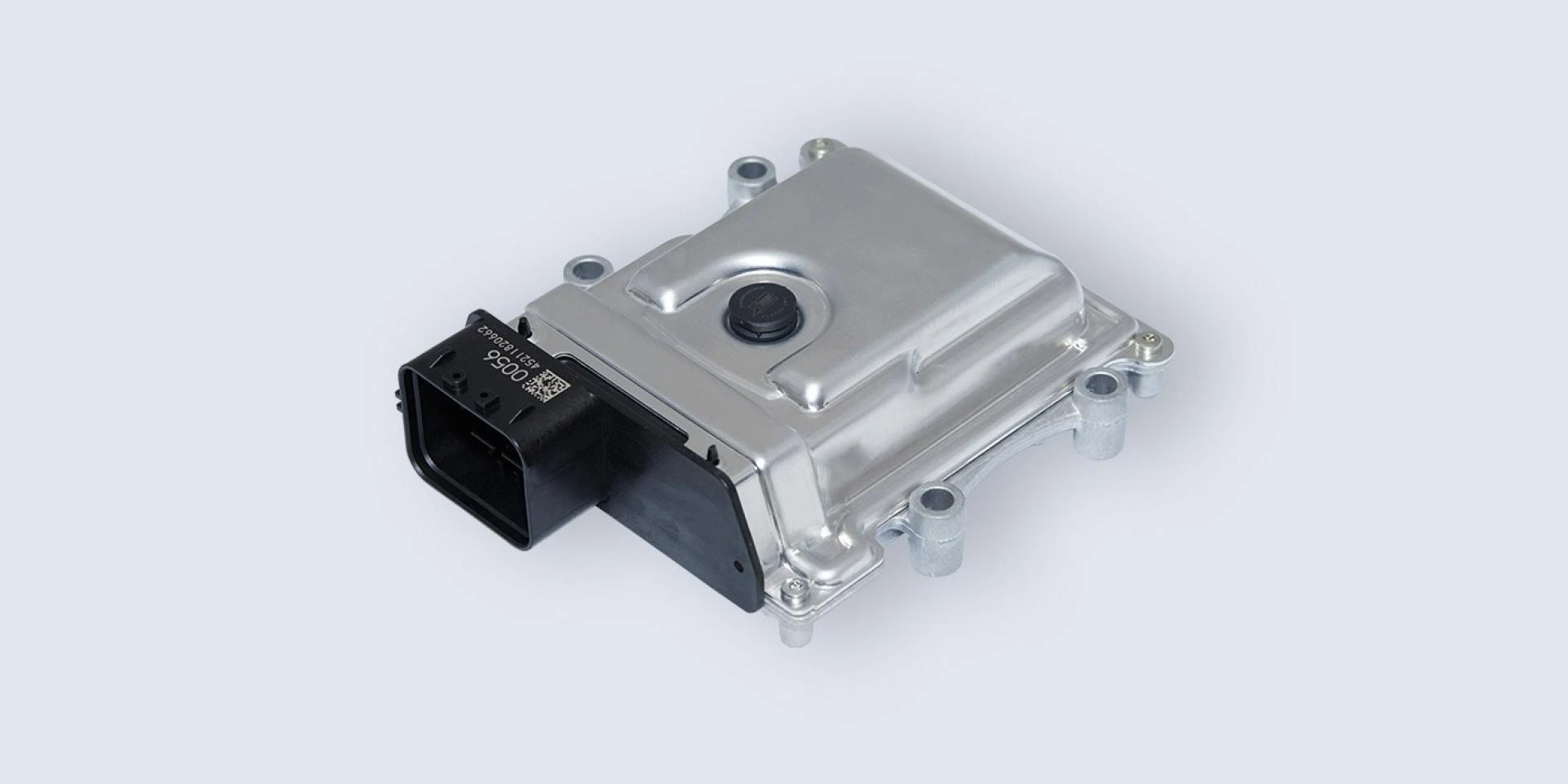
Modern cars rely on a Transmission Control Unit (TCU) to manage shifting and protect the drivetrain. This short guide explains what a TCU does, how it fails, repair and replacement options and where to buy quality modules in the United States.
TL;DR
- A TCU is the electronic brain for automatic transmissions. Symptoms of TCU trouble include rough shifting, limp mode, and error codes. You can repair or reprogram many TCUs, but replacement may cost more. Buy tested OEM modules from trusted suppliers like Automan Spare Parts for fast US shipping and a 30-day warranty.
What is a Transmission Control Unit (TCU)?
A TCU is the module that controls gear shifts in electronically managed transmissions.
A Transmission Control Unit in USA reads sensors and commands the transmission to change gears. It uses inputs such as vehicle speed and engine rpm. It improves fuel economy and shift quality.
Example: In many cars, the TCU coordinates with the engine control unit. Some vehicles combine functions into a single powertrain control module (PCM). For a technical overview, see the Wikipedia entry on TCUs.
TCU vs TCM vs PCM
Summary: The labels vary, but the roles overlap.
TCU and transmission control module (TCM) often mean the same thing. PCM refers to a combined module that covers engine and transmission control. Example: Older cars use separate TCMs; many newer cars use PCMs.
Tip: When ordering parts, match part numbers, not just names.
How a Transmission Control Unit Works and Key Sensors
A TCU processes sensor inputs and controls solenoids and actuators to shift gears.
The TCU reads data from sensors and uses algorithms to decide shift timing. Common outputs include shift solenoid activation and torque converter lockup commands.
Key sensors: Vehicle speed sensor, engine speed (rpm), throttle position, transmission fluid temperature, and gear position sensors. Proper sensor data is essential for smooth shifts.
TCU in CVT and automatic transmissions
TCUs tailor control logic to the transmission type.
In an automatic transmission, the TCU controls discrete gear changes. In a CVT, it continuously adjusts ratios through pulley or belt controls. Example: CVT TCUs manage fluid pressure and ratio commands to reduce jerks.
Symptoms and Diagnosis of TCU Problems
TCU issues show as drivability problems and fault codes.
Common symptoms include erratic shifts, delayed engagement, harsh downshifts, limp mode, and illuminated check engine or transmission lights. Example: A failing TCU can trigger codes P0700 or transmission-specific faults.
Statistic: Many diagnostic issues trace back to sensors or wiring, not the TCU itself. Always scan codes first.
Quick diagnostic steps and when to visit a shop
Summary: Start with basic checks before replacing a TCU.
Steps: Scan for codes, inspect wiring harness and connectors, check transmission fluid level and condition, and test sensor outputs. If the problem persists, consult a transmission specialist. Use reputable sources like AutoZone for DIY guidance.
Transmission Repair, Replacement, and Costs
Repair often costs less than full replacement, but module replacement can be economical in some cases.
Costs: TCU modules range from about $50 to $600 depending on make and condition. Full transmission rebuilds commonly cost several thousand dollars. Repairing solenoids or reprogramming a TCU usually costs less than swap-outs.
Finding reliable transmission repair shops
Choose shops with transmission certifications and clear warranties.
Examples: National chains like AAMCO Transmissions and Total Car Care provide transmission services and diagnostics. Ask about parts warranties and reprogramming capabilities. Search for local transmission repair shops with positive reviews and clear price estimates.
Transmission Types and Control Units (Automatic, CVT, ZF, BMW)
Different transmission families use distinct control strategies and modules.
ZF units power many European automatics and use sophisticated solenoid control. BMW often uses brand-specific modules and calibration. Example: A ZF 8-speed needs exact calibration for smooth shifts.
Automatic vs CVT
Automatic transmissions shift between fixed gears; CVTs change ratios continuously.
Automatic transmissions use clutch packs and planetary gear sets. CVT uses belts and pulleys for seamless ratio changes. Tip: CVTs need specific fluid and TCU tuning for longevity.
ZF and BMW transmission control modules
ZF and BMW modules require precise programming and matching.
Example: Replacing a BMW transmission control unit often requires dealer-level coding. ZF modules for many models are available in aftermarket but need correct vehicle programming.
Buying TCUs and Parts
Buy tested OEM modules from trusted sellers to avoid failures.
Where to buy: Look for suppliers that test units and offer returns. Automan Spare Parts lists many TCUs with fast US shipping and a 30-day warranty. Visit the Automan Spare Parts TCU collection for inventory and pricing.
Shipping, returns, and warranty tips
Confirm warranty, return window, and shipping speed before buying.
Best practice: Keep original part numbers, test the module on arrival, and use tracked shipping. Automan Spare Parts offers expedited US delivery in three days and a 30-day warranty on modules.
Summary
TCUs control shifting and protect the transmission. Start diagnostics with a code scan and basic checks. For parts, prioritize tested OEM modules and clear warranties. For U.S. buyers, suppliers like to provide fast shipping and 30-day coverage. Choose qualified shops for repair and reprogramming when needed.
FAQs
What does a transmission control unit do?
The TCU manages gear shifts by reading sensors and commanding solenoids.
How can I tell if my TCU is failing?
Watch for erratic shifts, limp mode, and transmission fault codes on a scanner.
How much does replacing a TCU cost?
Costs vary from about $50 for used modules to $600+ for new OEM units. Programming can add labor costs.
Can a transmission shop reprogram my TCU?
Yes. Many transmission shops and dealerships reprogram or code TCUs to match the vehicle.