Buildings often need new Commercial Insulation in Palm Beach Gardens, FL, when energy bills rise, indoor spaces feel uneven in temperature, or moisture stains appear on ceilings and walls. Other signs include mold odors, excess indoor humidity, and HVAC systems that run longer than normal.
In a hot and humid climate, insulation failure can lead to higher operating costs and long term structural damage. This article explains the most common warning signs, what they mean for local properties, and when to consider professional Commercial Insulation services.
The information is based on real world field experience from trained Commercial Insulation experts who assess roof decks, wall systems, and mechanical spaces across South Florida.
Rising Energy Bills Without Equipment Failure
Energy costs often reveal insulation problems before anything else does. When insulation weakens, cooled air escapes and warm humid air enters the building. HVAC systems must work harder to maintain set temperatures.
The U.S. Department of Energy reports that heating and cooling account for about 40 percent of energy use in commercial buildings. Even small insulation gaps can push that number higher.
Gradual Increases Over Time
A slow rise in monthly utility bills may suggest aging insulation in walls or ceilings.
If HVAC equipment has been serviced and still runs longer cycles, the building envelope may be losing efficiency.
Uneven Temperatures Across Units
Tenants may report that some offices feel warm while others remain cool.
This imbalance often points to missing or compressed insulation in certain sections of the building.
Visible Moisture And Mold Indicators
Palm Beach Gardens has high humidity for most of the year. Insulation that no longer blocks air movement allows moisture to collect inside cavities.
Over time, this can lead to mold growth and material decay.

Common Warning Signs
Property managers should look for:
- Brown or yellow water stains on ceiling tiles
- Peeling paint near exterior walls
- Damp insulation in mechanical rooms
- Musty odors in closed spaces
These signs often trace back to failing Commercial Insulation systems.
Bonus Tips
Inspect After Heavy Rain
Flat commercial roofs are common in South Florida. After strong storms, insulation should be checked for trapped moisture.
Use Moisture Meters
Simple tools can detect damp areas behind drywall before visible damage appears.
Insulation That Has Settled Or Shifted
Older insulation materials can sag or compress over time. When this happens, gaps form between framing members.
Air moves freely through these spaces, reducing thermal control.
Mechanical Room Clues
Maintenance teams may see loose batts near ductwork or exposed wall cavities.
This often means the insulation has shifted and needs replacement.
Performance Comparison
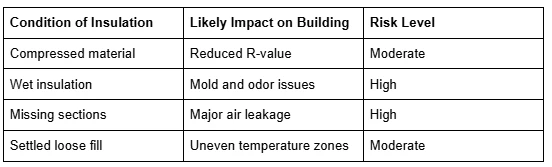
Replacing damaged areas with modern systems can restore comfort and lower cooling demand.
HVAC Systems Running Longer Than Normal
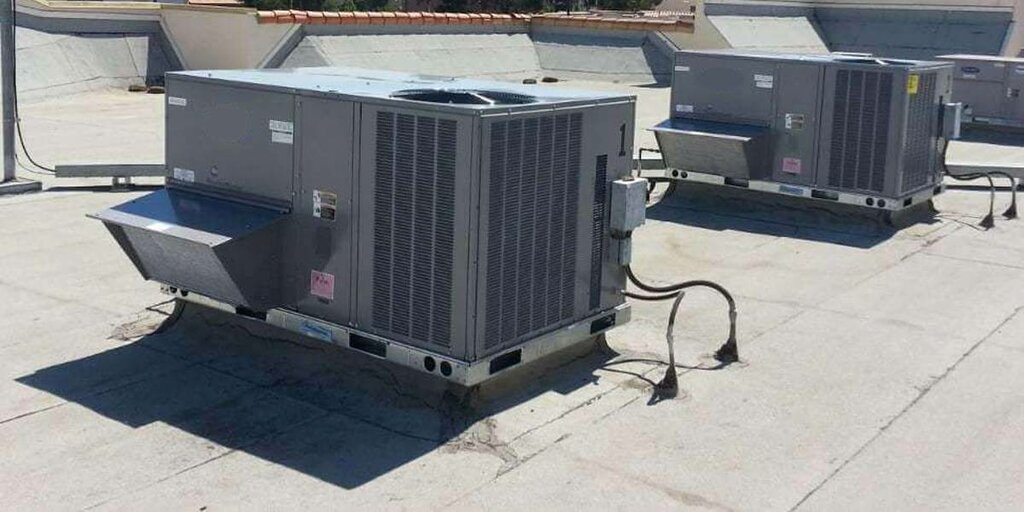
When insulation fails, HVAC systems compensate for the loss of conditioned air. This increases run time and equipment wear.
The American Society of Heating, Refrigerating and Air Conditioning Engineers notes that proper insulation reduces cooling loads and supports system efficiency.
Frequent service calls or rising repair costs may signal insulation issues rather than mechanical failure.
Increased Indoor Noise Levels
Commercial insulation also reduces sound transfer. If outside traffic noise becomes more noticeable, insulation may have thinned or shifted.
Office tenants may hear more noise between units. Retail spaces near busy roads may experience higher sound levels.
Upgrading through Commercial Insulation services can improve both thermal and acoustic control.
Regional Challenges In Palm Beach Gardens FL
Coastal humidity, salt air, and hurricane exposure create unique stress on building materials.
Closed cell spray foam often performs well in this region because it resists moisture and adds rigidity to roof and wall assemblies.
Energy data shows that buildings in hot and humid climates can reduce cooling costs by up to 20 percent after sealing air leaks and upgrading insulation.
Commercial Insulation experts in South Florida also evaluate roof design, drainage, and wind uplift resistance before recommending materials.
Bonus Tips
Check Wind Exposure Ratings
Florida building codes require systems that withstand strong storms. Insulation upgrades should meet these standards.
Plan Around Tenant Schedules
Large commercial upgrades may need phased installation to limit business disruption.
Things To Consider Before Making A Decision
Before replacing insulation, property owners should review several factors.
First, identify the type and age of existing material. Some systems allow partial repair, while others require full replacement.
Second, confirm there are no active roof leaks. New insulation should not trap existing moisture.
Third, review long term operating costs. While upgrades require investment, improved efficiency can lower energy use year after year.
Fourth, consult a qualified Commercial Insulation contractor who understands local codes and climate demands.
Choosing a reliable Commercial Insulation Company helps ensure proper installation and code compliance.
Protect Your Building Performance
Failing insulation leads to higher costs, uneven comfort, and potential moisture damage. Rising bills, visible stains, and overworked HVAC systems are strong warning signs.
In Palm Beach Gardens, insulation must handle heat, humidity, and storm exposure. Careful evaluation helps prevent larger structural problems.
Property owners should review energy trends, inspect for moisture, and consult experienced professionals before deciding on upgrades.
Speak With A Local Insulation Professional
Commercial property owners who notice warning signs can request a building assessment from experienced providers. All in Overhall offers Commercial Insulation services designed for South Florida conditions.
They evaluate roof systems, wall assemblies, and moisture risks before suggesting solutions. For more information, readers may contact All in Overhall at [email protected] or call (561) 406-3835 to discuss their building needs.
Questions People Ask About Commercial Insulation
How long does commercial insulation typically last?
Most systems last 15 to 30 years. Lifespan depends on climate, roof condition, and maintenance practices.
Can damaged insulation affect indoor air quality?
Yes. Wet or moldy insulation can increase indoor humidity and create musty odors that affect occupants.
Is full replacement always necessary?
Not always. Small damaged areas may be repaired. Widespread moisture or sagging often requires full replacement.
Does new insulation lower energy bills quickly?
Many buildings see noticeable reductions within the first year, especially in hot climates.
When is the best time to upgrade insulation in Florida?
Dry months reduce installation risks. Many property owners schedule work outside peak storm season.
Author: Richard Hall founded ALL IN OVERHALL, Your Local Spray Foam Insulation Company in Jupiter, FL, on January 3, 2022, to provide honest and reliable insulation services across South Florida with a focus on clear communication and careful workmanship.
Reviewer: Lucas Mitchell has 6 years of experience in spray foam insulation. He reviewed this article and refined the ideas to better support property owners seeking dependable insulation guidance.