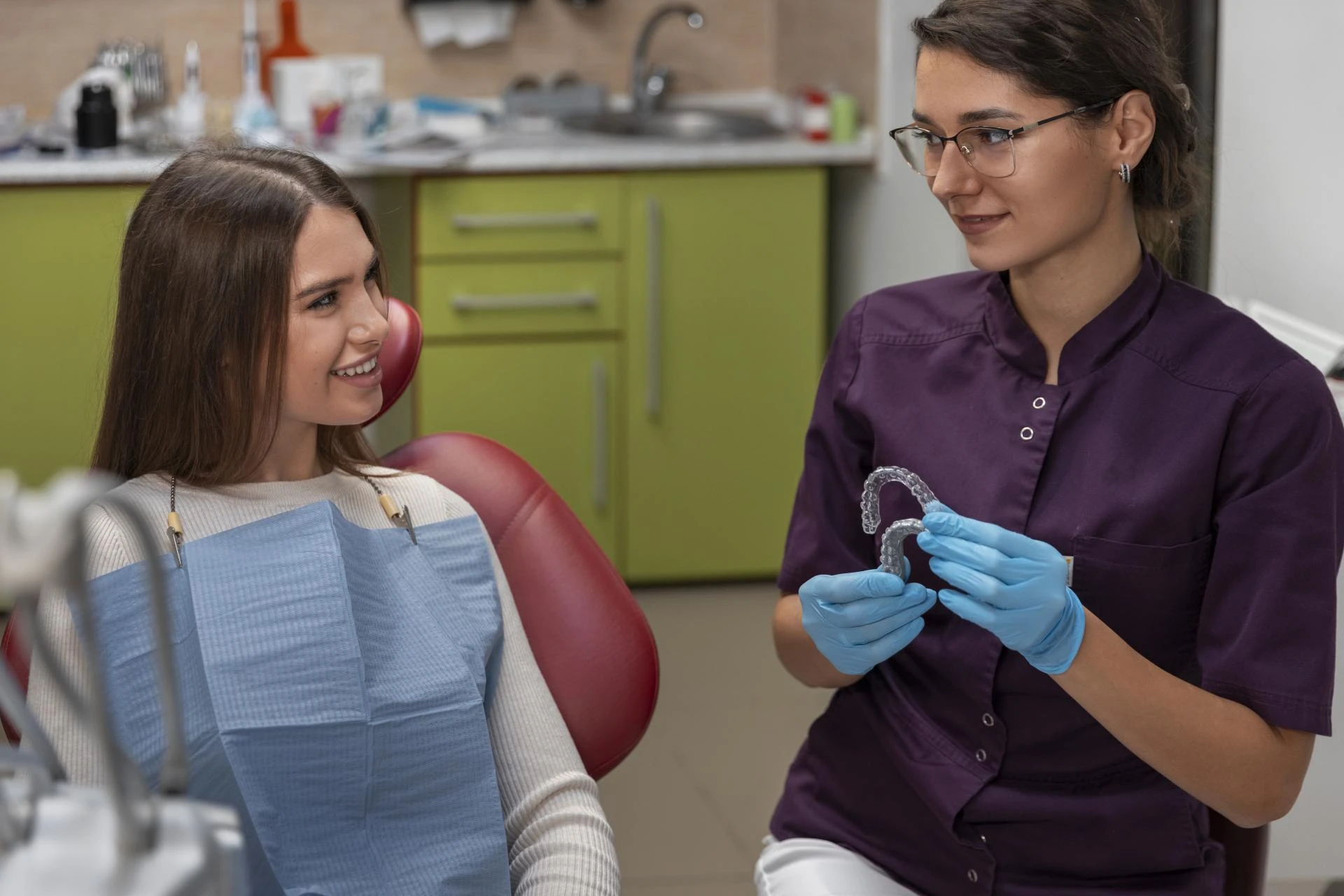
Oral cancer is a serious health condition that affects thousands of people each year. Early detection is critical, as timely intervention can significantly improve outcomes. One of the most effective ways to catch oral cancer in its earliest stages is through regular dental checkups. Searching for a “dentist near me” or “dentistry near me” isn’t just for routine cleanings—it could save your life. Understanding the signs of oral cancer and the importance of consistent dental visits is essential for maintaining both oral and overall health.
Understanding Oral Cancer
Oral cancer includes cancers of the lips, tongue, cheeks, gums, and the roof or floor of the mouth. Risk factors include tobacco use, heavy alcohol consumption, human papillomavirus (HPV) infection, and excessive sun exposure to the lips. While lifestyle choices can increase the risk, oral cancer can occur in anyone, making regular screenings critical.
Dentists are often the first healthcare professionals to detect early signs of oral cancer during routine exams. This is why people searching for a “dentist near me” or exploring “dentistry near me” options should prioritize practices that offer thorough oral cancer screenings as part of regular visits.
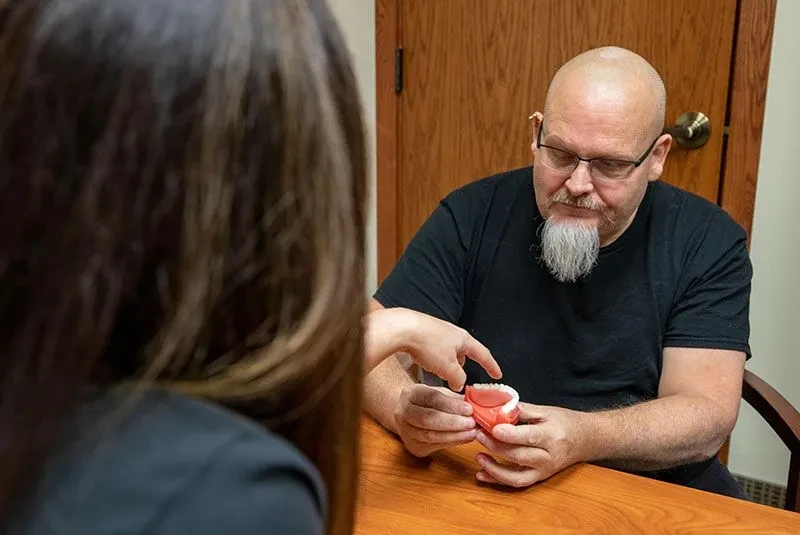
Common Signs of Oral Cancer
Recognizing the early warning signs of oral cancer can prompt timely consultation with a dental professional. Some key indicators include:
- Persistent Mouth Sores – Ulcers or sores that do not heal within two weeks can be an early sign of oral cancer.
- Red or White Patches – Unexplained patches of red or white tissue in the mouth should be examined immediately.
- Lumps or Thickening – Any unusual lumps, bumps, or thickened areas on the lips, gums, or inner cheeks require professional assessment.
- Difficulty Chewing or Swallowing – Pain or discomfort while eating or swallowing can signal deeper tissue issues.
- Numbness or Pain – Persistent numbness, tingling, or unexplained pain in the mouth or lips can be an early symptom.
- Changes in Voice or Jaw Movement – Difficulty moving the jaw or persistent changes in speech may indicate oral abnormalities.
It’s important to note that these symptoms do not always indicate cancer, but they should never be ignored. A qualified dentist can perform an oral examination and recommend further testing if necessary.
The Role of Dentists in Early Detection
Regular visits to a dentist near you are crucial because early-stage oral cancer often shows subtle signs that can be easily overlooked at home. Dentists are trained to detect abnormalities in the mouth, even before symptoms become noticeable. During a routine dental exam, your dentist will:
- Inspect your lips, tongue, cheeks, gums, and roof and floor of your mouth.
- Look for sores, discoloration, lumps, or tissue changes.
- Discuss your personal risk factors, including tobacco use, alcohol consumption, and family history.
By performing these screenings, your dentist acts as the first line of defense, increasing the chances of catching oral cancer early when it is most treatable.
Preventive Measures at Home
While professional screenings are essential, maintaining good oral hygiene and being vigilant about changes in your mouth can aid early detection. Some practical steps include:
- Daily Oral Hygiene – Brush at least twice daily, floss, and use an antiseptic mouthwash to reduce the risk of infection and inflammation.
- Regular Self-Exams – Check your lips, tongue, and mouth lining for unusual sores, bumps, or color changes.
- Limit Risk Factors – Avoid tobacco, reduce alcohol intake, and protect lips from excessive sun exposure.
- Maintain a Healthy Diet – A diet rich in fruits, vegetables, and antioxidants can support overall oral health.
Combining these habits with regular dental visits ensures a proactive approach to oral cancer prevention.
Why “Dentist Near Me” Matters
Finding a reliable dentist near you isn’t just about convenience—it’s about timely care. Local dental practices often offer personalized attention, including preventive screenings, cleanings, and early detection services. When searching for “dentistry near me,” consider:
- Whether the practice conducts oral cancer screenings during routine visits.
- The dentist’s experience and approach to patient education.
- Availability of follow-up care or referrals if abnormalities are found.
Having a trusted dental professional close by encourages consistency in appointments, which is key for early detection and overall oral health maintenance.
Conclusion
Oral cancer can develop silently and progress rapidly, making early detection vital. Regular visits to a dentist near you can catch early signs before they escalate, while your own vigilance at home can complement professional care. Recognizing symptoms such as persistent sores, unusual patches, or lumps, and seeking prompt dental consultation, can save lives.
Searching for “dentist near me” or “dentistry near me” is more than a convenience—it’s a proactive step toward protecting your oral health and overall well-being. By combining preventive care, self-awareness, and professional screenings, you can maintain a healthy mouth and reduce the risk of oral cancer.