Mobile entertainment habits are changing as audiences look for content that fits easily into their daily routines. Instead of setting aside an hour for a television show or movie, many viewers now enjoy watching short videos during breaks, commutes, or moments of free time. This shift has created new opportunities for short-form storytelling and mobile-first entertainment. For businesses exploring this market, choosing to create a short drama platform can be an opportunity to connect with audiences through engaging stories delivered in short, easy-to-watch episodes.
Micro drama apps are gaining attention by combining familiar storytelling with the convenience of mobile video. They offer compact episodes, compelling characters, and plot developments designed to keep viewers interested. But what makes these platforms appealing, and how can businesses develop one that meets modern viewing expectations?
What Are Micro Drama Apps?
Micro drama apps are mobile platforms that offer scripted stories through short video episodes. Each episode typically lasts only a few minutes, allowing viewers to follow a complete storyline in smaller viewing sessions.
These stories often use quick scene transitions, emotional moments, and cliffhangers to encourage viewers to continue watching.
Unlike traditional OTT platforms, which generally offer movies, television series, documentaries, and longer episodes, micro drama apps focus primarily on short, serialized storytelling. Their interfaces are often designed around vertical video and mobile viewing, making it easy for users to discover and watch episodes directly from their phones.
Why Are Micro Drama Apps Becoming Popular?
Several factors are contributing to the growing interest in this entertainment format.
1. Convenient Entertainment for Busy Schedules
People do not always have time to watch long episodes or full-length movies. Short dramas allow viewers to enjoy a story during a lunch break, while commuting, or before going to bed.
Because episodes are brief, users can watch a few installments without committing to a lengthy viewing session.
2. Quick and Engaging Storytelling
Micro dramas focus on delivering meaningful story developments in limited time. Writers often introduce characters, conflicts, and emotional moments quickly.
This direct storytelling approach helps maintain interest without lengthy introductions or unnecessary scenes.
3. Emotional Connections and Cliffhangers
Short episodes can still create strong emotional connections. Romance, family conflicts, unexpected revelations, and suspenseful moments give viewers reasons to become invested in characters.
Cliffhangers at the end of episodes also encourage audiences to return and discover what happens next.
4. Entertainment Designed for Mobile Devices
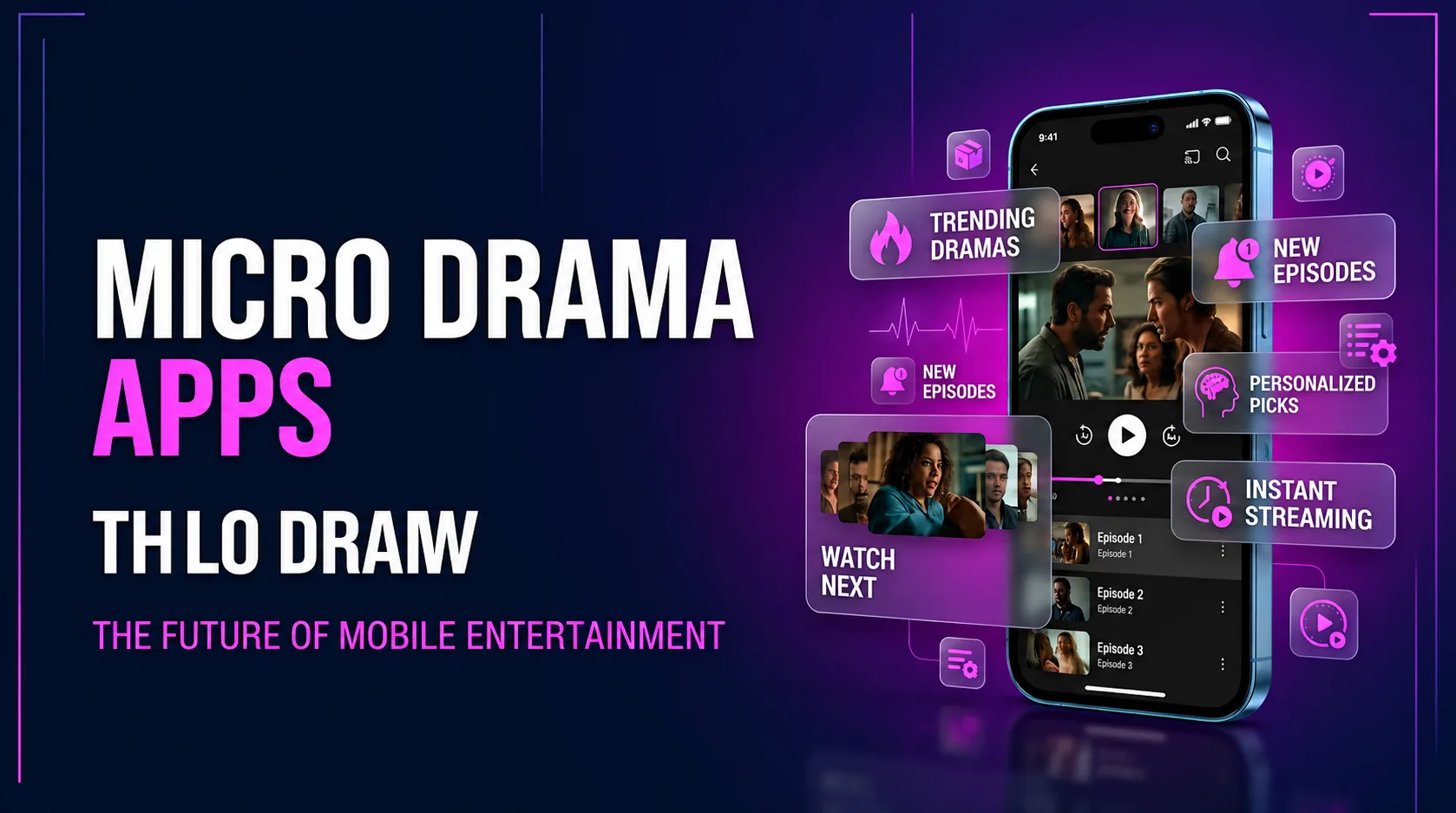
Micro drama apps are built around smartphone viewing habits. Many use vertical video formats, simple navigation, and personalized content feeds.
This mobile-first approach makes stories easy to access without requiring users to switch to a television or desktop device.
5. A Variety of Stories and Genres
Viewers have different entertainment preferences, and micro drama platforms can serve a wide range of interests. Popular genres include romance, thriller, mystery, comedy, fantasy, and family drama.
This variety gives audiences more opportunities to discover stories that match their tastes.
To learn more about this product/app development, click the link below and watch the video.
Popular Content Formats and Genres in Micro Drama Apps
Content variety is important for attracting different audience groups. Some popular formats include:
- Romance dramas: Stories centered on relationships, misunderstandings, personal choices, and emotional connections.
- Thrillers: Fast-moving plots involving danger, secrets, unexpected events, and suspense.
- Mystery dramas: Stories that gradually reveal hidden information through clues and surprising developments.
- Comedy: Short, entertaining stories built around everyday situations, relationships, and humorous characters.
- Family dramas: Narratives exploring family relationships, personal challenges, conflicts, and reconciliation.
- Fantasy and supernatural stories: Fictional worlds featuring unusual characters, magical elements, or extraordinary situations.
Platforms can also explore different episode structures, including vertical mini-series, multi-part stories, and interactive storytelling experiences.
Essential Features of a Successful Micro Drama App
A compelling content library is important, but the app experience also plays a major role in audience engagement. Businesses should consider the following features when planning a platform.
1. Personalized Content Feeds
A personalized home screen can recommend dramas based on viewing history, genre preferences, and user interactions. This helps viewers discover relevant content instead of searching through a large library.
2. Simple Navigation
Users should be able to browse categories, explore trending stories, search for titles, and access their favorite dramas without unnecessary steps.
A clean interface makes the platform easier to understand and use.
3. Watch History and Continue Watching
Watch history allows users to revisit previously viewed content. A continue-watching feature helps them resume a series from the last episode or viewing position.
These features are particularly useful when a story contains many short installments.
4. Episode Previews and Recommendations
Short previews can introduce characters, highlight interesting scenes, and give viewers an idea of the storyline before they begin watching.
Recommendations can also help users discover other dramas based on their interests.
5. Secure Payments and Subscription Management
If the platform offers paid episodes or subscriptions, it should provide a clear and secure payment experience. Users should be able to review pricing, manage subscriptions, and access transaction details.
6. Offline Viewing
Offline downloads can allow users to watch selected episodes without a continuous internet connection. This can be useful during travel or in areas with unreliable connectivity.
Businesses should consider content licensing and appropriate download restrictions when implementing this feature.
7. Ratings, Reviews, and Watchlists
Watchlists make it easier for users to save dramas for later. Ratings and reviews can help viewers discover popular content while giving businesses feedback about audience preferences.
How Do Micro Drama Apps Generate Revenue?
Monetization is an important part of building a sustainable streaming business. Micro drama platforms can use different revenue models depending on their audience, content strategy, and market positioning.
Freemium Access
Users can watch selected episodes for free, while additional content may require payment. This model allows audiences to explore the platform before deciding whether to spend money.
Premium Episode Unlocking
Some platforms offer free opening episodes and charge users to access later installments. Businesses can use individual purchases or episode bundles to provide flexible access.
Subscription Plans
Subscription models provide access to selected content or premium platform features for a recurring fee. Different plans may offer different viewing benefits, depending on the platform's business strategy.
Advertising Revenue
Advertisements can generate revenue from free viewers. Businesses may use suitable placements, such as short video ads or sponsored content, while ensuring that advertising does not disrupt the viewing experience excessively.
A combination of these models can help businesses serve viewers with different preferences and spending habits.
How Businesses Can Create a Short Drama Platform
Developing a micro drama app requires a clear understanding of both the entertainment market and the technology behind digital streaming.
Businesses should begin by identifying their target audience, preferred genres, content strategy, and monetization approach. For the US market, it is also useful to consider audience diversity, regional preferences, language options, and competition from established streaming and social video platforms.
The development process generally involves several important steps:
- Define the business model: Decide whether the platform will focus on subscriptions, premium episodes, advertising, or a combination of revenue streams.
- Plan the content library: Identify genres, episode lengths, production requirements, and content acquisition or licensing arrangements.
- Design the user experience: Create an interface that makes browsing, watching, and continuing episodes straightforward.
- Select the technology stack: Choose suitable tools for app development, video processing, content delivery, payments, and backend management.
- Develop and integrate essential features: Build user accounts, video streaming, recommendations, payment systems, and administrative tools.
- Test and launch the platform: Check playback quality, device compatibility, payment workflows, security, and overall performance before release.
Businesses should also plan for content moderation, copyright protection, privacy, and clear subscription terms. These considerations are important for building audience trust and maintaining a reliable service.
The Role of Modern Technology in Micro Drama App Development
Technology helps micro drama platforms deliver content efficiently and personalize the viewing experience. Several solutions are particularly useful.
Artificial Intelligence and Recommendations
AI-powered recommendation systems can analyze viewing patterns and content preferences to suggest relevant dramas. Over time, these systems can help users discover stories that match their interests.
AI can also support content categorization and selected operational workflows, although creative decisions and content quality still require human direction.
Cloud Hosting and Storage
Cloud infrastructure can support video storage, user accounts, content management, and growing platform traffic. It also gives businesses flexibility as their audience and content library expand.
Adaptive Video Streaming
Adaptive streaming adjusts video quality according to a user's available internet connection and device capabilities. This can help reduce buffering and provide a smoother viewing experience across different network conditions.
Analytics and Performance Monitoring
Analytics tools can help businesses understand which dramas attract viewers, how long audiences watch, where they stop watching, and which episodes encourage continued engagement.
These insights can guide content planning, recommendation improvements, and monetization decisions.
Content Delivery Networks
A content delivery network (CDN) distributes video content through servers located in different regions. This can reduce delivery delays and improve playback performance for audiences across the United States and other markets.
Future Opportunities in the Micro Drama Market
The micro drama format has room to evolve as mobile viewing habits and content expectations continue to change.
Some opportunities businesses may explore include:
- Localized storytelling: Producing dramas that reflect different cultures, languages, and audience interests.
- Original productions: Developing exclusive stories that give viewers a reason to choose a particular platform.
- Interactive experiences: Allowing viewers to influence selected story decisions or explore alternative endings.
- Improved personalization: Using audience insights to make content discovery more relevant.
- Flexible monetization: Offering different access options to accommodate varying viewing and spending preferences.
- AI-assisted production workflows: Using emerging tools to support selected stages of planning, editing, subtitling, and localization.
As competition develops, platforms will need to balance engaging content with fair pricing, reliable streaming, and a user-friendly experience.
Final Thoughts
Micro drama apps are creating new opportunities in mobile-first entertainment by making serialized storytelling easier to access and enjoy. Their short episodes, engaging narratives, and convenient viewing formats appeal to audiences who want entertainment that fits into their daily routines.
For businesses considering entering this market, success depends on more than developing a video streaming application. A strong content strategy, intuitive design, suitable monetization model, personalized recommendations, and reliable technology all contribute to a sustainable platform.
By understanding audience expectations and investing in quality storytelling and performance, businesses can create a short drama platform that offers a compelling mobile entertainment experience and adapts to the evolving digital streaming market.