Pregnancy is an exciting journey, but it also brings significant physical and hormonal changes that require proper care and monitoring. While most pregnancies progress normally, some may involve a higher risk of complications and need closer medical supervision.
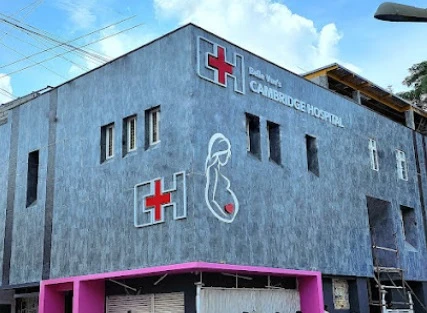
Recognizing the warning signs of a high-risk pregnancy and seeking timely medical care can help protect both the mother and baby. At Cambridge Hospital, specialist obstetric care focuses on identifying potential risks early and providing appropriate treatment and monitoring throughout pregnancy.
Understanding Emergency Signs During Pregnancy
A high-risk pregnancy refers to a pregnancy where there is an increased possibility of health complications affecting the mother, baby, or both during pregnancy, labor, or delivery. Being classified as high-risk does not necessarily mean that complications will occur, but it does mean that additional monitoring may be required.
Some pregnancy discomforts are common and harmless, while others can indicate a serious problem. Recognizing emergency pregnancy symptoms and getting medical attention promptly can help prevent complications and support a safer delivery.
What Is a High-Risk Pregnancy?
Understanding High-Risk Pregnancy
A high-risk pregnancy has a greater-than-average chance of complications involving the mother, fetus, or both. Such pregnancies may require regular checkups, specialized monitoring, diagnostic tests, and individualized medical care.
The key difference is:
- Normal pregnancy: Progresses without significant medical complications.
- High-risk pregnancy: Involves certain health conditions, complications, or risk factors that require closer medical supervision.
Who Is More Likely to Have a High-Risk Pregnancy?
Several factors can increase the likelihood of pregnancy complications, including:
- Maternal age: Pregnancy in women younger than 18 or older than 35
- Multiple pregnancies: Carrying twins, triplets, or more
- Existing health conditions: Diabetes, high blood pressure, thyroid disorders, and other chronic conditions
- Previous pregnancy complications: History of miscarriage, premature birth, or preeclampsia
Having any of these risk factors does not mean complications are certain, but it may require closer monitoring at a trusted pregnancy hospital in Bangalore.
Why Is Early Detection Important?
Identifying potential problems early can make pregnancy care safer and more effective. Regular monitoring can:
- Help protect the mother's health
- Support healthy fetal growth and development
- Reduce the risk of serious pregnancy complications
- Allow doctors to begin treatment or emergency care when needed
What Pregnancy Symptoms Should Never Be Ignored?
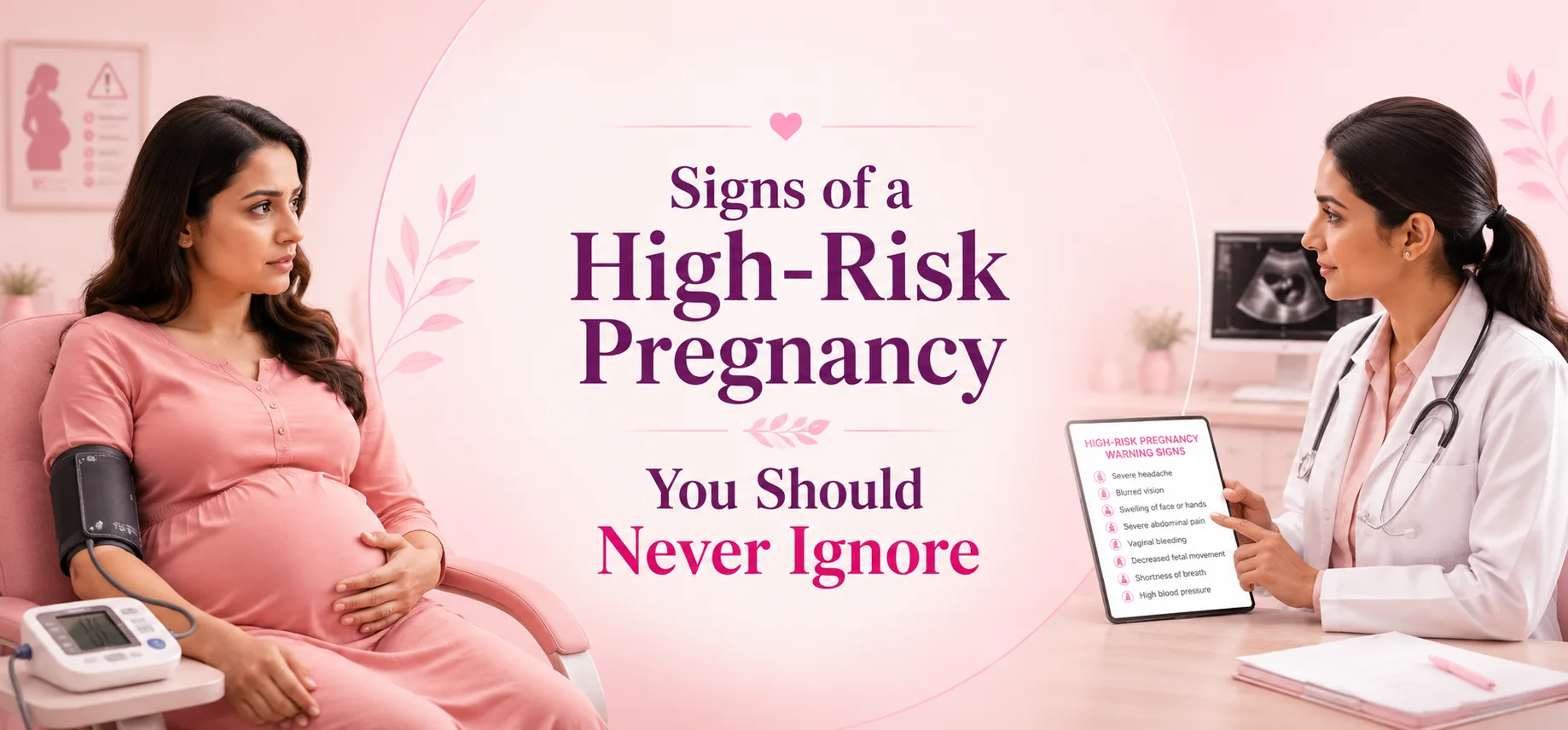
Certain symptoms may indicate an underlying complication and should receive immediate medical attention. These include:
- Heavy vaginal bleeding
- Severe or persistent headaches
- Blurred or unusual changes in vision
- Reduced or absent fetal movement
- Severe abdominal pain
- Sudden swelling of the face, hands, or feet
- High fever
- Fluid leaking before labor
These high-risk pregnancy symptoms should never be ignored, particularly when they are sudden, severe, or occur alongside other warning signs.
8 Signs of a High-Risk Pregnancy You Should Never Ignore
1. Heavy Vaginal Bleeding
Light spotting can occur during early pregnancy and may not always indicate a serious problem. However, heavy or persistent vaginal bleeding requires prompt medical evaluation.
Possible causes include:
- Placental abruption
- Miscarriage
- Placenta previa
When to seek care: Seek immediate medical attention if bleeding is heavy, continues, or occurs with abdominal pain or other concerning symptoms.
2. Severe Abdominal Pain or Cramping
Mild abdominal discomfort can be common during pregnancy, but severe, persistent, or unusual pain should not be overlooked.
It may be associated with:
- Ectopic pregnancy
- Placental complications
- Preterm labor
Immediate medical assessment can help identify the cause and prevent complications.
3. Persistent or Severe Headaches
Severe or persistent headaches during pregnancy may sometimes be associated with high blood pressure or preeclampsia.
Seek medical attention if a headache:
- Is severe or persistent
- Does not improve with rest
- Occurs with vision changes
- Is accompanied by swelling or other concerning symptoms
4. Blurred Vision or Other Vision Changes
Sudden blurred vision, flashing lights, or other unusual changes in eyesight should be evaluated promptly.
Vision changes can sometimes be associated with:
- Preeclampsia
- High blood pressure
- Other neurological complications
Early evaluation can help prevent a potentially serious condition from worsening.
5. Reduced or Absent Fetal Movement
Monitoring your baby's movements is an important part of pregnancy care. A noticeable reduction or absence of fetal movement may require urgent assessment.
Contact your doctor or maternity care provider immediately if:
- Your baby's usual movement pattern changes significantly
- You notice considerably fewer movements than usual
- You are concerned that the baby has stopped moving
Do not wait if you are worried about reduced fetal activity.
6. Sudden Swelling of the Face, Hands, or Feet
Some swelling, particularly in the feet and ankles, can be common during pregnancy. However, sudden or significant swelling of the face, hands, or feet may require medical evaluation.
It can sometimes be associated with:
- Preeclampsia
- High blood pressure
- Abnormal fluid retention
Swelling accompanied by headaches, vision changes, or other symptoms should be reported to a doctor promptly.
7. High Fever During Pregnancy
A high fever during pregnancy may be a sign of an infection that requires medical treatment.
If left untreated, infection may contribute to complications such as:
- Dehydration
- Fetal distress
- Preterm labor
Contact your healthcare provider if you develop a high fever or other signs of infection.
8. Fluid Leakage Before Labor
A sudden release or continuous leakage of clear, watery fluid before labor may indicate that the membranes have ruptured.
Potential concerns include:
- Increased risk of infection
- Preterm labor
- Complications affecting pregnancy progression
If you suspect your water has broken before labor begins, seek immediate medical evaluation.
Common Conditions That Can Lead to High-Risk Pregnancy
Several medical conditions can increase pregnancy risks and require closer monitoring.
Gestational Diabetes
Gestational diabetes occurs when blood sugar levels become elevated during pregnancy. Proper monitoring and management can help reduce potential risks for both mother and baby.
High Blood Pressure and Preeclampsia
High blood pressure during pregnancy can become serious, particularly when associated with preeclampsia. Without appropriate management, it can affect the mother's organs and the baby's health.
Placenta-Related Complications
Conditions such as placenta previa and placental abruption can affect the baby's oxygen and nutrient supply and require careful medical supervision.
Multiple Pregnancies
Pregnancies involving twins or more babies place additional demands on the mother's body and can increase the likelihood of complications such as premature delivery.
Thyroid and Other Chronic Health Conditions
Uncontrolled thyroid disorders and other chronic health conditions can influence pregnancy and fetal development. Regular monitoring and appropriate treatment can help manage these risks.
When Should You Seek Immediate Medical Attention?
Contact your healthcare provider or seek urgent medical care if you experience:
- Heavy vaginal bleeding
- Severe abdominal pain
- Sudden or severe swelling
- Vision disturbances
- High fever
- Reduced fetal movement
- Fluid leakage
- Difficulty breathing
These can be emergency pregnancy symptoms and should be assessed without delay.
How Do Regular Prenatal Checkups Help Prevent Serious Pregnancy Complications?
Regular prenatal care plays an important role in identifying and managing pregnancy-related risks.
Monitoring Maternal Health
Routine appointments allow doctors to monitor blood pressure, blood sugar, weight, and overall maternal health.
Tracking the Baby's Growth and Development
Ultrasounds and other appropriate tests help monitor fetal growth and development and identify potential concerns.
Detecting Risks Early
Regular examinations can help identify certain complications before they become more serious, allowing treatment to begin at the right time.
Personalized Care for High-Risk Pregnancies
Women with high-risk pregnancies may need a customized care plan based on their medical history, current condition, and specific risk factors.
Why Choose Cambridge Hospital for High-Risk Pregnancy Care?
Cambridge Hospital provides comprehensive maternity care focused on maternal and fetal well-being throughout pregnancy. Its services include:
- Experienced obstetricians and gynecologists
- Advanced diagnostic and monitoring facilities
- Comprehensive prenatal care
- Personalized management of high-risk pregnancies
- Emergency maternity support
- Patient-focused care with an emphasis on safety and comfort
With appropriate monitoring and timely medical intervention, Cambridge Hospital is committed to supporting mothers through a safe and well-managed pregnancy journey.
FAQ
What are the most common high-risk pregnancy symptoms?
Common warning signs include heavy vaginal bleeding, severe abdominal pain, persistent headaches, vision changes, reduced fetal movement, sudden swelling, fever, and fluid leakage.
Can a high-risk pregnancy result in a healthy delivery?
Yes. Many high-risk pregnancies can result in healthy deliveries when the mother receives appropriate monitoring, treatment, and timely medical care.
When should reduced fetal movement become a concern?
Any noticeable decrease or significant change in your baby's usual movement pattern should be reported to your doctor promptly. If you are concerned about absent movement, seek immediate medical advice.
Does every pregnant woman with swelling have preeclampsia?
No. Mild swelling can be normal during pregnancy. However, sudden or severe swelling, particularly when accompanied by headaches or vision changes, should be evaluated by a healthcare professional.
How often should women with high-risk pregnancies visit their doctor?
The frequency of appointments depends on the mother's health, pregnancy stage, and specific risk factors. Women with high-risk pregnancies may require more frequent monitoring than those with uncomplicated pregnancies.
Can high-risk pregnancy complications be prevented?
Not all complications can be prevented, but early diagnosis, regular prenatal checkups, appropriate treatment, and healthy lifestyle choices can help manage or reduce certain risks.
When should I visit a pregnancy hospital in Bangalore for emergency symptoms?
Seek immediate medical care if you experience heavy bleeding, severe pain, high fever, reduced fetal movement, fluid leakage, breathing difficulties, or other sudden and severe symptoms.
Conclusion
Recognizing high-risk pregnancy symptoms early can play an important role in protecting both mother and baby. While many physical changes during pregnancy are normal, sudden, severe, or unusual symptoms should never be ignored.
Regular prenatal checkups, early diagnosis, and timely medical intervention can help identify potential problems and support a safer pregnancy and delivery.
If you or someone you know experiences warning signs during pregnancy, seek medical attention without delay. The specialists at Cambridge Hospital provide comprehensive maternity care, including support for high-risk pregnancies.
When it comes to pregnancy, timely medical attention can make an important difference to the health and well-being of both mother and baby.