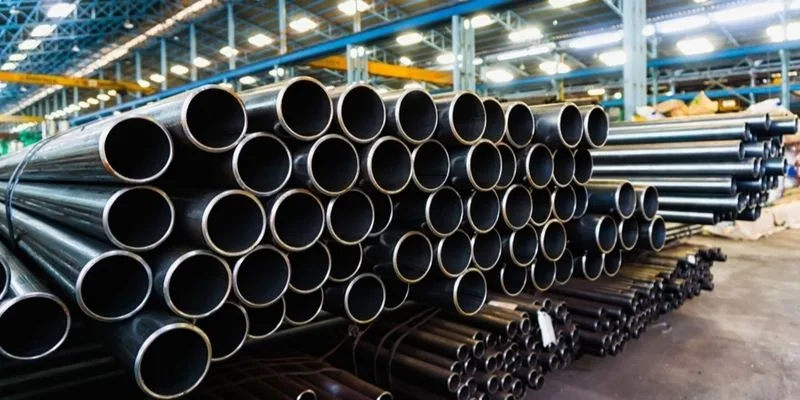
Shrikant Steel Center is a trusted Tubes Manufacturer in India, supplying industrial tube solutions for applications across oil and gas, petrochemical, chemical processing, power generation, pharmaceutical, food processing, engineering, and manufacturing industries. Tubes are important components in many industrial systems because they are used for transporting fluids and gases, transferring heat, handling pressure, and constructing process equipment. The selection of tubes depends on factors such as material grade, manufacturing method, dimensions, operating temperature, pressure, and corrosion conditions.
What Are Industrial Tubes?
Industrial tubes are hollow cylindrical products manufactured from metals and alloys for specific engineering and industrial applications. Depending on the manufacturing process, tubes can be seamless or welded, while their material composition can vary according to the service environment. They are commonly incorporated into heat exchangers, boilers, condensers, pressure equipment, pipelines, hydraulic systems, and process plants. The correct tube must be selected according to the physical and chemical conditions in which it will operate.
Types of Industrial Tubes
Different industries require different tube designs because operating conditions can vary significantly from one application to another. A professional Tubes Manufacturer may provide seamless tubes, welded tubes, U-tubes, and other specialized configurations. Each type has particular characteristics that make it suitable for specific applications. For example, seamless tubes are often considered for pressure-related applications, while welded tubes can be suitable for general industrial and fabrication requirements. U-tubes are commonly used in heat-transfer equipment.
Tubes Supplier in India
When sourcing industrial tubes, buyers should consider more than price and availability. A dependable Tubes Supplier in India should be able to provide tubes according to required material grades, dimensions, wall thicknesses, lengths, finishes, and technical specifications. Material certificates, inspection requirements, applicable standards, and testing requirements can also be important for critical projects. Proper specification at the purchasing stage helps ensure that the selected tubes are compatible with the equipment and intended operating conditions.
Sub-Product Range
SABIC Approved TubesSABIC Approved Tubes Manufacturer products are relevant to projects associated with demanding petrochemical and industrial environments where specified supplier and material requirements may apply. Tubes used in petrochemical facilities can encounter high temperatures, pressure, chemicals, and corrosive media, making material selection particularly important. Depending on the project, tubes may need to comply with particular specifications, inspection procedures, testing requirements, and approval conditions to ensure suitability for the intended service.
Stainless Steel U-TubesStainless Steel U-Tubes Manufacturers produce tubes formed into a U-shaped configuration, which are commonly used in shell-and-tube heat exchangers, condensers, and other heat-transfer equipment. The curved design allows tubes to accommodate thermal expansion and can simplify certain equipment arrangements. Stainless steel is frequently selected because of its corrosion resistance and mechanical properties. The appropriate grade, tube diameter, wall thickness, bend radius, and dimensional tolerances should be determined according to the equipment design and operating conditions.
Seamless TubesSeamless Tube Manufacturers produce tubes from a solid billet through processes that do not create a longitudinal welded joint. This construction is widely considered for applications involving pressure, elevated temperatures, and demanding mechanical conditions. Seamless tubes are used in industries such as oil and gas, petrochemical processing, power generation, and engineering. However, seamless construction alone does not determine suitability; factors including material grade, wall thickness, pressure rating, temperature, corrosion resistance, and applicable standards must also be evaluated.
Stainless Steel Welded TubesStainless Steel Welded Tubes Manufacturers produce tubes by forming stainless steel material into a tubular shape and joining the edges through a welding process. These tubes are used in numerous applications, including process piping, fabrication, heat-transfer equipment, architectural systems, food processing, and general engineering. Stainless steel can provide good resistance to corrosion and oxidation, while welded construction can offer an efficient solution for many applications. Product selection should consider grade, weld quality, dimensions, surface finish, and service environment.
How Are Tubes Selected for Industrial Applications?
Selecting the correct tube begins with understanding the application's operating conditions. Engineers and buyers generally evaluate the required material grade, tube dimensions, wall thickness, pressure, temperature, corrosion exposure, fluid characteristics, manufacturing method, and applicable standards. For heat-transfer equipment, thermal performance and tube configuration are particularly important, while pressure applications require careful consideration of mechanical strength and wall thickness. Proper selection helps prevent premature failure and supports safe and efficient equipment operation.
Common Applications of Industrial Tubes
Industrial tubes are used in a broad range of equipment and systems. Heat exchangers and condensers use tubes to facilitate heat transfer, while boilers use them for heating and steam-generation processes. Oil and gas facilities use tubes in various process and transportation systems, and chemical plants require tube products capable of handling potentially corrosive media. Tubes are also used in pharmaceutical, food-processing, power-generation, hydraulic, structural, and general engineering applications where controlled material properties and reliable dimensions are required.
Importance of Tube Quality
Tube quality can directly affect the reliability and service life of industrial equipment. Dimensional accuracy, material composition, surface condition, mechanical properties, weld integrity where applicable, and testing are important quality considerations. Depending on the application, products may undergo inspections or tests to verify their properties and conformity with specified requirements. Using tubes that match the required technical specifications can help reduce maintenance issues, improve operational reliability, and support consistent equipment performance.
Conclusion
Industrial tubes are available in various materials, manufacturing methods, configurations, and dimensions to meet the requirements of different applications. Understanding the differences between seamless, welded, U-shaped, and specialized tube products helps buyers make informed decisions. Factors such as material grade, pressure, temperature, corrosion resistance, dimensions, applicable standards, and end use should always be considered before selection. Choosing the right tube for the intended service conditions can contribute to safer operation, better equipment efficiency, longer service life, and dependable industrial performance.