
Have you ever lifted a grocery bag and felt that sharp pain shoot across your shoulder? Also, ever feel like your shoulders are carrying the weight of the world after a long day? Balancing work, household tasks, and daily commuting all together can be hectic, it’s no wonder shoulder pain is so frequent.
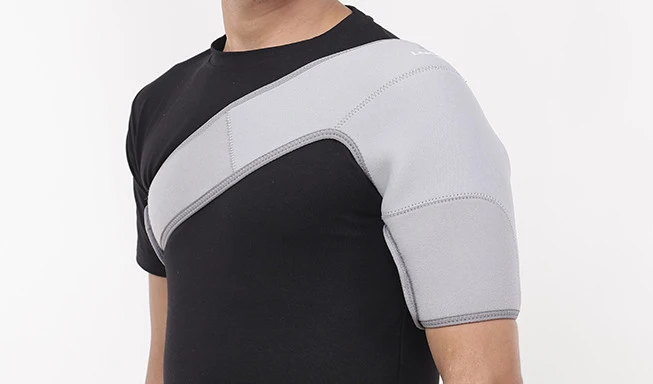
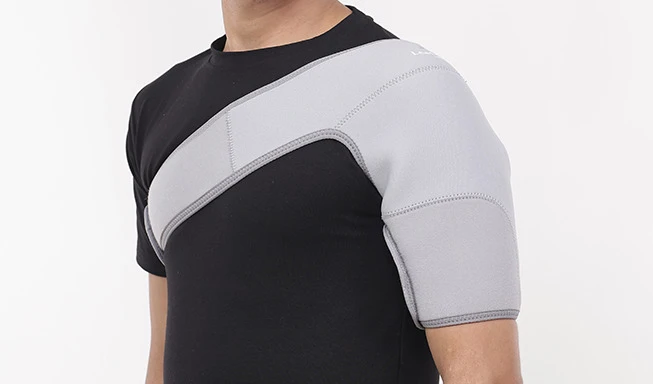
A shoulder support belt that includes braces, back support belts, or fracture belts, can provide crucial joint stabilization and relief. Whether you’re healing from an injury, dealing with pain, or working out, knowing how it works makes things easier.
What is a Shoulder Support Belt?
Think of it like a little helper for your shoulder. The shoulder support belt encircles the shoulder and upper back. Also, it provides stabilization to muscles and joints and minimizing strain.
It’s useful for:
- Shoulder injuries (like fractures or sprains)
- Post-surgery recovery
- Muscle fatigue from heavy lifting or gym sessions
- Chronic conditions like arthritis or rotator cuff injuries
Signs You Shouldn’t Ignore
While a shoulder support belt can help with everyday pain and minor injuries, some situations need immediate medical attention. Don’t overlook these warnings; a support belt by itself isn’t enough:
- Severe pain that doesn’t improve with rest
- Swelling, redness, or warmth around the shoulder
- Numbness, tingling, or weakness in your arm or hand
- Difficulty moving your shoulder, even with support
- Pain after a fall or accident
How Does It Help in Daily Life?
Shoulder pain isn’t only a gym thing; it can show up in daily life when you least expect it.
Commuting Struggles: That crowded bus or train with a heavy bag? If you don’t take care, your shoulder can get more tired. A shoulder belt helps it stay in the right place and feel better.
Household chores: Carrying groceries, laundry baskets, or even cooking can make pain worse. The belt acts like a gentle hug for your shoulder while you go about your tasks.
Office stress: Sitting at your desk for a longer period of time can make your shoulders hurt. A support belt for shoulder helps your shoulders sit right in posture and feel better during your recovery journey.
Gym sessions: If you go to gym daily, lift heavy weights or perform repetitive exercises on a regular basis, then it's a must-have. A gym shoulder belt keeps your shoulder stable and stops it from getting worn out.
Types of Shoulder Support Belts
Here’s a quick breakdown:
1. Basic Shoulder Brace
It’s light and comfy, and if your shoulder hurts a bit or you want to sit up straight, this is a great choice.
2. Shoulder Fracture Belt
It is generally recommended for major injuries like fractures or dislocations. Also, helps provide firm support and keeps your shoulder immobilized.
3. Advanced Support Belt
Designed for gym lovers or heavy lifters. Gives strong support but still allows controlled movement.
Choosing the right one depends on your condition, and yes, comfort matters a lot.