
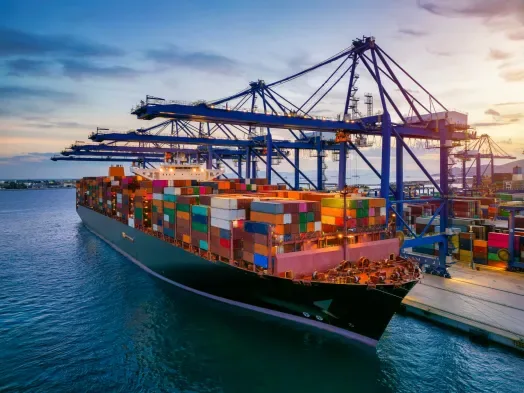
China is one of the world's largest manufacturing and export markets, while the UAE serves as a major commercial and logistics hub connecting Asia, the Middle East, Africa, and Europe. As trade between the two countries continues to grow, businesses and individuals increasingly look for reliable solutions for shipping China to UAE.
Whether you are importing commercial products from Guangzhou, Shenzhen, Shanghai, Ningbo, or Yiwu, or sending personal belongings to the UAE, international shipping involves more than simply booking cargo space. Customs documentation, packaging, freight selection, port operations, transit times, and destination clearance can all affect your shipment.
The good news is that with proper preparation and an experienced logistics partner, shipping from China to the UAE can be a much more organized and predictable process.
What Is the Best Way to Ship from China to the UAE?
The best shipping method depends on your cargo size, type, budget, and delivery timeline.
For most shipments, the main options are:
- Sea freight: Suitable for large, heavy, or commercial shipments.
- Air freight: Suitable for urgent and relatively lightweight cargo.
- LCL shipping: Useful when you do not need a full container.
- FCL shipping: Suitable for larger shipments requiring an entire container.
- Door-to-door shipping: Convenient for customers who want collection in China and delivery to a UAE address.
For businesses importing regular stock, sea freight is often a practical choice because larger quantities can be transported efficiently. For urgent goods, air freight may be more appropriate.
Why Is Shipping China to UAE Popular?
China is a major manufacturing center for products ranging from electronics and machinery to furniture, clothing, household products, automotive components, and industrial equipment.
The UAE's strategic location makes it an important destination and distribution point for goods entering the Middle East. Dubai, in particular, has extensive logistics infrastructure and international trade connections.
This creates opportunities for UAE businesses to source products from Chinese manufacturers while using Dubai as a regional distribution hub.
How Does Shipping from China to UAE Work?
A typical shipping China to UAE process can involve several stages:
1. Supplier and Cargo Verification
Before booking your shipment, confirm the supplier's details and make sure the products are correctly described.
Ask for:
- Product description
- Quantity
- Weight
- Dimensions
- Packaging details
- Commercial invoice
- Packing list
- Product certificates, if applicable
Accurate information helps the shipping company determine the appropriate freight method and estimate costs.
2. Choose Sea or Air Freight
Your shipping method should match your priorities.
Choose sea freight when:
- You are shipping large quantities.
- Your cargo is heavy or bulky.
- Delivery speed is not the highest priority.
- You want a more economical option for larger consignments.
Choose air freight when:
- Your shipment is urgent.
- Cargo volume is relatively small.
- You need faster transportation.
- The additional freight cost is justified by the delivery timeline.
3. Cargo Collection in China
Once the shipment is ready, the cargo can be collected from the supplier or delivered to a designated warehouse or consolidation facility.
For businesses working with multiple suppliers, cargo consolidation can potentially make logistics easier by bringing shipments together before international transportation.
4. Export Documentation and Customs
International cargo requires appropriate documentation. Depending on the shipment, this may include commercial invoices, packing lists, bills of lading or airway bills, and product-specific documentation.
Incorrect descriptions, quantities, values, or documentation can create unnecessary delays.
5. International Transportation
The cargo is transported from China to the UAE by sea or air.
For sea shipments, major Chinese logistics gateways can include ports around Shanghai, Ningbo, Shenzhen, Guangzhou, and other locations depending on the supplier and shipping route.
The UAE destination may involve Dubai's Jebel Ali Port or another suitable entry point depending on the shipment.
6. UAE Customs Clearance
After arrival, the shipment must go through the applicable UAE customs procedures.
Importers should ensure that their documents, product information, and declarations are accurate and that any applicable duties, taxes, permits, or approvals are addressed.
7. Final Delivery
Once clearance and required handling procedures are completed, the cargo can be transported to its final destination in Dubai or another UAE emirate.
Important Documents for Shipping China to UAE
Documentation requirements depend on the product, shipment type, origin, destination, and applicable regulations.
Common documents may include:
- Commercial invoice
- Packing list
- Bill of lading for sea freight
- Airway bill for air freight
- Import/export documentation
- Certificate of origin where required
- Product-specific certificates or permits
- Customs declarations
The exact documentation should be confirmed before shipping because some products may have additional requirements.
How to Avoid Customs Problems When Shipping from China to UAE
One of the most important parts of international shipping is providing accurate information.
Use Accurate Product Descriptions
Avoid vague descriptions such as "goods," "parts," or "items." The cargo description should clearly identify what is being shipped.
Check Product Restrictions
Some products may require additional approvals, certifications, or permits before they can be imported into the UAE.
This can be particularly important for products such as:
- Food products
- Cosmetics
- Medical equipment
- Certain electronics
- Chemicals
- Batteries
- Telecommunications equipment
- Controlled or regulated products
Always verify the applicable UAE import requirements for your specific product before dispatch.
Keep Commercial Documents Consistent
The information on invoices, packing lists, shipping documents, and customs declarations should be consistent.
Differences in quantity, weight, product description, or declared value can create questions during clearance.
Check Packaging Requirements
Cargo should be packed appropriately for the transportation method and product type. Fragile products, machinery, electronics, and other sensitive cargo may require specialized protection.
How Much Does Shipping China to UAE Cost?
There is no fixed price for shipping from China to the UAE.
The final cost can depend on:
Origin + destination + cargo type + weight/volume + shipping method + packaging + customs/handling + delivery requirements
For sea freight, the cost may be calculated according to container type, container size, or cargo volume. For LCL shipments, volume and weight can influence the freight calculation. Air freight is commonly influenced by actual and volumetric weight.
Additional charges may also apply depending on the shipment and service arrangement.
For an accurate quotation, provide:
- Pickup location in China
- Delivery location in the UAE
- Cargo description
- Number of packages
- Dimensions
- Gross weight
- Preferred shipping method
- Whether you require door-to-door delivery
How Long Does Shipping China to UAE Take?
Transit time varies according to the origin city, destination, shipping method, carrier schedule, customs clearance, port conditions, and final delivery requirements.
Sea freight generally takes longer than air freight, but it can be more suitable for large commercial shipments.
Instead of relying on a generic delivery promise, ask your shipping provider for an estimated transit time based on your exact route and cargo.
It is also wise to allow additional time for:
- Supplier preparation
- Cargo collection
- Export clearance
- Port handling
- Vessel schedules
- UAE customs clearance
- Final delivery
Building a reasonable buffer into your supply chain can help reduce the impact of unexpected delays.
How Chinese Holidays Can Affect Shipping
Businesses importing from China should pay attention to major holiday periods.
Chinese New Year is particularly important because factories, suppliers, warehouses, and logistics operations can experience significant changes in operating schedules.
The period around China's National Day holiday in October can also affect production and logistics planning.
If your business depends on regular inventory from China, avoid waiting until the last minute to arrange shipments before major holiday periods.
A better approach is to:
- Confirm supplier production schedules.
- Check shipping cut-off dates.
- Book freight early.
- Maintain sufficient inventory.
- Communicate with your logistics provider in advance.
Managing Port Congestion and Shipping Delays
Major Chinese ports handle enormous volumes of international cargo. Port congestion, weather conditions, vessel schedules, equipment availability, and peak-season demand can affect shipping timelines.
Businesses can reduce the impact by planning ahead.
Build Buffer Time
Do not base your entire inventory plan on the shortest possible transit time.
Book Early
During busy periods, early freight booking can provide more flexibility.
Keep Communication Open
Stay in contact with your supplier and shipping provider so you know when the cargo will be ready and whether the shipping schedule changes.
Consider Alternative Options
Depending on the shipment, an alternative port, route, consolidation method, or air freight option may be worth considering.
Door-to-Door Shipping China to UAE
For businesses and individuals who prefer a simpler logistics process, door-to-door shipping can coordinate multiple stages of transportation.
A typical door-to-door service may include:
Supplier pickup in China → Export handling → International freight → UAE customs process → Local transportation → Final delivery
This approach can be particularly useful for customers who do not have their own logistics team or experience with international cargo procedures.
However, customers should always confirm exactly what is included in the quotation. Customs duties, taxes, destination charges, special handling, and other costs may not automatically be included in every door-to-door service.
Shipping Commercial Goods from China to Dubai
Dubai is a major destination for businesses importing products from China.
Common commercial shipments can include:
- Electronics and accessories
- Furniture
- Clothing and textiles
- Machinery
- Industrial equipment
- Automotive parts
- Packaging materials
- Home products
- Construction-related products
- General merchandise
Before ordering large quantities, importers should check whether the product meets UAE regulations and whether any special approvals or certifications are required.
Why Choose Reef Shipping for China to UAE Cargo?
Choosing the right logistics provider can make international cargo management easier, particularly when you are dealing with suppliers, documentation, freight arrangements, customs procedures, and final delivery.
Reef Shipping provides international shipping and cargo solutions for customers moving goods from China to the UAE.
Depending on your requirements, shipping arrangements can be planned around:
- Sea freight
- Air freight
- LCL cargo
- FCL shipments
- Door-to-door cargo
- Commercial shipments
- Personal belongings
- Vehicle transportation
- UAE delivery
The goal is to help customers choose a shipping solution based on their actual cargo requirements rather than using a one-size-fits-all approach.
Tips for a Smooth China to UAE Shipping Process
Before your shipment leaves China, use this simple preparation guide:
- Confirm the supplier's cargo-ready date.
- Verify product descriptions and quantities.
- Measure and weigh the cargo accurately.
- Select sea or air freight based on urgency and volume.
- Check whether your products require UAE approvals.
- Prepare commercial and shipping documents.
- Confirm the shipping quotation and included charges.
- Book freight early during peak periods.
- Allow additional time for customs and port handling.
- Keep copies of all important shipment documents.
- Confirm the final delivery address in the UAE.
Frequently Asked Questions About Shipping China to UAE
What is the best way to ship goods from China to the UAE?
Sea freight is generally suitable for large or heavy commercial shipments, while air freight can be better for urgent or smaller cargo. LCL and FCL are options for sea shipments depending on cargo volume.
How much does it cost to ship from China to UAE?
The cost depends on cargo type, dimensions, weight, origin, destination, shipping method, packaging, customs requirements, and delivery services. A customized quotation is needed for an accurate price.
How long does shipping from China to UAE take?
Transit time varies by shipping method, Chinese origin, UAE destination, carrier schedule, customs clearance, and final delivery. Sea freight generally takes longer than air freight.
Can I ship from China directly to Dubai?
Yes. Cargo can be transported from various Chinese origins to Dubai using sea or air freight, subject to applicable shipping, customs, and import requirements.
Can Reef Shipping arrange door-to-door shipping from China to UAE?
Reef Shipping can assist customers with international cargo solutions, including door-to-door shipping arrangements depending on the cargo, origin, destination, and service requirements.
What documents are needed for China to UAE shipping?
Common documents include a commercial invoice, packing list, bill of lading or airway bill, and applicable customs or product-specific documentation. Requirements can vary according to the goods.
Can businesses import products from China to Dubai?
Yes. Businesses regularly import different types of commercial products from China to Dubai. Importers should verify UAE customs procedures, product regulations, permits, and documentation before shipping.
Final Thoughts
Successful shipping China to UAE depends on more than choosing a freight rate. Accurate documentation, suitable packaging, the right transportation method, realistic delivery planning, and awareness of customs requirements all contribute to a smoother shipment.
Whether you are importing commercial goods from Guangzhou, Shenzhen, Shanghai, Ningbo, Yiwu, or another Chinese location, planning the shipment before the cargo is ready can help prevent avoidable delays and unexpected costs.
If you are looking for shipping China to UAE, Reef Shipping can help you explore suitable sea freight, air freight, LCL, FCL, and door-to-door cargo solutions based on your shipment requirements.