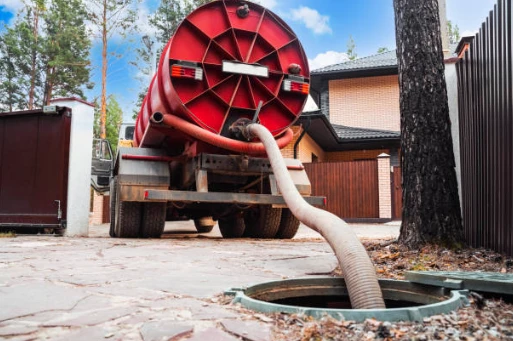
Understanding the true cost of Septic Tank Pumping is an essential responsibility for homeowners, property managers, and commercial facility operators who rely on on-site wastewater systems. While often overlooked until a problem arises, routine pumping plays a decisive role in safeguarding property value, ensuring environmental compliance, and preventing costly system failures. This article presents a comprehensive, professional examination of what influences pumping costs, why timely service matters, and how informed decisions can lead to long-term savings.
Understanding the Purpose of Septic Tank Pumping
A septic system functions as a self-contained wastewater treatment solution, separating solids from liquids and allowing effluent to disperse safely into the drain field. Over time, solids accumulate within the tank. Septic Tank Pumping is the process of removing this buildup to restore optimal capacity and prevent overflow or structural stress.
Without periodic pumping, excess solids migrate into the drain field, clogging soil pores and compromising the entire system. The financial consequences of neglect often far exceed the modest, predictable cost of routine maintenance.
Average Cost Expectations and Industry Benchmarks
The cost of septic tank pumping can vary significantly depending on multiple variables. On average, residential pumping services generally fall within a moderate price range, making them one of the most cost-effective preventative maintenance tasks associated with property ownership.
While pricing structures differ by region and provider, most costs reflect labor, equipment, disposal fees, and travel considerations. Commercial or multi-unit systems, which often involve larger tanks and higher waste volumes, typically incur higher service fees due to increased complexity and time requirements.
Professional providers such as Townes Septic Services often conduct preliminary assessments to ensure accurate pricing and transparency before service execution.
Key Factors That Influence Pumping Costs
Several interrelated elements directly impact the final cost of a pumping service. Understanding these factors allows property owners to anticipate expenses and avoid unexpected charges.
Tank Size and Capacity
Larger tanks require more time and effort to pump, naturally increasing service costs. Residential tanks are typically smaller than those used for commercial or industrial applications, resulting in lower average fees.
Frequency of Service
Regular pumping reduces sludge accumulation, making each service more efficient and less labor-intensive. Systems neglected for extended periods may require additional time, specialized equipment, or even partial excavation.
Accessibility of the Tank
Easily accessible tanks with visible lids reduce labor time. Tanks buried deeply or obstructed by landscaping, concrete, or structural features can increase service duration and cost.
Geographic Location
Local regulations, disposal fees, fuel costs, and regional labor rates all influence pricing. Providers operating in areas with strict environmental standards may incur higher compliance-related expenses.
The Financial Risks of Delayed Pumping
Postponing septic maintenance often leads to compounding expenses. When solids overwhelm the tank’s capacity, the system may experience backups, foul odors, slow drainage, or surface pooling. These symptoms frequently indicate damage extending beyond the tank itself.
Drain field failure, one of the most severe outcomes of neglect, can require extensive excavation and replacement at a cost exponentially higher than routine pumping. Proactive Septic Tank Pumping is therefore not merely a maintenance task but a strategic investment in asset protection.
Environmental and Regulatory Considerations
Modern wastewater management is governed by environmental stewardship and regulatory oversight. Improperly maintained septic systems can contaminate groundwater, nearby waterways, and surrounding soil.
Professional providers adhere to strict disposal and treatment protocols, ensuring waste is handled responsibly. Companies like Townes Septic Services operate with an understanding of local regulations, helping property owners remain compliant while minimizing environmental impact.
Residential vs. Commercial Pumping Costs
Residential systems generally require pumping every three to five years, depending on household size and usage patterns. Commercial properties, due to higher wastewater volumes, may require more frequent service.
Restaurants, hospitality venues, and multi-tenant buildings often operate under customized maintenance schedules. While commercial pumping costs are higher, they reflect the scale of service and the critical importance of uninterrupted system performance.
Cost-Saving Strategies for Property Owners
While septic maintenance is unavoidable, there are strategic ways to manage and reduce long-term costs.
Adhering to a Routine Schedule
Regular pumping prevents excessive sludge buildup, reducing labor time and avoiding emergency service premiums.
Water Usage Management
Conserving water limits the volume entering the system, slowing sludge accumulation and extending intervals between services.
Avoiding Non-Biodegradable Waste
Flushing inappropriate materials increases solid buildup and can lead to blockages, raising maintenance frequency and costs.
Partnering with a Reputable Provider
Establishing a long-term relationship with a trusted service company often results in better scheduling, consistent pricing, and proactive system monitoring.
The Role of Professional Expertise
Septic Tank Pumping is not a task suited for improvisation or unqualified handling. Professional technicians bring specialized equipment, regulatory knowledge, and diagnostic expertise that ensure the system is not only emptied but also evaluated for potential issues.
Reputable providers often inspect baffles, tank integrity, and inlet and outlet components during service. This added layer of oversight can identify minor issues before they escalate into major repairs.
Townes Septic Services exemplifies this comprehensive approach, combining technical proficiency with a client-focused service model designed to deliver both reliability and value.
Long-Term Value Beyond Immediate Costs
When evaluating septic maintenance expenses, it is essential to consider the broader financial picture. Routine pumping preserves system longevity, supports property resale value, and minimizes the risk of emergency interventions.
Prospective buyers and commercial stakeholders increasingly scrutinize infrastructure condition. A documented history of professional septic maintenance can enhance confidence and support favorable property valuations.
Choosing the Right Service Provider
Selecting a septic service company should extend beyond price comparison. Experience, licensing, disposal practices, and customer reputation all play decisive roles in service quality.
A provider that prioritizes transparency, preventative guidance, and regulatory compliance delivers measurable value beyond the invoice. Townes Septic Services has built its reputation on these principles, offering clients confidence that their systems are managed with precision and care.
Conclusion
The cost of Septic Tank Pumping is a predictable, manageable expense when approached with foresight and professional support. Influenced by tank size, service frequency, accessibility, and regional factors, pumping costs remain modest compared to the financial and environmental consequences of neglect.
Through routine maintenance, informed decision-making, and collaboration with experienced providers such as Townes Septic Services, property owners can protect their investments, ensure regulatory compliance, and maintain uninterrupted system performance for years to come. In the realm of wastewater management, proactive care is not merely economical—it is indispensable.