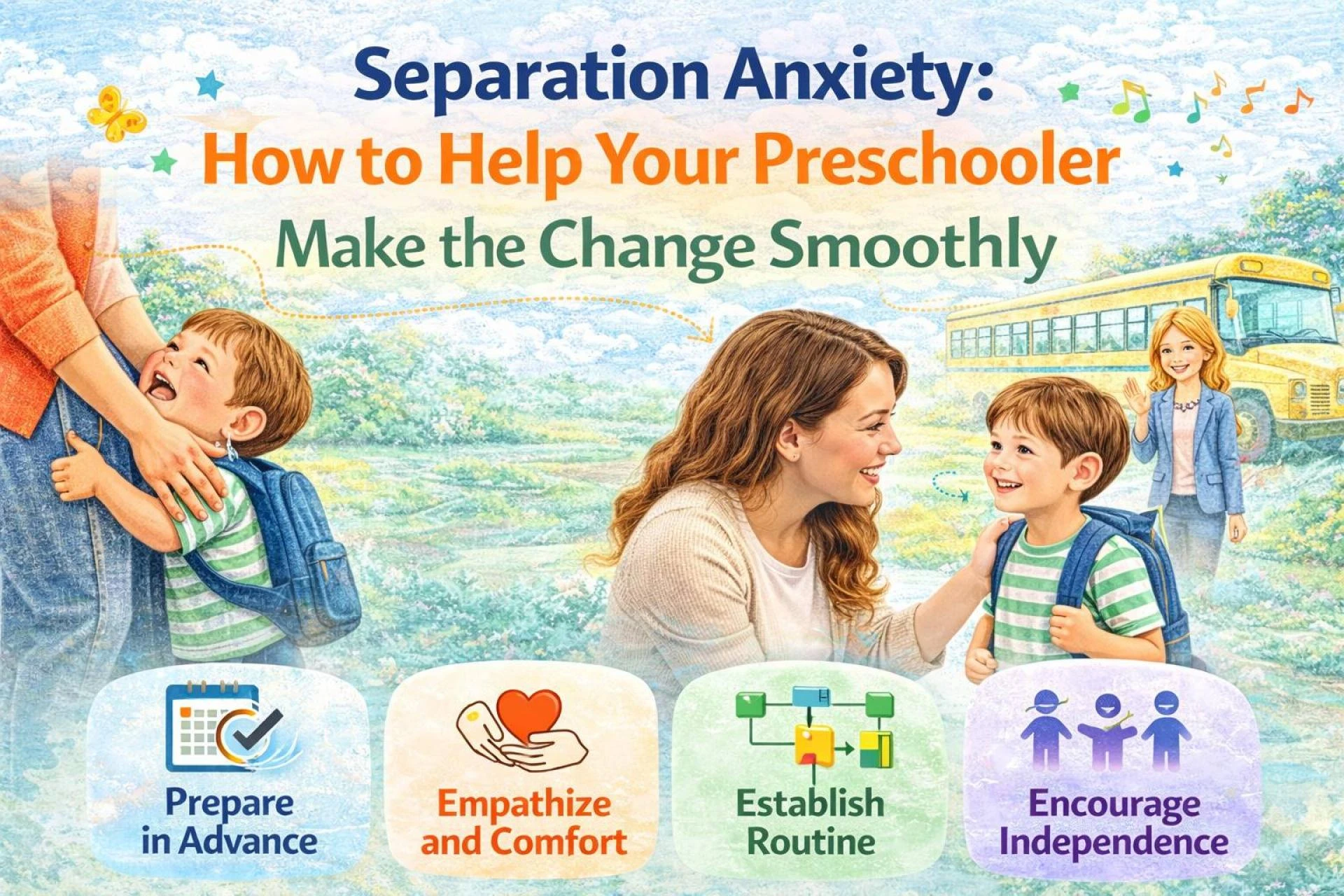
Going to preschool is a big deal for a child. This means they will start learning in a more organized way, be more self-sufficient, and make new friends. But for many families, this change also brings a common problem: fear of being apart. Kids often cry, cling, or don't want to go to school in the first few days. Parents may find this very hard to deal with, but it's important to remember that separation anxiety is a normal and temporary part of growing up. In case you are looking for the best preschool in Englewood, choose Ability School for your child. It is one of the best preschool, middle, elementary and lower schools in Englewood.
How to Understand Separation Anxiety in Young Kids
Separation anxiety is when a child feels bad after being away from their main caregiver. It usually happens between the ages of one and five, and it often gets worse when big changes happen in life, like starting preschool. Kids this age are still learning how to feel safe and may not understand that their parents will be back in a few hours. This uncertainty can make people feel scared and uncomfortable, which they show by crying, throwing tantrums, or withdrawing. Instead of seeing this behavior as rebellious, it should be seen as a normal reaction based on attachment and emotional growth.
Why Starting Preschool Can Be Stressful?
Preschool introduces a lot of new things to a young child all at once. They are entering a new place, meeting new people, and getting used to a set schedule—all without their parents right there with them. This sudden change can be too much to handle, especially for kids who are used to being at home. Also, their limited ability to express complicated feelings makes it harder for them to say how they feel. So, their anxiety often shows up in their bodies or in how they act. If parents can see things this way, they can be more understanding and patient with the situation.
Why It's Important to Have a Regular Goodbye Routine
A goodbye routine that is calm and predictable can help your child feel more stable. Short, simple, and consistent goodbyes help lower anxiety over time. A warm hug, a reassuring smile, and a confident "I'll see you soon" can help you trust someone more. Also, it's important not to sneak away when your child isn't looking, as this can make them more confused and insecure. Kids need to know that you will always come back, even if you leave. Doing the same thing over and over again strengthens their belief and makes them more emotionally strong.
How to Build Confidence by Being Independent and Following a Routine
Routine is good for kids because it gives them a sense of control and predictability. Having a set morning routine, like waking up at the same time, getting ready calmly, and getting to school on time every day, can help make the transition easier. Also, letting kids do small things on their own at home, like getting dressed or putting their things away, helps them feel more confident. Kids are better able to handle being apart from their parents when they feel like they can do their daily tasks.
Giving Comfort and Emotional Support
A small reminder of home can make a big difference sometimes. Letting your child carry a comfort object, like a favorite toy or a family picture, can help them feel better during the day. Your emotional support is just as important. Kids are very aware of how their parents feel, so it's important to stay calm and positive, even when you're worried. This will help them feel safe. Over time, telling them how proud you are of their small successes, like walking into the classroom without crying, can also help them feel better about themselves.
When to be patient, trust, and ask for help
It takes time for kids to get used to preschool, and each child does so at their own pace. Some people may feel at home in a few days, while others may take weeks. During this time, it's important to be patient and stick to your plans. It's also important to have faith in the teachers, who have helped kids deal with separation anxiety before. Most of the time, kids calm down quickly after their parents leave and start doing things. If the anxiety lasts for a long time or makes it hard for your child to do everyday things, though, it might be a good idea to talk to a teacher or child development expert.
Key Takeaways
Even though it can be hard, separation anxiety is a normal part of growing up. It shows how close a parent and child are and helps the child learn to do things on their own. With understanding, preparation, and constant support, this stage will slowly come to an end. Over time, those sad goodbyes will turn into happy smiles and excitement for the day ahead. Your child won't feel alone at preschool anymore. It will be a place where they learn, grow, and do well.