Retail businesses use different loss-prevention technologies to help protect merchandise and improve inventory control. Among these solutions, electronic article surveillance systems can use discreet labels that interact with detection equipment installed at store exits. Sensor Labels are one type of retail security component designed for this purpose. Understanding their technology, compatibility, placement, and different formats can help retailers develop a more organized approach to merchandise protection.
What Are Sensor Labels?
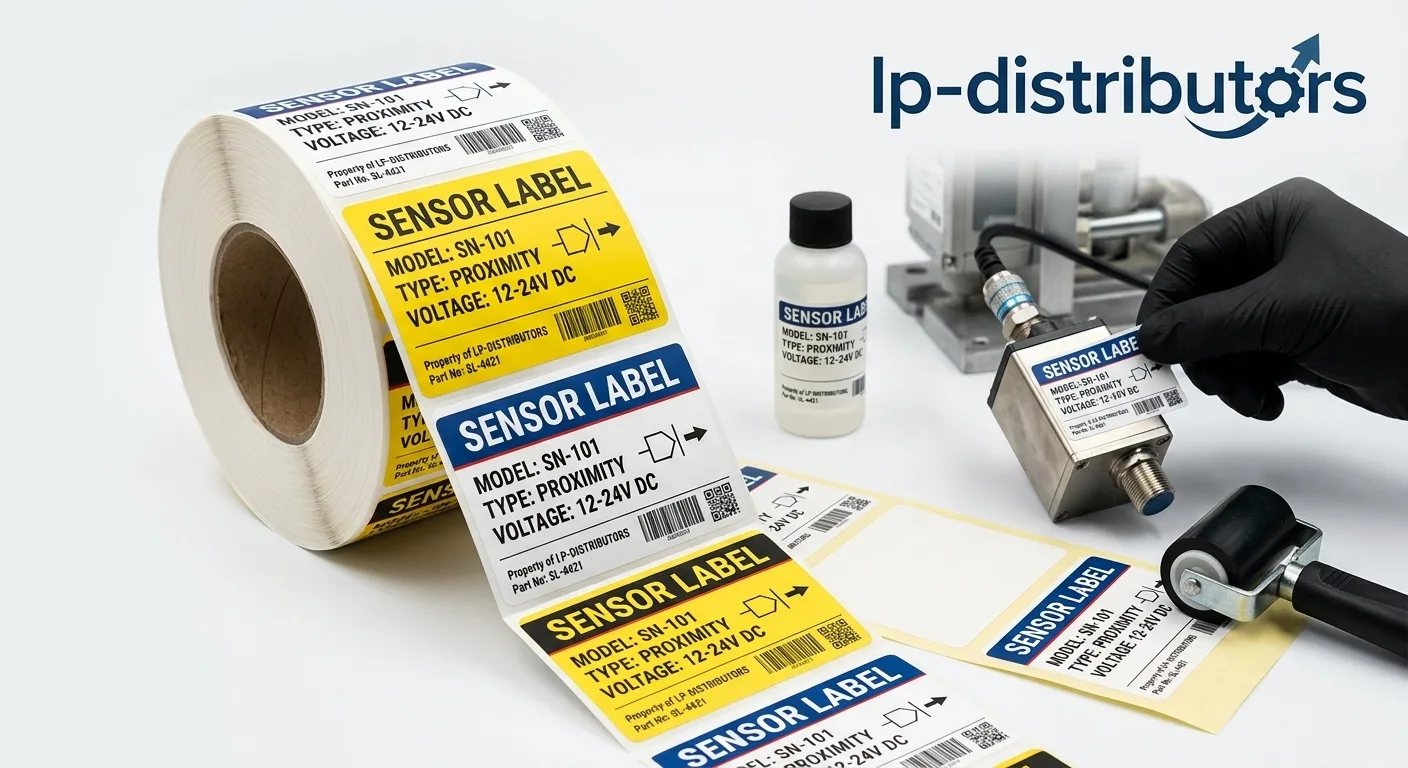
Sensor Labels are security labels used as part of electronic article surveillance (EAS) systems. They are generally attached to merchandise or packaging and are designed to interact with compatible detection systems.
Unlike larger reusable security tags, labels can provide a relatively low-profile option for products where a conventional hard tag may not be practical. Their size, shape, frequency, and detection characteristics can vary according to the particular EAS technology.
How Do Security Labels Work?
EAS labels are designed to interact with detection equipment positioned near a store's exit. When an active security label passes through a compatible detection zone, the system may generate an alert.
The exact operating principle depends on the technology used. Common retail EAS technologies include radio-frequency (RF) and acousto-magnetic (AM) systems. Labels must be compatible with the detection system for the security setup to function correctly.
RF and AM Security Labels
Radio-Frequency Labels
RF labels operate using radio-frequency technology. Different RF systems may use specific frequencies, with 8.2 MHz being a common frequency in retail EAS applications.
These labels can be available in different shapes and sizes depending on the merchandise and application requirements.
Acousto-Magnetic Labels
AM labels are designed for acousto-magnetic detection systems. A commonly used AM frequency is 58 kHz.
These labels can be useful for merchandise where a discreet security component is preferred. The specific label should match the detection system installed at the retail location.
Choosing the Right Label Format
The physical format of a security label can be important when protecting different types of products. Retailers may need to consider the item's size, packaging material, available attachment area, and the visibility of the label.
Small products may require compact labels, while larger packaging can accommodate larger formats. Some labels are designed to be placed discreetly on packaging, helping maintain the product's appearance while providing an additional layer of security.
Compatibility With Retail Security Systems
Compatibility is one of the most important considerations when selecting Sensor Labels. A label designed for an RF system should not automatically be assumed to work with an AM detection system.
Retailers should check the frequency and technology of both the label and the detection equipment before purchasing security labels. LP Distributors lists both AM and RF loss-prevention products, including security labels designed for different retail environments.
Applications Across Retail Environments
Security labels can be used across different categories of merchandise.
Apparel
Clothing retailers can use discreet labels where conventional hard tags may interfere with the presentation of garments.
Electronics
Smaller electronic products and boxed accessories may require security solutions that can be incorporated into their packaging.
General Merchandise
Retail stores selling household products, personal items, and other packaged goods can use compatible EAS labels as part of their security setup.
High-Traffic Retail Stores
Stores with large amounts of merchandise and significant customer traffic may integrate labels with broader EAS systems to support inventory protection.
LP Distributors and Retail Security Labels
LP-Distributors provides retail loss-prevention products, including security labels, tags, deactivators, detachers, lanyards, and other EAS-related equipment. Its listed inventory includes RF labels as well as AM-compatible security labels.
When evaluating products, retailers can review the frequency, dimensions, packaging quantity, and compatibility of each label to determine whether it fits their existing security infrastructure.
Placement and Store Operations
Correct placement can affect how a security label performs in a retail environment. Labels should be positioned according to the product's packaging and the manufacturer's instructions.
Retail employees may also need procedures for handling protected merchandise, especially when products are purchased and security components need to be deactivated or removed at checkout. Clear procedures can help prevent unnecessary alarms and maintain consistent store operations.
Factors to Consider Before Purchasing
Retailers can evaluate several factors when selecting security labels:
- EAS technology and frequency
- Label dimensions and shape
- Adhesive or attachment method
- Compatibility with existing detection equipment
- Quantity per box or package
- Merchandise type
- Placement requirements
- Deactivation requirements
Considering these factors can help businesses select labels that correspond with their existing loss-prevention infrastructure.
Conclusion
Sensor Labels are an important component of many electronic article surveillance systems used in retail environments. Their discreet format makes them suitable for different types of merchandise and packaging, while RF and AM options provide compatibility with different EAS technologies.
For retailers, the most important considerations include technology compatibility, frequency, label format, placement, and operational requirements. By understanding these factors, businesses can better integrate security labels into their broader loss-prevention and inventory-control processes.