
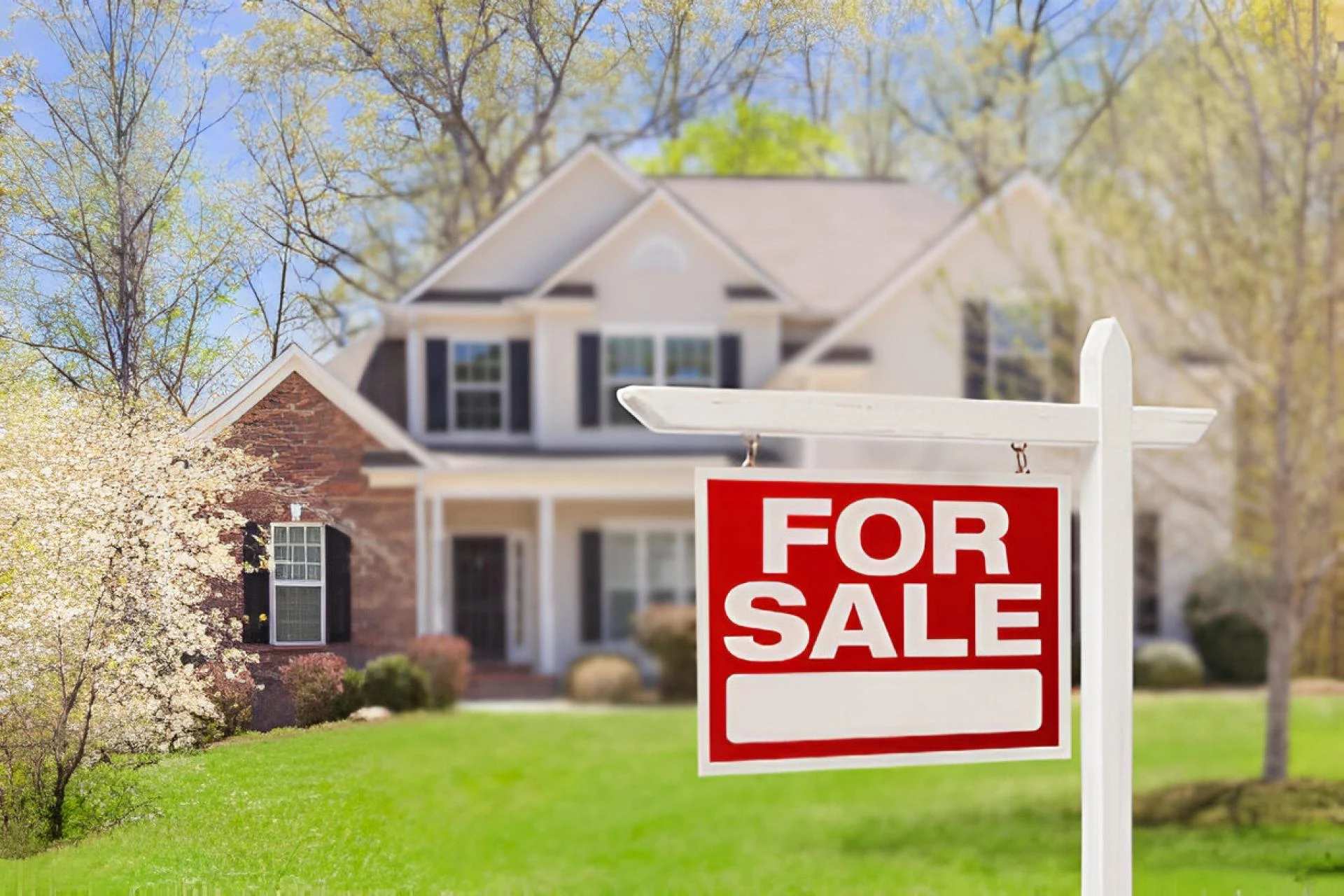
Selling a property isn’t just about putting up a “For Sale” sign and waiting for offers. In today’s competitive real estate market, every decision, from timing the sale to setting the right price, can significantly impact how quickly your property sells and how much profit you make.
Before you rush to list your home, pause and ask yourself some key questions. The answers will not only prepare you for a smoother selling process but also help you maximize your return on investment and avoid costly mistakes.
Here are the 10 essential questions every seller should answer before putting their property on the market.

1. Why Am I Selling My Property?
This might sound obvious, but your motivation shapes your entire selling strategy.
- If you’re relocating for work, you may need a quick sale and might price more competitively.
- If you’re downsizing or upgrading, you may be able to wait for the right buyer who pays top dollar.
- If you’re selling an investment property, your focus might be on tax implications and timing around the market cycle.
Clarity on your “why” helps you (and your real estate agent) decide whether speed, price, or convenience should be the priority.
2. What’s the Current Market Like in My Area?
Real estate is hyper-local. National headlines may say “prices are cooling,” but your neighborhood could still be a seller’s hotspot.
Research or ask your agent about:
- Average days on market for homes like yours
- Inventory levels (Is there a shortage or oversupply?)
- Recent comparable sales (What are similar homes selling for?)
- Buyer demand (Are buyers competing with multiple offers, or negotiating hard?)
Knowing this gives you a realistic view of what to expect. An overpriced home in a buyer’s market may sit unsold for months, while a smartly priced home in a hot market can trigger bidding wars.
3. Is My Property Ready for Sale?
First impressions matter. Buyers today scroll through listings like dating apps, if your photos don’t catch their eye, they’ll swipe left.
Ask yourself:
- Does my home need repairs or updates before selling?
- Should I stage the property to make it more appealing?
- Is the curb appeal strong enough to attract buyers at first glance?
A fresh coat of paint, deep cleaning, landscaping, or small renovations (like updating fixtures or decluttering) can make a huge difference in perceived value.
4. What’s the Right Price for My Home?
Pricing your property is both an art and a science. Set it too high, and you scare away buyers; set it too low, and you leave money on the table.
To find the sweet spot:
- Review comparable sales (homes similar in size, age, location).
- Consider market conditions (seller’s vs. buyer’s market).
- Factor in your timeline (a rushed sale may require more aggressive pricing).
Most importantly, don’t price based on emotion. What you “feel” your home is worth may not align with what the market is willing to pay.
5. Should I Hire a Real Estate Agent or Sell It Myself?
This is one of the biggest decisions you’ll face.
- Selling on your own (FSBO): You save on commission but must handle pricing, marketing, showings, negotiations, and paperwork yourself. It can be overwhelming and often results in a lower selling price.
- Hiring a real estate agent: Yes, you’ll pay a commission (typically 5–6%), but you get professional marketing, access to MLS, negotiation expertise, and legal safeguards.
Ask yourself: Do I have the time, skills, and confidence to sell solo? Or would an agent’s expertise and network net me more money in the end?
6. What Will It Cost Me to Sell?
Selling a property isn’t free. Beyond paying off your mortgage, you’ll encounter costs such as:
- Agent commissions (if using a realtor)
- Closing costs (title fees, transfer taxes, attorney fees)
- Repairs or concessions requested by buyers
- Staging and marketing expenses
- Pre-inspection or appraisal fees (if you choose to do them)
If you own a flat or apartment within a shared building, you may also need to factor in block management fees. These cover the upkeep of communal areas, repairs, and services that buyers will want to know about before making an offer.
Knowing these upfront prevents surprises and ensures you calculate your true net profit.
7. How Will I Market My Property?
Gone are the days when a yard sign and a classified ad were enough. Today, buyers discover homes online long before they step inside.
Strong marketing may include:
- Professional photography and video tours
- Virtual walkthroughs or 3D floor plans
- Social media ads targeting local buyers
- Open houses and private showings
- Email campaigns to qualified buyers and agents
Ask yourself: Do I have a marketing plan, or am I relying on luck?
8. Am I Ready to Negotiate?
Even in a hot market, buyers will negotiate. They may ask for a lower price, request repairs, or want you to cover closing costs.
Consider in advance:
- What’s the lowest price I’m willing to accept?
- Am I open to covering buyer incentives (closing credits, repairs)?
- Do I understand how to evaluate multiple offers, not just the price (financing type, contingencies, timeline)?
Top sellers prepare for negotiations with data and flexibility, not emotions.
9. What’s My Timeline?
Timing matters more than you think. Are you:
- Selling quickly because of a job relocation?
- Coordinating a purchase of your next home?
- Trying to sell at the top of the market for maximum profit?
If you have flexibility, you may choose to list during peak seasons (spring and early summer typically bring more buyers). If not, you’ll need a strategy that balances speed with profit.
10. Am I Prepared for the Emotional Side of Selling?
Selling a property isn’t just a financial transaction, it’s an emotional experience. You’re not just selling walls and floors; you’re letting go of a place tied to memories and milestones.
Be prepared for:
- Critical feedback from buyers (“The kitchen feels small,” “The paint color isn’t appealing”).
- Lowball offers that may feel insulting.
- The stress of keeping your home “show-ready” for weeks or months.
The more emotionally prepared you are, the easier it will be to make rational decisions that protect your financial interests.
For more useful content: The Omni Buzz
Conclusion
Before you hang the “For Sale” sign, take the time to answer these 10 critical questions. Doing so will not only give you confidence but also position you for a successful, profitable, and stress-free sale.
Remember: selling property is part strategy, part negotiation, and part patience. With clarity, preparation, and the right support system, you’ll be able to navigate the process like a pro.
Whether you choose to go it alone or hire a trusted real estate agent, one truth remains constant: the better prepared you are, the better your outcome will be.