For many people, visiting the dentist can be a source of anxiety. The sound of drills, fear of pain, or even past negative experiences can make dental care stressful. Sedation dentistry offers a solution to these fears, allowing patients to receive necessary dental treatment in a relaxed and pain-free environment. From simple cleanings to complex procedures, sedation dentistry can transform the dental experience for those with dental anxiety or phobias.
What is Sedation Dentistry?
Sedation dentistry involves the use of medication to help patients relax during dental procedures. Unlike general anesthesia, which renders a patient completely unconscious, sedation dentistry keeps patients awake but deeply relaxed. Depending on the level of sedation, patients may feel drowsy, detached from the procedure, or in some cases, may have little to no memory of the treatment.
There are several levels of sedation used in dental care:
- Minimal Sedation: The patient remains fully awake but relaxed, usually achieved through inhaled nitrous oxide (commonly called “laughing gas”) or oral sedatives.
- Moderate Sedation: Also known as conscious sedation, this may be given orally or intravenously. Patients often slur their words and may not remember much of the procedure.
- Deep Sedation: Patients are on the edge of consciousness but can still be awakened if necessary.
- General Anesthesia: Reserved for very complex procedures, the patient is fully unconscious and unaware of the procedure.
Who Can Benefit from Sedation Dentistry?
Sedation dentistry is ideal for anyone who experiences dental anxiety, but it is particularly beneficial for certain groups of patients:
- Patients with Dental Phobia: Those who experience extreme fear of the dentist can finally receive treatment without panic or stress.
- Patients with Low Pain Tolerance: Sedation helps make even routine procedures comfortable.
- Patients with a Strong Gag Reflex: Sedation can reduce the gag reflex, allowing easier treatment for procedures like impressions or dental cleanings.
- Patients with Extensive Dental Work: Long procedures, such as root canals, dental implants, or multiple tooth restorations, can be completed efficiently under sedation.
- Individuals with Special Needs: Patients with medical or cognitive conditions may require sedation to undergo necessary dental care safely.
Common Sedation Techniques
1. Oral Sedation:
Oral sedatives, such as diazepam or triazolam, are taken before the procedure. Depending on the dose, patients may feel drowsy or sleep lightly through the treatment.
2. Inhalation Sedation (Nitrous Oxide):
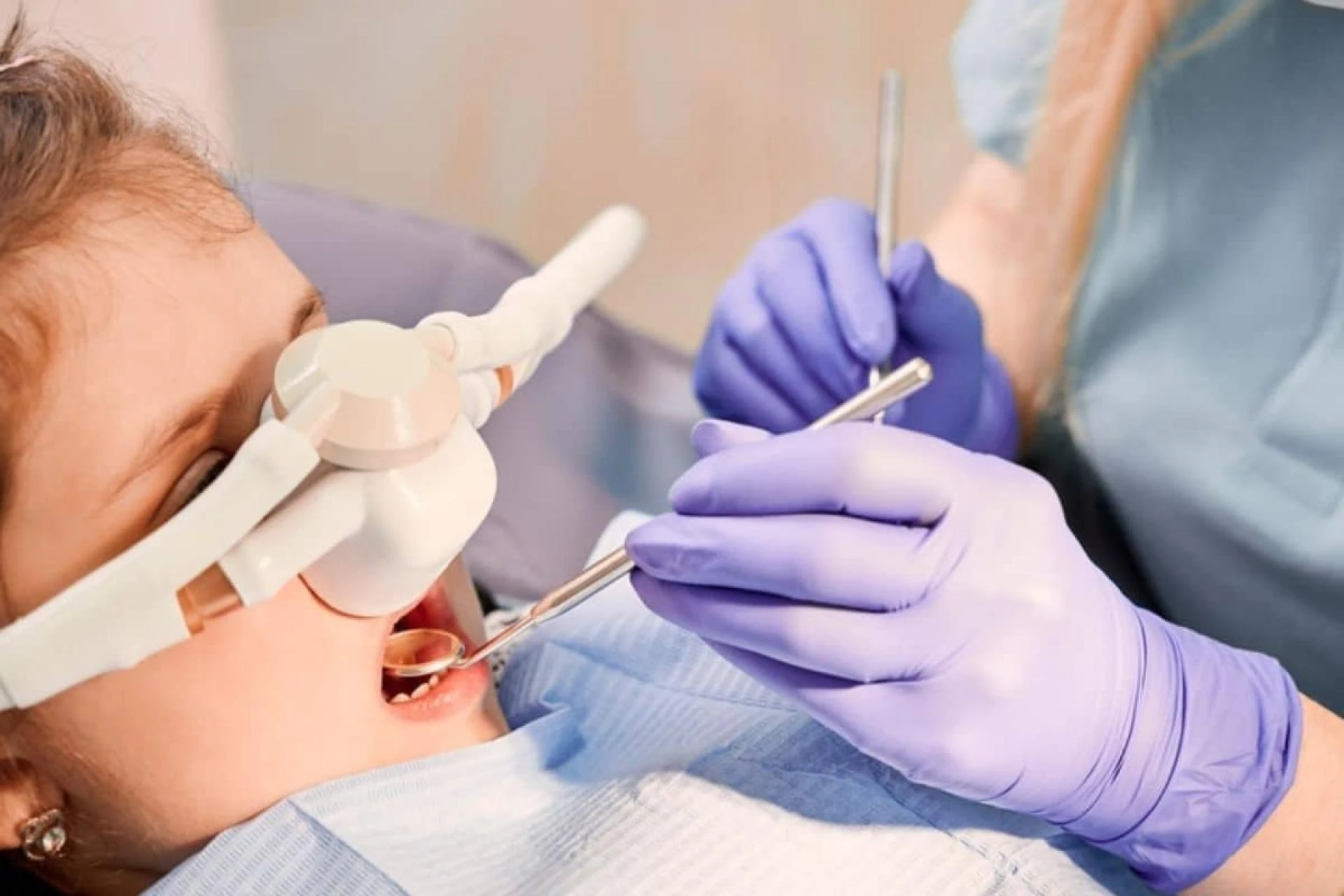
Nitrous oxide is inhaled through a mask and works quickly to reduce anxiety and pain. It wears off almost immediately, allowing patients to return home safely after a short recovery period.
3. Intravenous (IV) Sedation:
IV sedation is administered directly into the bloodstream, producing a rapid and controllable level of sedation. Patients may remain semi-conscious or nearly asleep, depending on the dosage.
4. Deep Sedation and General Anesthesia:
These are usually reserved for major surgeries or patients with extreme anxiety. They require careful monitoring by trained professionals to ensure safety.
Benefits of Sedation Dentistry
1. Reduced Anxiety:
Sedation helps patients feel calm and relaxed, making the dental experience less stressful.
2. Pain-Free Experience:
Sedation dentistry eliminates pain during treatment, which encourages patients to undergo procedures they might otherwise avoid.
3. Time Efficiency:
Patients can often complete multiple procedures in a single visit under sedation, reducing the need for multiple appointments.
4. Better Oral Health:
By making dental visits less intimidating, sedation dentistry encourages patients to maintain regular checkups, improving overall oral health.
5. Memory Reduction:
Many patients have little to no recollection of the procedure, which can be comforting for those who fear dental treatments.
Safety Considerations
Sedation dentistry is generally safe when administered by a trained professional. Dentists or anesthesiologists will evaluate the patient’s medical history, current medications, and overall health to determine the most appropriate sedation method. Monitoring vital signs such as heart rate, oxygen levels, and blood pressure during the procedure ensures patient safety.
However, not everyone is an ideal candidate for sedation. Patients with certain health conditions or allergies may require special precautions. It is essential to discuss all medical history with your dental provider before undergoing sedation.
Preparing for Sedation Dentistry
Patients are often advised not to eat or drink for several hours before the procedure, depending on the type of sedation. Arranging for someone to accompany you to the dental office and drive you home is necessary, especially with oral or IV sedation. Following pre- and post-procedure instructions ensures a safe and comfortable experience.
Conclusion
Sedation dentistry has revolutionized the way patients approach dental care. By reducing anxiety, eliminating pain, and providing a comfortable experience, it allows individuals to receive essential dental treatments without fear. Whether it’s a routine cleaning or a complex dental procedure, sedation dentistry ensures that patients can maintain their oral health confidently and comfortably.
If dental anxiety has kept you from seeking treatment, sedation dentistry may be the solution you’ve been looking for. Speak to your dentist about the best sedation options for your needs and take the first step toward a stress-free dental experience.