
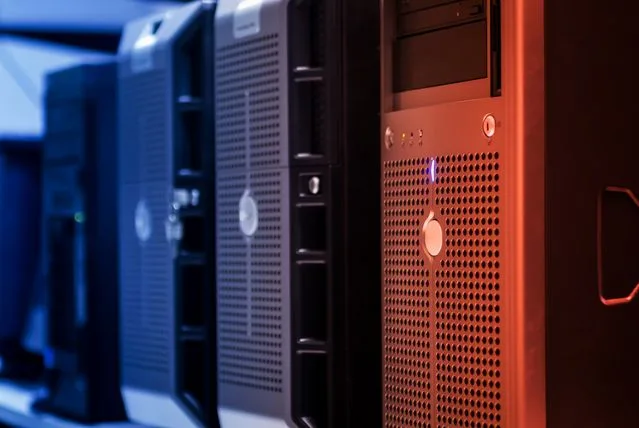
Decommissioned rack servers, blade chassis, and end-of-lease hardware can quickly become both depreciating IT assets and a source of unresolved data security risk. As equipment remains in storage, its resale value may decline while organizations continue carrying the responsibility of protecting information stored on retired drives. A structured server disposal process helps address both concerns by combining equipment assessment, secure data destruction, value recovery, and responsible recycling.
Professional server disposal evaluates each unit to determine whether it can be remarketed, repaired, recycled, or otherwise processed through an appropriate end-of-life channel. This approach helps organizations recover value from functional hardware while ensuring equipment that cannot be reused is handled responsibly.
How Server Disposal Works
The server disposal process begins when retired equipment is received and inventoried. Each server is assessed based on its model, configuration, condition, and drive type. HDD, SSD, and NVMe storage devices are cataloged individually because the type of media affects the appropriate sanitization method as well as whether the equipment is suitable for resale.
Traditional hard disk drives and flash-based storage require different approaches to data eradication. NIST SP 800-88 identifies Clear, Purge, and Destroy as categories for media sanitization, with the appropriate method depending on the type and condition of the storage device. Flash-based drives that cannot be reliably sanitized through logical methods, as well as failed storage media, may require physical destruction rather than resale.
Specialized device auditing software can be used to wipe individual drives while maintaining a record of each erasure. These records can include information associated with the individual asset, providing an auditable history of the data destruction process. Certificates of data destruction may also be provided when requested.
Once data security requirements have been addressed, equipment can be evaluated for its remaining value. Functional server hardware and components may be tested, graded, and prepared for remarketing. Recoverable materials from equipment that cannot be resold can instead move through hardware recycling channels, while residual waste is handled through appropriate downstream disposal partners.
Benefits of Server Disposal
Audit-Ready Data Destruction Documentation
Servers can contain multiple data-bearing drives, meaning that data destruction must account for each storage device rather than treating the entire chassis as a single asset. Individual records can document the asset identification, sanitization method, timestamp, and result for each drive.
This type of serialized documentation provides organizations with a clear record of what happened to their retired storage media. Certificates of data destruction can provide additional documentation for internal records, compliance reviews, and asset disposition files.
Maintaining detailed records is particularly important when servers have been used to store sensitive business information, customer records, financial data, employee information, or other confidential material.
Value Recovery Through Server Remarketing
Not every retired server needs to become scrap. Working or repairable equipment can retain market value even after it has been removed from an organization's infrastructure.
Testing and grading help determine which servers and components remain suitable for resale. Functional hardware can then be routed to appropriate refurbished equipment channels, allowing organizations to recover residual value instead of receiving only the material value associated with recycling.
The condition, configuration, age, storage media, and demand for particular server components can all affect their potential resale value. Separating reusable equipment from end-of-life hardware helps ensure that functioning assets are not unnecessarily scrapped.
Responsible Environmental Handling
Server disposal also involves environmental considerations. Electronic equipment contains materials that should be handled through documented recycling and downstream processing channels rather than being sent directly to general waste streams.
A reuse-first approach allows functioning hardware to remain in circulation, while equipment that cannot be remarketed can be processed for material recovery. Metals and other recoverable materials can be separated through appropriate recycling processes, with residual waste directed to qualified downstream partners.
This creates a more structured end-of-life path for retired servers while reducing unnecessary disposal of equipment that still has useful components or recoverable materials.
Single-Vendor Chain of Custody
Chain-of-custody tracking becomes increasingly important when large quantities of servers are being retired. Multiple handoffs between different vendors can make it more difficult to maintain visibility over equipment and storage media throughout the process.
A centralized server disposal process can track equipment from collection through transportation, inventory, testing, data destruction, remarketing, recycling, and final disposition. Serial-level tracking provides a documented history for individual assets and reduces gaps in accountability.
Selling Used Servers vs. Server Recycling: Remarket or Scrap?
Not every retired server belongs in the same disposal category. The appropriate path depends on the condition of the hardware, the status of its storage media, and the potential value of the equipment.
FactorSell / RemarketRecycle as ScrapDecision triggerWorking or repairable server hardwareObsolete, damaged, or failed unitsData handlingLogical sanitization with verificationPhysical destruction of storage mediaValue outcomeResidual market value recovered per unitRecoverable metals and materials salvagedDocumentationData destruction records and remarketing settlementData destruction records and recycling documentationTimelineTesting, grading, and channel placementDirect destruction and recyclingThis distinction allows organizations to avoid scrapping equipment that still has resale value while ensuring unusable hardware is properly processed.
Who Needs Server Disposal?
Professional server disposal can be particularly useful when the volume, security requirements, or value of retired infrastructure exceeds what an internal IT department can reasonably manage.
Data Center Refresh or Decommissioning
Data center decommissioning can generate large quantities of rack servers, blade systems, networking equipment, and storage devices within a relatively short period. Managing inventory, secure data destruction, transportation, testing, and final disposition internally can place significant demands on IT teams.
A structured disposal process provides a way to manage large server volumes while maintaining serialized tracking and documented data destruction.
End-of-Lease Server Returns
Organizations returning leased servers at the end of a contract may need to prepare equipment for disposition within specific timelines. Secure data destruction combined with equipment valuation can help simplify the process while providing documentation associated with retired assets.
Functional equipment may also retain value that can offset some of the costs associated with end-of-lease disposition.
Accumulated Server Backlog
Old servers stored in equipment rooms, warehouses, or storage cages can represent both depreciating assets and unresolved data security responsibilities. The longer equipment remains unused, the greater the potential for its resale value to decline.
Creating an inventory of accumulated servers helps organizations determine which assets can be remarketed and which should move directly into recycling or destruction channels.
Post-Merger or Facility Consolidation
Mergers, acquisitions, and facility closures can leave organizations with duplicate infrastructure, mixed generations of servers, and equipment spread across multiple locations.
A centralized disposal process can manage equipment from different sites and configurations while maintaining consistent standards for transportation, data destruction, testing, and final disposition.
When Server Disposal Might Not Be the Right Fit
Not every situation requires a specialized server disposition program. Organizations with only one or two older servers, particularly equipment with no drives or meaningful resale value, may find that a local computer recycling center is more practical for smaller quantities.
Larger rack-based infrastructure, data center equipment, end-of-lease hardware, or accumulated server inventories generally require more detailed handling because of the number of assets, storage devices, and potential value involved.
What to Expect During the Server Disposal Process
A structured server disposal process typically begins with an equipment inventory and ends with payment, recycling documentation, and data destruction records.
1. Submit Your Equipment List
The first step is creating a list of servers, networking equipment, storage devices, and related components that need to be retired. Information about models, configurations, quantities, and equipment condition can help establish an initial assessment.
2. Receive a Buyback Offer
Once the equipment list has been reviewed, eligible hardware can be evaluated for potential resale value. A detailed offer can then reflect the condition and market value of the equipment being considered for remarketing.
3. Schedule Collection
Collection and transportation can be coordinated based on the equipment volume and location. Larger server deployments may require specialized packing and handling to protect equipment during transit.
4. Assessment, Testing, and Data Destruction
Each server is assessed, tested, graded, and sorted. Individual components are evaluated for potential reuse or resale, while every data-bearing drive undergoes the appropriate sanitization process.
Erasure records can be archived for individual storage devices, providing documentation of the data destruction process. Equipment that cannot be securely sanitized or successfully tested can be directed toward physical destruction and recycling.
5. Payment and Certificates
Once processing is complete, payment for eligible remarketed equipment can be issued. Certificates of data destruction can also be provided when requested, documenting the handling and erasure of information stored on retired drives.
Conclusion
Server disposal is more than simply removing old equipment from a data center or storage room. A complete process addresses data security, asset recovery, environmental handling, and documentation from the initial inventory through final disposition.
By separating functional equipment from hardware that requires recycling or destruction, organizations can recover value from usable servers while maintaining appropriate controls over data-bearing devices. Detailed chain-of-custody records and data destruction documentation also provide greater visibility into where retired equipment goes and how its information is handled.
Whether the need involves a data center refresh, end-of-lease returns, an accumulated server backlog, or a facility consolidation, a structured server disposal process provides a practical way to retire infrastructure securely and responsibly.