

There’s a specific kind of confidence that comes from looking in the mirror and seeing bright, calm eyes looking back, no matter how busy life gets. While makeup tricks and quick fixes can help in a pinch, truly refreshed-looking eyes usually come from consistent habits, smart lifestyle choices, and knowing what your face is communicating. The good news is that small daily changes can create surprisingly noticeable improvements over time.
In this guide, you’ll learn practical, realistic ways to soften the look of fatigue, reduce puffiness, and support the delicate skin around your eyes. You’ll also discover how sleep, hydration, screen use, stress patterns, and gentle routines all quietly shape how rested your eyes appear from day to day.
The Morning Reset That Actually Works
The fastest way to make eyes look more awake is to address fluid retention and sluggish circulation first thing. A cool compress, a quick rinse with comfortably cold water, or chilled spoons wrapped in a clean cloth can help bring down morning puffiness without irritating the skin. Keep it brief; overdoing cold can lead to redness for some people.
After cooling, apply gentle pressure instead of rubbing the area. A light outward and upward motion with clean fingertips can help encourage natural drainage while remaining gentle on sensitive tissue. For individuals dealing with persistent under-eye concerns, exploring professional treatments such as oculofacial surgery in Vadodara may be an option, although consistent daily care and patience can still make a noticeable difference over time.
Why Your Under-Eye Area Holds Onto Shadows
Dark circles are not one-size-fits-all. For some, they’re created by pigmentation; for others, they’re caused by thin skin that reveals underlying vessels, or by facial structure that casts a natural shadow. Lack of sleep can make any of these look worse, but it’s rarely the only cause.
To make progress, observe patterns for two weeks: do circles deepen after salty meals, alcohol, long screen hours, or poor sleep? Noting the triggers helps you choose the right approach, brightening ingredients for pigment, hydration support for thin skin, or lifestyle shifts for swelling that creates shadowing.
The Sleep Strategy Beyond “Go to Bed Earlier”
It’s tempting to treat sleep like a switch: more hours equals better-looking eyes. But quality matters as much as quantity. Fragmented sleep can leave you looking puffy and dull even if you spent eight hours in bed. Try anchoring a consistent wake time first; your bedtime will naturally adjust when your body clock stabilises.
Also, consider your sleeping position. Sleeping face down can increase morning swelling around the eyes. If puffiness is a frequent issue, propping your head slightly higher and sleeping on your back (even partially) may help reduce fluid pooling over time.

A Smarter Way to Handle Screens and Strain
Digital fatigue shows up quickly around the eyes: heaviness, squinting, redness, and that worn-out look that no concealer fully hides. To reduce this, build micro-breaks into your day rather than waiting until discomfort hits. The goal is to prevent the subtle squint that deepens expression lines and makes eyes look tired.
If you often struggle to detect eye problems early because symptoms feel vague, like dryness, a pulling sensation, or intermittent blur, treat those signs as useful feedback rather than annoyances. Proper lighting, an adjusted screen height, and regular blinking can make a bigger visual difference than most people expect, especially when your eyes are working long hours.
Hydration and Salt: The Puffiness Connection
Under-eye puffiness is frequently tied to water balance. When you’re dehydrated, your body can hold onto fluid more aggressively, and the eye area tends to show it. On the other hand, heavy sodium intake can also lead to noticeable swelling the next day, particularly for sensitive people.
Aim for steady hydration throughout the day rather than chugging water at night. If you want an easy experiment, keep dinner lighter on salty packaged foods for a week and observe whether your morning puffiness shifts. This kind of small tweak often pays off faster than buying yet another product.
Skincare That Respects Thin, Reactive Skin
The skin around the eyes is delicate and can become irritated easily, which paradoxically makes the eyes look more tired. Instead of layering many activities, focus on a simple routine: gentle cleansing, a lightweight moisturiser, and sunscreen applied carefully up to the orbital bone area. Irritation, dryness, and flaking can make fine lines more noticeable and can amplify darkness.
When trying new products, patch test and introduce only one change at a time. Many people chase immediate results and end up with redness or sensitivity that creates a perpetually fatigued appearance. Consistency and restraint often outperform aggressive experimentation, especially near the eyes.
Makeup Placement That Lifts Without Looking Heavy
Makeup can refresh your look quickly, but placement matters more than thickness. If you apply concealer too close to the lash line or use a shade that’s too light, it can emphasise texture and make eyes look more tired. A slightly warm-toned corrector placed only where darkness is deepest tends to look more natural.
Then keep brightness concentrated on the inner corner and the high points around the eye socket rather than coating the entire under-eye area. Soft definition along the upper lash line can also make eyes look clearer, while heavy lower-lash liner can drag the eye down and intensify shadows.
Habits That Keep Your Eyes Calm Over the Years
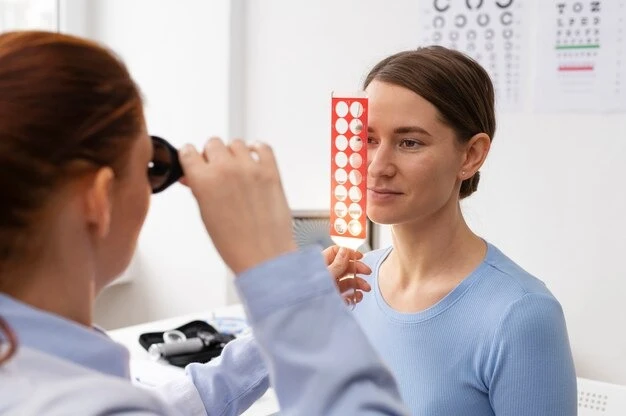
Resting eyes are often a reflection of long-term maintenance rather than a single trick. Protective sunglasses, consistent sleep, and avoiding habitual eye rubbing can preserve the smoothness and clarity that make you look awake. Regular checkups and mindful daily routines support long-term vision care while also reducing the chance that strain and dryness become your “normal.”
If you want a simple framework, keep one short routine you can do even on hectic days: wash gently, moisturise lightly, protect with SPF, and take brief screen breaks. That baseline keeps your eyes from constantly “recovering” and helps them stay more consistently refreshed.
Simple Daily Choices That Make the Biggest Difference
A refreshed eye area usually comes from stacking small wins: fewer late-night screens, more consistent hydration, and a calmer skincare approach. If you feel overwhelmed, pick just two changes for the next seven days, maybe a consistent wake time and a morning cool compress and evaluate what shifts.
If you’d like a single set of eye care tips that’s easy to remember, prioritise the basics: protect from the sun, pause screens regularly, and be gentle during cleansing and makeup removal. These choices don’t just improve how your eyes look tomorrow; they reduce the cycle of irritation and fatigue that builds over time.
Conclusion
Looking rested is rarely about perfection; it’s about creating conditions that help your eyes appear bright, comfortable, and supported. When you focus on gentle routines, smarter screen habits, and small lifestyle adjustments, your face tends to reflect that care in a natural, believable way.
Start with one or two changes you can sustain, then build gradually. With patience, your eyes can look clearer and more refreshed without feeling like you’re fighting your reflection every morning.