Clear vision is easy to take for granted until something feels off blurred text, frequent headaches, dry eyes, or trouble seeing at night. Yet many serious eye problems develop quietly, without dramatic early symptoms. That’s why preventive care matters: an exam is not only about updating your glasses or contacts, but also about spotting subtle changes that could signal disease. From the surface of the eye to the retina and optic nerve, a comprehensive check can reveal patterns that aren’t obvious in daily life. When issues are found early, treatment is often simpler, outcomes are better, and you can protect both your eyesight and your overall well-being.
How Exams Reveal Problems Before You Feel Them
A major reason eye checkups are so valuable is that many threatening conditions begin silently. Glaucoma, for instance, can slowly damage the optic nerve while your central vision remains seemingly normal, so you may not notice trouble until significant loss has already occurred. During a comprehensive evaluation, clinicians measure eye pressure, examine the optic nerve, and compare results over time to detect gradual change. Retinal conditions can also progress quietly; early abnormalities in the retina may not cause symptoms until the affected area becomes extensive. Imaging and careful examination help identify these issues while intervention can still preserve function. If you’ve been postponing care because you “see fine,” this is your reminder to book your consultation now. Protecting vision often starts long before discomfort appears.
The Role of Retinal Checks in Preventing Vision Loss
The retina is delicate, and problems there can be urgent. Small tears can develop and, in some cases, lead to retinal detachment, an emergency that can cause permanent vision loss if not treated quickly. Eye care professionals look for weak spots, holes, or signs of traction that might raise concern. They also assess the macula, the central area responsible for detailed vision, to screen for changes linked to age-related macular degeneration. Early detection can open the door to monitoring, lifestyle adjustments, or treatment plans before damage becomes irreversible. Even when nothing alarming is found, establishing a baseline image of your retinal health is valuable; it makes future changes easier to identify and manage.
Detecting Glaucoma: Why Pressure Isn’t the Whole Story
Many people think glaucoma screening is only about eye pressure, but pressure is just one piece of the puzzle. A proper causes of glaucoma looks beyond pressure alone, since some individuals develop optic nerve damage with “normal” pressure, while others tolerate higher pressure without immediate harm. That’s why a thorough exam may include optic nerve evaluation, visual field testing, corneal thickness measurement, and imaging that tracks nerve fiber layers. When these results are compared over multiple visits, trends emerge sometimes before you experience any noticeable vision change. Early diagnosis can mean starting pressure-lowering drops, considering laser options, or simply monitoring more closely. This long-term tracking is especially important if you have risk factors such as a family history of glaucoma, diabetes, high blood pressure, or a history of eye injury.
How Eye Exams Can Flag Diabetes and High Blood Pressure
Your eyes offer a unique window into your vascular health. Tiny blood vessels in the retina can show signs of diabetes and hypertension, sometimes even before a person is diagnosed. Diabetic retinopathy may present as small hemorrhages, swelling, or abnormal new vessel growth, and these findings help guide both eye treatment and systemic management. Hypertension can cause vessel narrowing and other retinal changes that signal the need for medical attention. In this way, an eye exam can act like an early warning system, one that encourages timely follow-up with a primary care clinician. If you’ve been focusing only on “seeing better,” remember that an eye evaluation can also contribute to broader health prevention.
Screening for Cataracts and Other Age-Related Changes
As we age, the lens inside the eye can gradually become cloudy, leading to cataracts. Early on, you might notice glare from headlights, faded colors, or needing brighter light to read. Over time, cataracts can interfere significantly with daily activities such as driving, reading, or working. Exams help determine whether symptoms are caused by cataract changes or another issue, and they help track progression so you can plan ahead. Your provider may also check for dry eye disease, eyelid problems, and corneal changes that become more common with age. Proactive planning matters because the goal is not just treatment, but maintaining independence and quality of life.
Children and Teens: Finding Vision Issues That Affect Learning
Kids often don’t realize their vision is compromised; they assume everyone sees the world the way they do. Undetected refractive errors can make reading difficult, reduce attention in class, and lead to headaches or eye strain. Some children may have binocular vision issues that affect depth perception or tracking, and these can influence sports performance and classroom comfort. Early detection can help prevent long-term visual development problems and reduce frustration with learning. Even for teens, increased screen time can worsen dryness, eye strain, and focusing fatigue. Evaluations offer an opportunity to address these habits, recommend protective strategies, and ensure visual needs are fully supported.
Why Consistency Matters More Than One Perfect Visit
One eye appointment is helpful, but consistent follow-up is what makes prevention truly powerful. Many eye diseases are gradual, and changes can be so subtle that they only become clear when comparing results across time. This is where routine eye exams play a key role, giving your provider a timeline of measurements and images that can uncover slow-moving problems. Regular visits also allow you to fine-tune prescriptions, update contact lens fit, and manage surface issues like dryness or allergies. Think of it as building a health record for your eyes: the more complete it is, the easier it is to catch meaningful changes early.
What to Expect at a Comprehensive Eye Exam
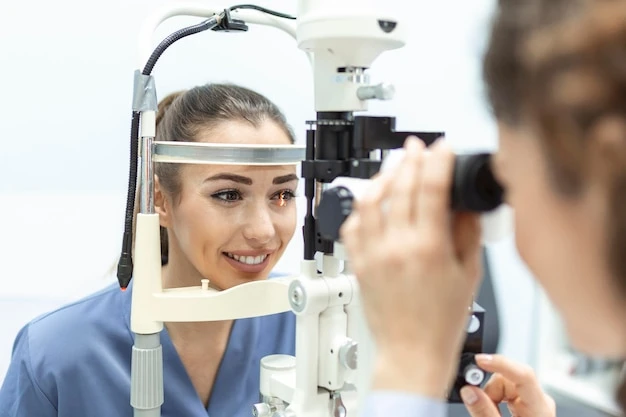
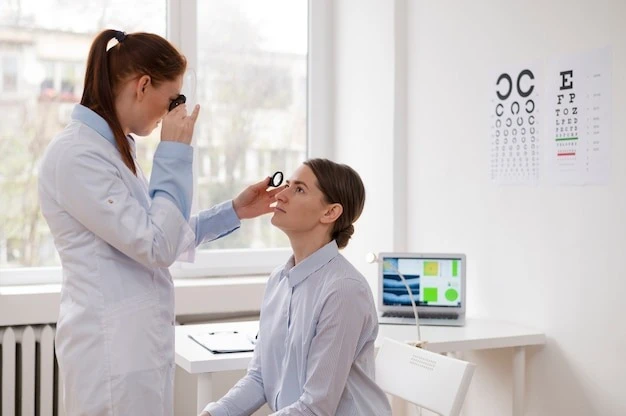
Knowing what happens during an exam can make it feel less intimidating. Typically, you’ll start with questions about vision changes, medical history, medications, and daily visual demands. Testing may include visual acuity, refraction (to determine prescription), eye alignment, and focusing checks. The clinician will often examine the front of the eye with a slit lamp and assess internal structures using dilation or advanced imaging. Depending on age, risk factors, and symptoms, you may also have eye pressure measurement and visual field testing. These steps work together to form a detailed picture of eye health, not just eyesight clarity.
Taking Action Early: Small Steps That Protect Long-Term Vision
If an issue is found, early action can be surprisingly effective. That might mean treating dry eye before it damages the surface, managing blood sugar or blood pressure to reduce retinal risk, or monitoring suspicious optic nerve findings before they progress. Even lifestyle guidance like UV protection, screen breaks, better contact lens hygiene, and nutrition that supports eye health can add up over the years. If it’s been a while since your last exam, or you’ve noticed subtle changes you’ve been ignoring, don’t wait for a crisis to prompt care. It’s a practical moment to book your consultation now and create a plan that protects your vision for the future.
Conclusion
Regular eye care is one of the most straightforward ways to safeguard a sense you rely on every day. Because many serious conditions begin without pain or obvious symptoms, an exam can uncover concerns at a stage when treatment is more effective and less disruptive. Whether your goal is sharper vision, fewer headaches, or confidence that your eyes are healthy, preventive visits give you clarity and control. If you’re ready to take the next step toward protecting your sight and your overall wellness, book your consultation now and make eye health part of your routine.