
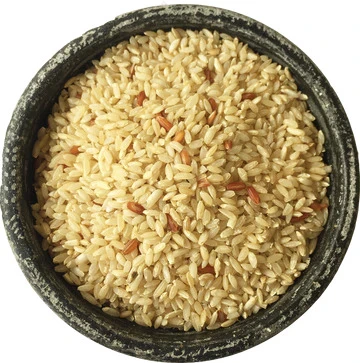
If you regularly cook aromatic rice, you may have noticed that its fragrance, texture, or cooking behavior can feel slightly different at different times of the year. This is especially true for Organic Joha Rice 5kg. These changes aren’t random. They’re closely tied to agricultural cycles, climate conditions, and how rice matures after harvest.
Understanding these seasonal variations helps you cook better—and set the right expectations from each batch.
Joha Rice Is Highly Climate-Sensitive
Joha rice is a naturally aromatic, short- to medium-grain variety. Its aroma compounds develop during growth and stabilize after harvest. Because it’s grown in specific climatic conditions, even small changes in rainfall, temperature, and humidity can influence grain quality.
This sensitivity is what gives Joha rice its character—but it’s also why seasonal differences are noticeable.
Harvest Season vs. Aged Rice
Freshly harvested Joha rice behaves very differently from aged rice.
Right after harvest:
- Aroma is present but slightly muted
- Grains contain higher internal moisture
- Cooking may result in softer or stickier texture
After 3–6 months of natural aging:
- Aroma becomes more pronounced
- Moisture levels stabilize
- Grains cook more evenly and stay separate
This is why Joha rice purchased soon after harvest may feel different from the same variety bought later in the year.
Monsoon Impact on Grain Quality
The monsoon plays a major role in how Joha rice develops.
A well-balanced monsoon:
- Supports uniform grain formation
- Enhances natural aroma development
- Results in healthier, fuller grains
Excessive rainfall, however, can:
- Increase moisture retention
- Slightly reduce fragrance concentration
- Lead to more broken grains during milling
On the other hand, insufficient rainfall may produce smaller grains with stronger aroma but lower yield.
Temperature and Aroma Development
Cooler temperatures during grain filling help aromatic compounds develop more steadily. If temperatures rise unexpectedly during this stage, aroma formation can be affected.
That’s why Joha rice from different growing seasons—even from the same region—can vary subtly in fragrance strength.
Storage Conditions After Harvest Matter
Seasonal humidity doesn’t stop affecting rice once it’s harvested.
In warmer, more humid months:
- Rice absorbs ambient moisture faster
- Aroma can fade if storage isn’t ideal
- Cooking behavior may change slightly
In cooler, drier months:
- Grains remain more stable
- Aroma holds better
- Texture stays consistent
This is why proper post-harvest storage is just as important as farming conditions.
Milling Time Influences Seasonal Feel
When rice is milled closer to the harvest season, it retains more moisture. Milling done after aging results in a drier, more stable grain.
Seasonal demand often determines milling schedules, which indirectly affects how the rice performs in your kitchen.
Why These Variations Are Actually a Good Sign
Uniform rice that never changes often comes from heavy processing or blending. Natural seasonal variation usually indicates:
- Minimal processing
- Authentic growing conditions
- Traditional farming practices
With Joha rice, small differences in aroma or texture across seasons often mean the rice hasn’t been over-engineered to look or behave the same year-round.
How Home Cooks Can Adjust Easily
A few small adjustments help you get consistent results:
- For newer rice, slightly reduce water
- For aged rice, soak briefly before cooking
- Store rice in airtight containers, away from heat
- Let rice rest after cooking to stabilize texture
These simple steps compensate for seasonal shifts without changing your recipes.
Seasonal Awareness Improves Cooking Confidence
Once you understand why Joha rice changes slightly across the year, those differences stop feeling like flaws. Instead, they become cues—telling you how the rice wants to be cooked this time around.
Cooking becomes more intuitive and less trial-and-error.
Final Thoughts
Seasonal variation isn’t a drawback—it’s part of what makes traditional rice special. Climate, harvest timing, and natural aging all shape how Joha rice looks, smells, and cooks at different points in the year. When handled with care, Organic Joha Rice 5kg delivers consistent satisfaction, even if its character shifts slightly with the seasons.
Understanding that rhythm helps you appreciate the grain—and cook it better every time.