Excessive underarm sweating, also known as axillary hyperhidrosis, can be an embarrassing and frustrating issue for many people. Traditional remedies like antiperspirants and lifestyle changes often provide temporary relief, leaving sufferers looking for more effective solutions. One increasingly popular and highly effective treatment is underarm Botox. This article will explore everything you need to know about underarm Botox, including how it works, its benefits, procedure, recovery, and costs.
What is Underarm Botox?
Underarm Botox is a medical procedure where botulinum toxin type A is injected into the sweat glands of the underarms. While most people associate Botox with cosmetic treatments for wrinkles, its ability to block nerve signals makes it effective for controlling excessive sweating. By temporarily inhibiting the nerves that trigger sweat production, Botox reduces underarm sweating significantly for several months.
Unlike topical treatments, which only address the surface, Botox works at the root of the problem, providing longer-lasting and more consistent results. For people who struggle with daily sweat issues, this can be life-changing.
How Does Underarm Botox Work?
The key to understanding underarm Botox lies in the science of sweat production. Sweat glands are controlled by the nervous system. In people with hyperhidrosis, these nerves are overactive, sending constant signals to sweat glands.
Botox works by blocking the release of acetylcholine, a chemical responsible for stimulating sweat glands. When the signal is blocked, the glands stop producing excess sweat. This effect is not permanent but typically lasts between 6 to 12 months, depending on the individual. After this period, additional injections may be required to maintain results.
Who Can Benefit From Underarm Botox?
Underarm Botox is suitable for both men and women experiencing excessive sweating that interferes with daily life. Signs that you might benefit include:
- Soaking through clothing despite antiperspirant use
- Feeling self-conscious in social or professional settings
- Experiencing frequent odor due to sweat accumulation
- Limiting activities such as sports or social outings because of sweat
It’s important to consult with a licensed professional to determine if Botox is right for you. Some medical conditions may prevent people from being ideal candidates, including certain neuromuscular disorders or allergies to botulinum toxin.
The Underarm Botox Procedure
One of the reasons underarm Botox has gained popularity is the simplicity and speed of the procedure. Here’s what you can expect during a typical session:
Step 1: Consultation
Your provider will evaluate your medical history and discuss your sweating concerns. They may also perform a starch-iodine test, which helps identify the areas with the most sweat production.
Step 2: Preparation
The underarm area will be cleaned thoroughly. Some providers may apply a topical numbing cream to minimize discomfort during injections.
Step 3: Injection
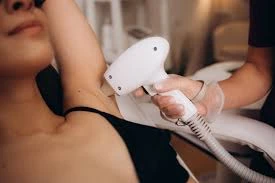
Botox is injected into multiple small spots across each underarm. While some people feel a slight pinch, the procedure is generally well-tolerated and usually takes 15 to 30 minutes.
Step 4: Post-Procedure Care
Patients can typically return to normal activities immediately. Providers usually advise avoiding heavy exercise or applying deodorant for a few hours.
Benefits of Underarm Botox
Underarm Botox offers several advantages over traditional sweat-control methods:
- Effective Sweat Reduction: Studies show that Botox can reduce underarm sweating by up to 87%.
- Long-Lasting Results: Most patients experience relief for 6 to 12 months.
- Quick Procedure: The injections are completed in less than an hour with minimal downtime.
- Minimal Side Effects: Mild bruising or temporary discomfort at the injection site is common, but serious complications are rare.
- Improved Confidence: Patients often report feeling more confident in social and professional situations.
Risks and Considerations
While underarm Botox is generally safe, it’s important to be aware of potential side effects and risks:
- Temporary Bruising or Swelling: Minor discomfort at the injection sites is common.
- Mild Muscle Weakness: Rarely, the toxin may spread slightly, causing temporary weakness in nearby muscles.
- Allergic Reactions: Extremely rare but possible; always inform your provider of allergies.
- Cost: Underarm Botox is not usually covered by insurance unless medically necessary for hyperhidrosis.
By choosing a licensed and experienced provider, most risks can be minimized.
What to Expect After Treatment
Patients typically notice sweat reduction within 2 to 7 days, with full results visible after about two weeks. The effects gradually wear off over several months, after which repeat injections are needed to maintain the results.
Many patients find that underarm Botox significantly improves quality of life, allowing them to wear light clothing, engage in physical activities, and feel confident in professional and social situations without worry.
Cost of Underarm Botox
The cost of underarm Botox varies based on factors such as location, provider expertise, and the amount of Botox required. On average, a session can range from $400 to $800 per treatment, with maintenance sessions every 6 to 12 months.
While this may seem expensive compared to antiperspirants or over-the-counter treatments, many patients consider it a worthwhile investment due to the long-lasting relief and improvement in confidence.
Tips for Maintaining Results
While Botox provides excellent sweat reduction, patients can enhance and prolong results by following a few simple tips:
- Avoid excessive heat and strenuous activity for the first 24 hours after treatment
- Use gentle deodorants and avoid harsh scrubbing in the treated area
- Schedule follow-up injections as recommended by your provider
- Maintain a healthy lifestyle to support overall skin and nerve health
Underarm Botox vs. Other Treatments
It’s helpful to compare underarm Botox with other hyperhidrosis treatments:
- Antiperspirants: Provide short-term relief but may be ineffective for severe cases.
- Oral Medications: Can reduce sweating but may have systemic side effects.
- Surgery (Endoscopic Thoracic Sympathectomy): Permanent solution but invasive with higher risks.
- Botox: Minimally invasive, effective, and relatively safe with few side effects.
For many patients, Botox strikes the perfect balance between effectiveness, safety, and convenience.
Final Thoughts
Excessive underarm sweating can be both uncomfortable and socially challenging, but underarm Botox offers a proven solution. With minimal downtime, long-lasting results, and significant improvements in daily life, it’s no wonder this treatment is growing in popularity.
If you’ve struggled with hyperhidrosis despite conventional treatments, consulting with a qualified provider about underarm Botox could be the first step toward a sweat-free future. By taking control of excessive sweating, you can regain confidence, comfort, and peace of mind—without the constant worry of visible sweat stains or odor.