Sawai Madhopur serves as the primary gateway to eastern Rajasthan's wilderness, historical fortifications, and spiritual heritage. Founded in the mid-eighteenth century by Maharaja Sawai Madho Singh I, this historic city stands at the confluence of the rugged Aravalli and Vindhya mountain ranges. For decades, wildlife researchers, cultural explorers, and leisure travellers have journeyed here to witness Bengal tigers roaming amid royal ruins. Planning a visit requires understanding the distinct natural reserves, medieval fortresses, tranquil lakes, and cultural centers that define this unique corner of India.
Ranthambore National Park: The Jewel of Royal Wilderness
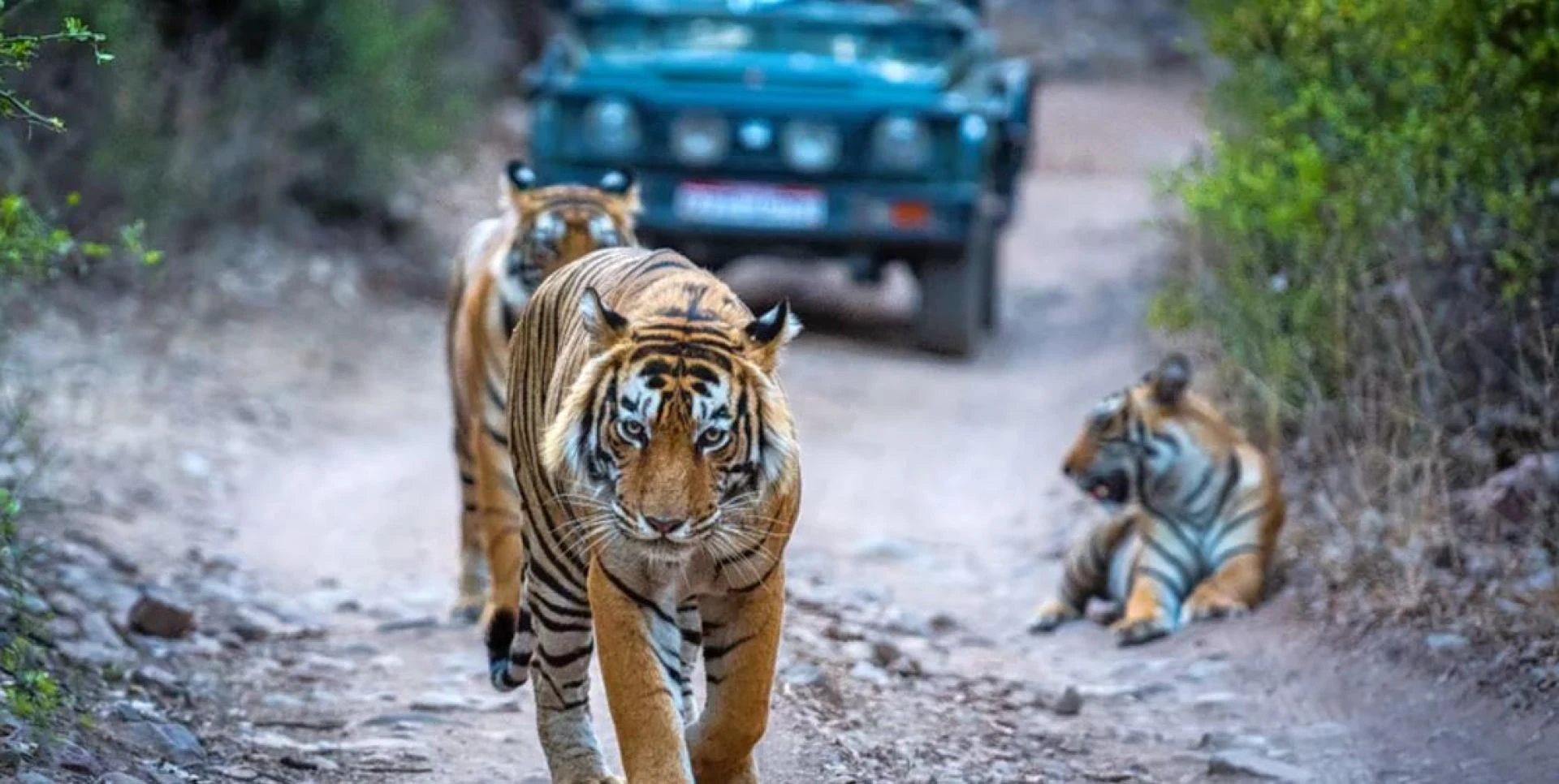
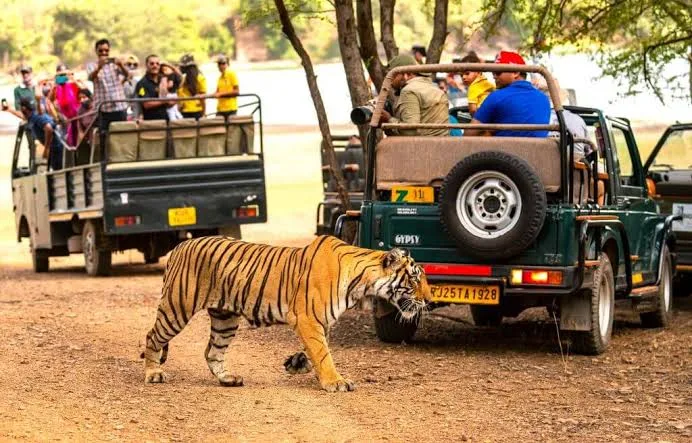
Ranthambore National Park remains the definitive highlight of any Sawai Madhopur itinerary. Covering over 1,300 square kilometers across core and buffer zones, the sanctuary is globally recognized as one of the best locations to observe wild royal Bengal tigers in their natural habitat. The terrain features dry deciduous scrub forests, open grassy meadows, and rocky ravines interspersed with ancient water reservoirs. Safaris run twice daily in open six-seater jeeps and twenty-seater canters across ten designated safari zones. Alongside the apex tiger population, visitors regularly spot Indian leopards, sloth bears, striped hyenas, sambar deer, chital, mugger crocodiles, and more than three hundred avian species.
Choosing the right accommodation elevates the safari experience from routine sightseeing to an unforgettable retreat. Staying at a dedicated luxuy resort in Ranthambore provides guests with expert naturalists, serene jungle views, authentic Rajasthani hospitality, and private cottages designed to reflect traditional architecture after a long day tracking predators across the reserve.
Ranthambore Fort and Trinetra Ganesh Temple
Rising atop a 700-foot cliff inside the national park boundaries, Ranthambore Fort is an architectural marvel recognized under the UNESCO World Heritage "Hill Forts of Rajasthan". Established during the tenth century by the Chauhan dynasty, this strategic bastion stood through numerous sieges led by Delhi Sultanate rulers and Mughal emperors. Within its massive stone ramparts lie stepwells, cenotaphs, mosques, and ancient barracks that offer sweeping views across Padam Talao and the surrounding jungle canopy.
Located within the fort complex is the venerable Trinetra Ganesh Temple, dedicated to the three-eyed depiction of Lord Ganesha. It holds immense religious significance as one of the oldest Ganesh temples in northern India. Devotees from across the country send hundreds of wedding invitations and letters daily to the deity to seek divine blessings. The walk up the stone stairs provides an authentic glimpse into local faith, where pilgrims and playful langurs share the path alongside panoramic views of the wild expanse below.
Peaceful Lakes and Valleys: Padam Talao, Malik Talao, and Surwal
Beyond the tiger tracks, Sawai Madhopur harbors picturesque aquatic ecosystems that draw nature photographers and avid birdwatchers. Padam Talao is the reserve's largest lake, famous for its seasonal water lilies and the historic red sandstone Jogi Mahal resting at its shore. Adjacent to it, Malik Talao serves as a haven for marsh crocodiles basking in the morning sun alongside kingfishers, egrets, and painted storks.
Outside the park's core boundary lies Surwal Lake, a seasonal freshwater body approximately ten kilometers from the city. Between November and March, migratory birds such as flamingos, spoonbills, and bar-headed geese descend upon its shallows, providing a serene environment for quiet sunrise viewing. For visitors traveling with their partner, reserving a curated Ranthambore 2N 3D couple package ensures seamless safari arrangements, romantic candlelit dinners under starlit desert skies, guided heritage tours, and stress-free logistics from arrival to departure.
Cultural and Regional Heritage Sites
Sawai Madhopur's appeal extends to regional conservation learning and rural craftsmanship:
- Rajiv Gandhi Regional Museum of Natural History: Situated near Ramsinghpura, this educational institution showcases detailed exhibits on western India's ecological diversity, geological formations, wildlife conservation, and regional flora and fauna through interactive dioramas.
- Shilpgram Craft Village: Located near the museum, this cultural hub promotes rural artisans specializing in traditional Rajasthani block printing, handloom textiles, bandhani fabrics, and clay pottery.
- Khandar Fort: Perched forty-five kilometers away on the edge of the Vindhya range, this ancient military outpost features massive stone gateways, underground chambers, and seven distinct temples built into the ramparts.
- Chamatkar Temple: An ancient Jain shrine situated in the main town, renowned for its intricate white marble architecture and legendary folklore that attracts pilgrims throughout the year.
Best Time to Visit and Travel Essentials
The ideal window for visiting Sawai Madhopur spans from October to April. Winter months feature crisp morning temperatures hovering around 10°C, daytime warmth under clear blue skies, and optimal conditions for daytime sightseeing. Late spring between March and May presents hotter conditions, yet it also yields the highest frequency of predator sightings as animals congregate around depleting water holes. Core zones of the national park remain closed during the annual monsoon season from July to September.
Sawai Madhopur Railway Station connects easily via major express trains running on the main Delhi-Mumbai line. The nearest commercial airport is Jaipur International Airport, located roughly one hundred and sixty kilometers away by road. Advance bookings for forest safaris are essential through official state wildlife portals to guarantee entry into preferred safari zones. Between its storied ramparts, diverse wildlife, and peaceful rural vistas, Sawai Madhopur provides an authentic and enduring look into the royal heart of Rajasthan.