
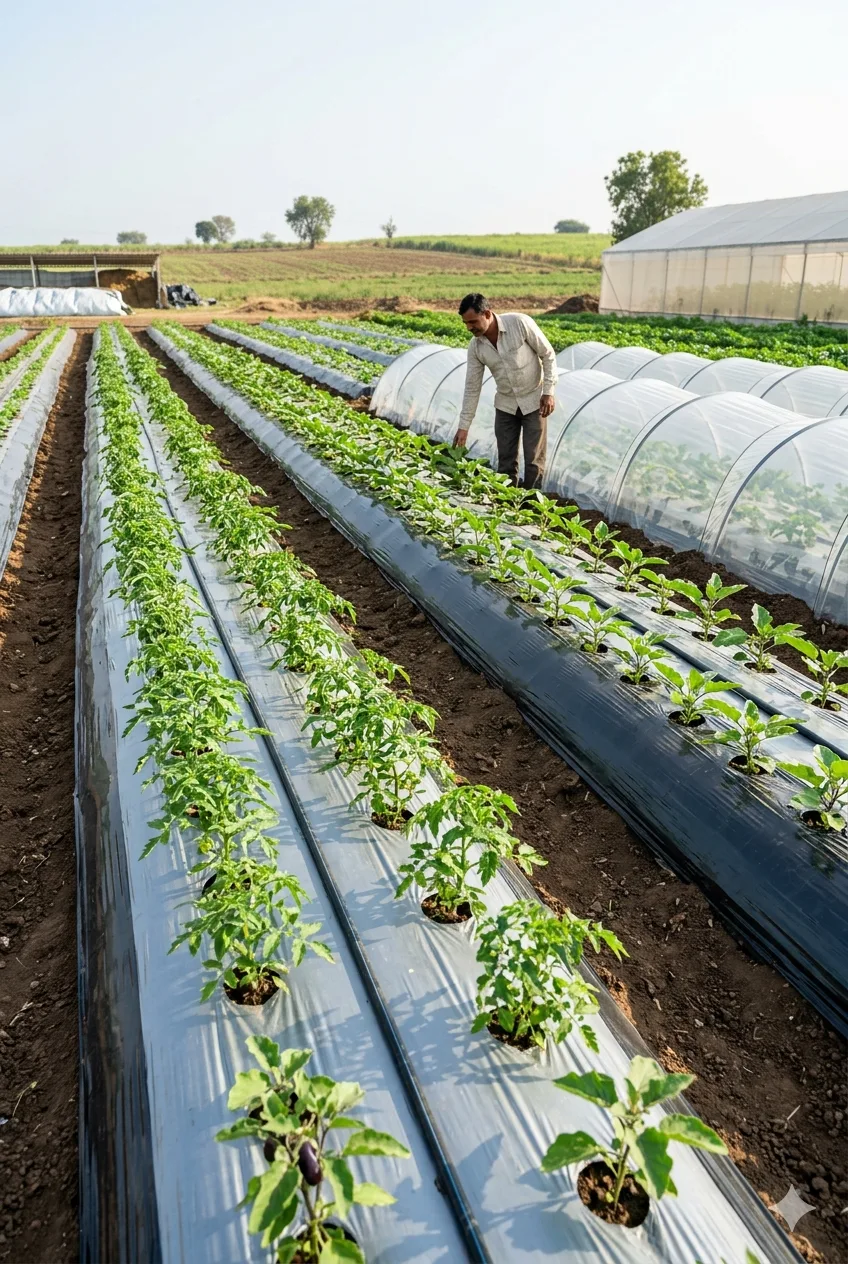
Water scarcity is one of the most pressing challenges facing agriculture across Africa. With unpredictable rainfall patterns, prolonged droughts, and increasing temperatures, farmers are under constant pressure to produce more crops using limited water resources. Efficient water management has become essential for sustainable farming and food security.
One innovative and highly effective solution is the use of mulch film as a smart irrigation partner. This advanced agricultural practice is helping African farmers conserve water, improve soil health, and boost crop yields. In this article, we explore how mulch film in Africa is transforming irrigation practices and why it is becoming a key tool for modern agriculture.
Understanding Water Challenges in African Agriculture
Africa is home to diverse climatic zones, many of which are prone to water shortages. Countries like Kenya, Nigeria, Ethiopia, and South Africa frequently experience drought conditions that impact crop production.
Major water-related challenges include:
- Irregular rainfall and climate change
- High evaporation rates due to extreme heat
- Limited access to irrigation systems
- Poor water management practices
- Depletion of groundwater resources
These issues highlight the urgent need for water-saving farming techniques in Africa, and mulch film is emerging as one of the most reliable solutions.
What is Mulch Film and How Does It Work?
Mulch film is a thin plastic sheet applied over the soil surface around crops. It acts as a protective layer that conserves moisture, regulates soil temperature, and prevents weed growth.
Types of mulch films commonly used in Africa include:
- Black mulch film
- Silver/black mulch film
- Biodegradable mulch film
- UV-resistant mulch film
These films are specially engineered to withstand harsh environmental conditions and support efficient farming.
Mulch Film as a Smart Irrigation Partner
Mulch film does not replace irrigation systems—it enhances them. When combined with irrigation methods such as drip irrigation, mulch film significantly improves water efficiency.
1. Reduces Water Evaporation
One of the biggest causes of water loss in agriculture is evaporation. Under hot African climates, a large portion of irrigation water evaporates before it reaches plant roots.
Mulch film helps by:
- Covering the soil surface
- Reducing direct sunlight exposure
- Maintaining consistent moisture levels
This makes moisture retention farming in Africa far more effective.
2. Improves Water Use Efficiency
When mulch film is used alongside drip irrigation, water is delivered directly to the root zone and retained in the soil for longer periods.
Benefits include:
- Reduced water wastage
- Lower irrigation frequency
- Better crop hydration
Farmers can save up to 30–50% of water using agricultural mulch film in Africa.
3. Prevents Soil Moisture Loss
Mulch film creates a barrier that prevents moisture from escaping into the atmosphere. This is especially useful during dry seasons when water availability is limited.
Key advantages:
- Consistent soil moisture levels
- Reduced plant stress
- Improved crop growth
4. Enhances Irrigation Efficiency
Traditional irrigation methods often result in uneven water distribution. Mulch film ensures that water remains concentrated around plant roots.
This leads to:
- Uniform crop growth
- Efficient nutrient absorption
- Higher productivity
Using plastic mulch film benefits in irrigation systems can significantly improve farming outcomes.
5. Supports Drip Irrigation Systems
Drip irrigation is already known for its water-saving benefits. When combined with mulch film, its efficiency increases even further.
Combined benefits:
- Minimal water loss
- Precise water delivery
- Reduced weed growth
- Lower labor costs
This combination is ideal for sustainable agriculture in Africa.
Additional Benefits of Mulch Film Beyond Water Saving
1. Weed Control
Mulch film blocks sunlight, preventing weed growth. This reduces competition for water and nutrients.
2. Soil Temperature Regulation
It keeps soil warm during cooler periods and prevents overheating in extreme heat.
3. Improved Soil Fertility
By retaining moisture and reducing erosion, mulch film helps maintain soil nutrients.
4. Better Crop Quality
Crops grown with mulch film are cleaner, healthier, and more uniform.
Role of Tilak Polypack in Supporting African Farmers
When it comes to high-quality mulch film solutions, Tilak Polypack is a trusted name in the industry. The company offers advanced mulch film products designed specifically for challenging agricultural conditions.
Why choose Tilak Polypack?
- Premium quality mulch films
- UV-resistant and durable materials
- Custom sizes and thickness options
- Suitable for African climates
- Cost-effective solutions
Tilak Polypack is committed to helping farmers adopt smart irrigation solutions in Africa by providing reliable and efficient mulch film technology.
Best Crops for Mulch Film Irrigation in Africa
Mulch film combined with irrigation works exceptionally well for:
- Tomatoes
- Peppers
- Cucumbers
- Watermelon
- Strawberries
- Maize
These crops require consistent moisture and benefit greatly from improved water management.
Economic Benefits for African Farmers
Using mulch film as part of irrigation systems offers several financial advantages:
- Reduced water costs
- Lower labor expenses
- Decreased use of herbicides
- Increased crop yield and profitability
Farmers investing in mulch film manufacturers like Tilak Polypack can achieve long-term cost savings and better returns.
Challenges and Practical Solutions
Challenges:
- Initial cost of mulch film installation
- Limited awareness in rural areas
- Disposal concerns for plastic films
Solutions:
- Government subsidies and agricultural programs
- Farmer training and education
- Adoption of biodegradable mulch films
With the right support, these challenges can be effectively managed.
Future of Water-Saving Agriculture in Africa
The future of African agriculture depends on efficient resource management. Technologies like mulch film are expected to play a crucial role in:
- Climate-resilient farming
- Water conservation strategies
- Sustainable food production
- Improved farmer livelihoods
As awareness increases, more farmers are adopting advanced mulch film technology to overcome water challenges.
Conclusion
Water scarcity is a growing concern for African agriculture, but innovative solutions like mulch film offer a powerful way forward. Acting as a smart irrigation partner, mulch film enhances water efficiency, reduces waste, and supports healthier crop growth.
By integrating mulch film with modern irrigation systems, farmers can significantly improve productivity while conserving precious water resources.
Choosing high-quality products from trusted brands like Tilak Polypack ensures long-lasting performance and better farming outcomes. With the right approach, mulch film can transform African agriculture into a more sustainable and profitable sector.