
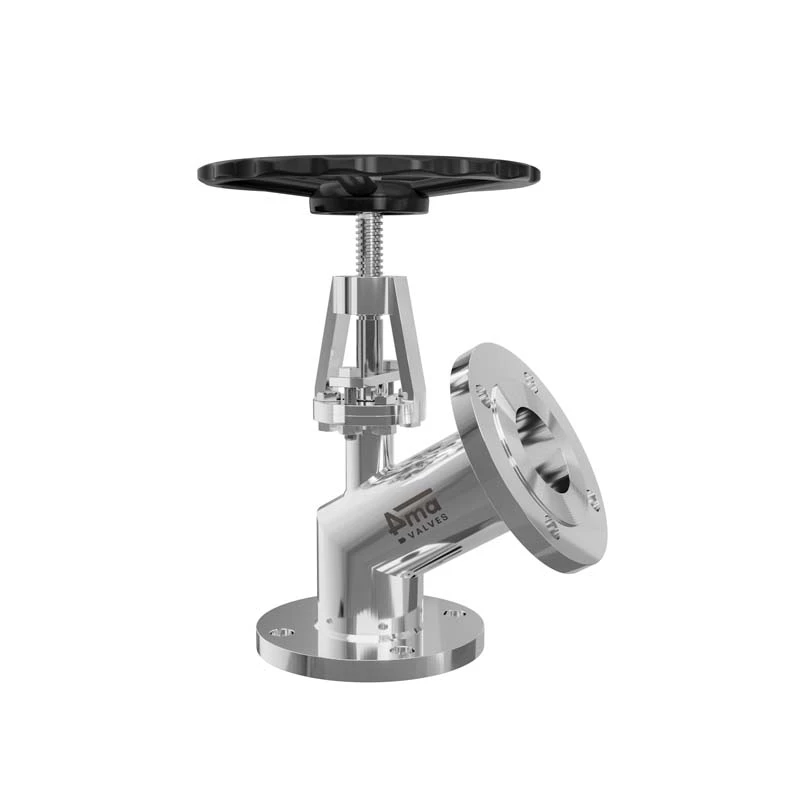
In industries like food and beverage, pharmaceuticals, and biotechnology, maintaining hygiene and product purity is critical. One of the most essential components in ensuring sanitary conditions in these industries is the sanitary valve.
Sanitary valves are specially designed to provide a high level of hygiene while controlling the flow of liquids or gases in a variety of processing applications. This blog post will explore the key features and benefits of sanitary valves, highlighting their importance in hygienic processing and why industries should choose the right sanitary valve manufacturer in India.
Key Features of Sanitary Valves
High-Quality Materials Sanitary valves are made from materials that meet strict hygiene standards, such as stainless steel. These materials resist corrosion and bacterial growth, ensuring that the valves remain clean and functional even in harsh conditions. Stainless steel, for instance, is non-reactive, ensuring that it does not affect the quality or taste of food and beverages or the integrity of pharmaceuticals.
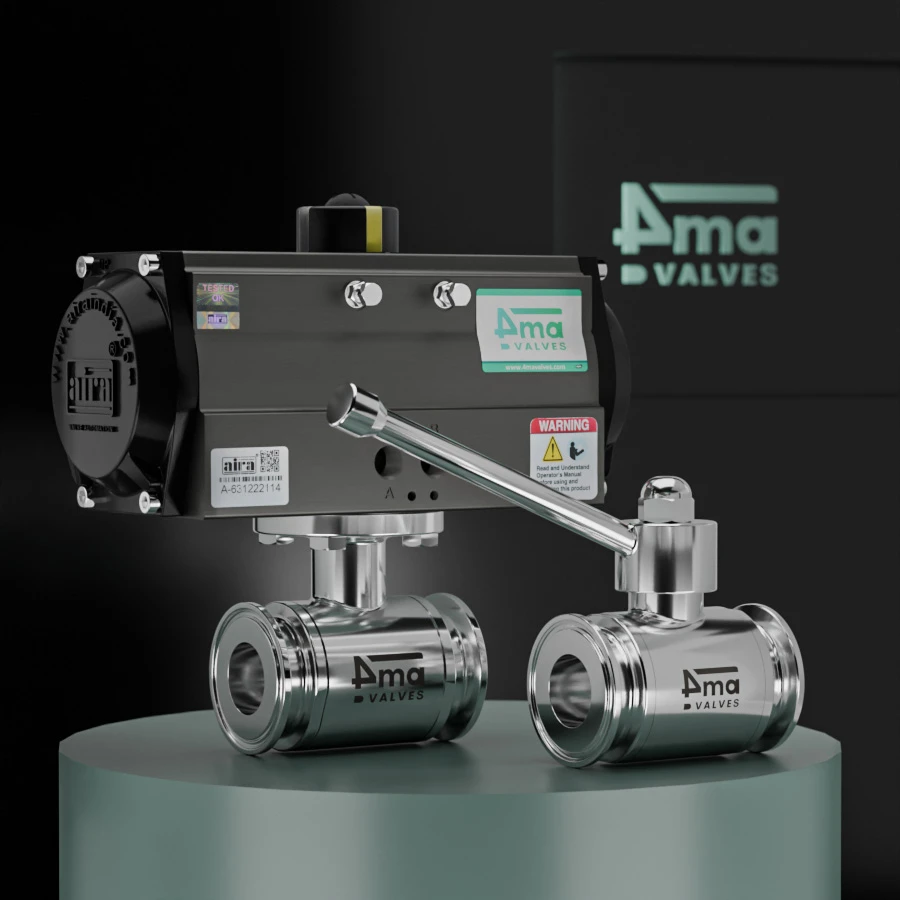
Easy to Clean and Maintain The design of sanitary valves is tailored for easy cleaning and maintenance. Most sanitary valves feature a smooth, crevice-free surface that minimizes the risk of contamination. These valves can be easily cleaned using automated CIP (clean-in-place) systems without the need for disassembly, ensuring that the processing line remains sterile with minimal downtime.
Leak-Proof Design Sanitary valves are engineered to be leak-proof, which is a critical feature in industries where even a small leak can result in contamination. These valves are designed with high-quality seals and gaskets that prevent any leakage of fluids or gases, ensuring that the system remains fully sanitary.
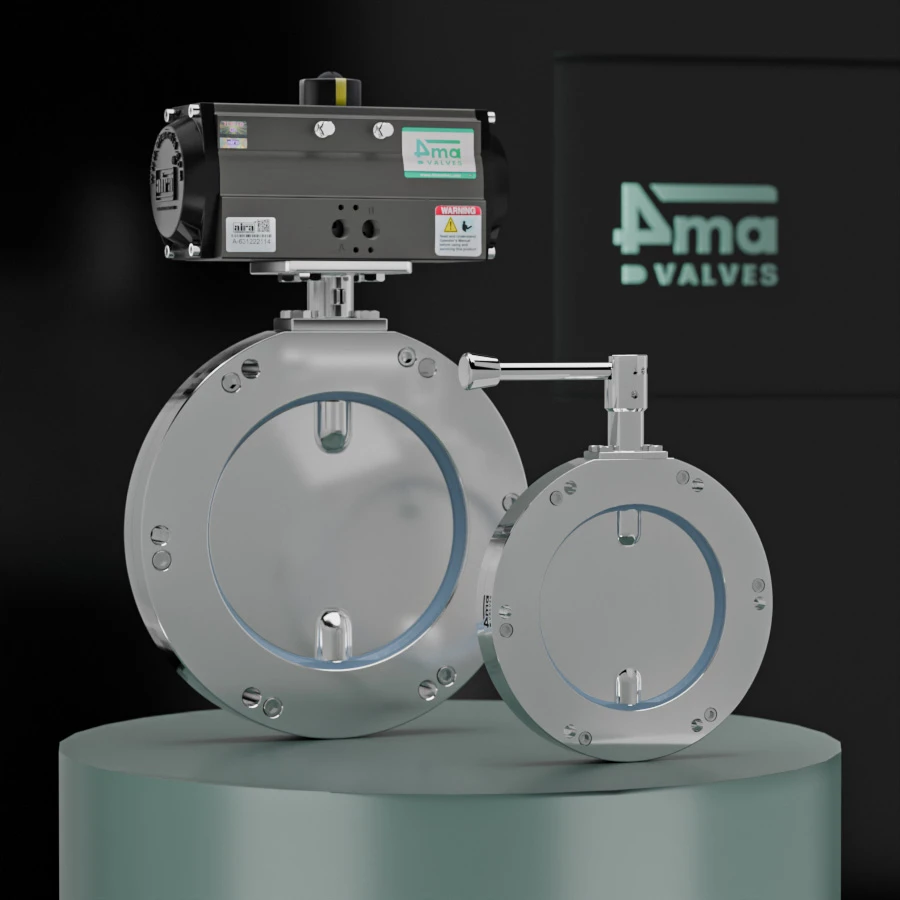
Versatility Sanitary valves are highly versatile and can be used in various applications, including controlling the flow of liquids, gases, and powders in food processing, pharmaceutical manufacturing, and biotechnological processes. Whether for the production of dairy products, beer, or medical devices, sanitary valves provide reliable control over critical processes.
Variety of Valve Types Sanitary valves come in various types, including ball valves, butterfly valves, diaphragm valves, and check valves. Each type of valve offers different benefits depending on the specific needs of the process. For example, diaphragm valves are excellent for controlling precise flow rates, while ball valves are ideal for applications that require quick shutoff.
Benefits of Sanitary Valves for Hygienic Processing
Maintains Product Integrity Sanitary valves ensure that products remain pure and uncontaminated during processing. In industries like food and beverage and pharmaceuticals, where product integrity is paramount, using sanitary valves is essential to maintaining the highest standards of hygiene and safety. By preventing contamination, these valves ensure that the final product meets regulatory standards and consumer expectations.
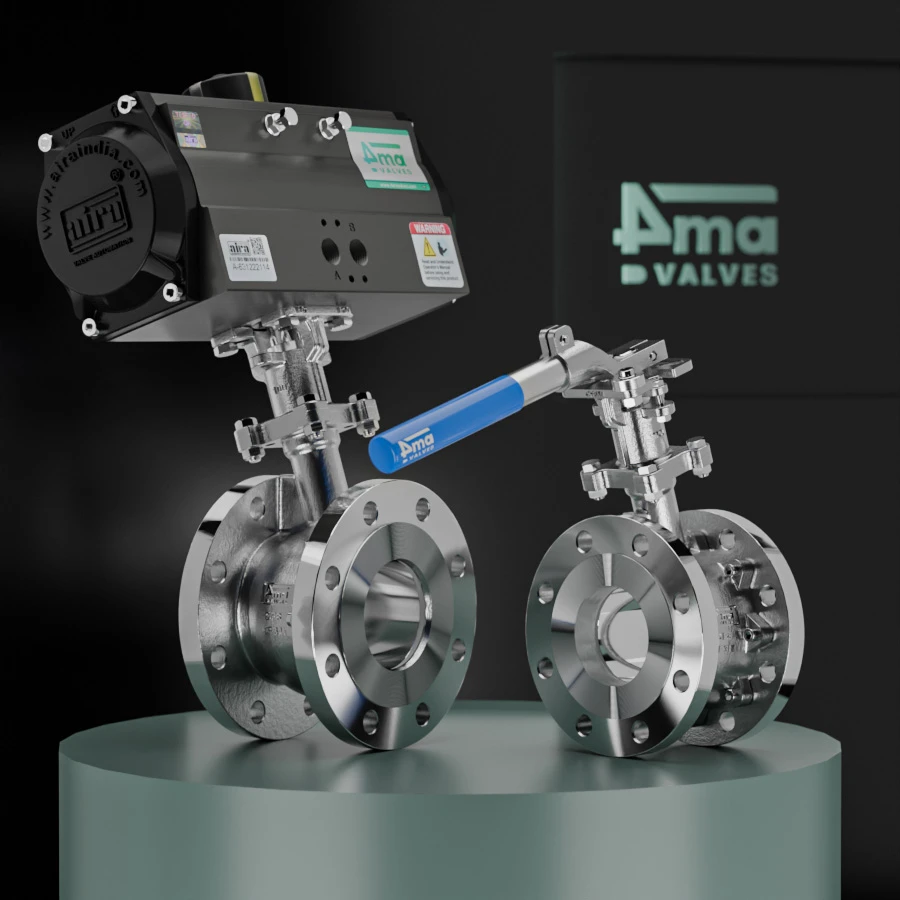
Compliance with Industry Standards Sanitary valves are designed to comply with international standards, such as the FDA (Food and Drug Administration) and GMP (Good Manufacturing Practice), making them essential for industries that require certification for hygienic practices. By using sanitary valves, manufacturers ensure that their processes meet the necessary health and safety regulations, preventing costly recalls and ensuring public safety.
Increased Process Efficiency The use of sanitary valves reduces the risk of contamination and downtime in processing lines, resulting in greater overall efficiency. Because these valves are easy to clean and maintain, businesses can reduce maintenance costs and avoid production delays caused by equipment failure or contamination. This contributes to a more cost-effective and efficient production process.
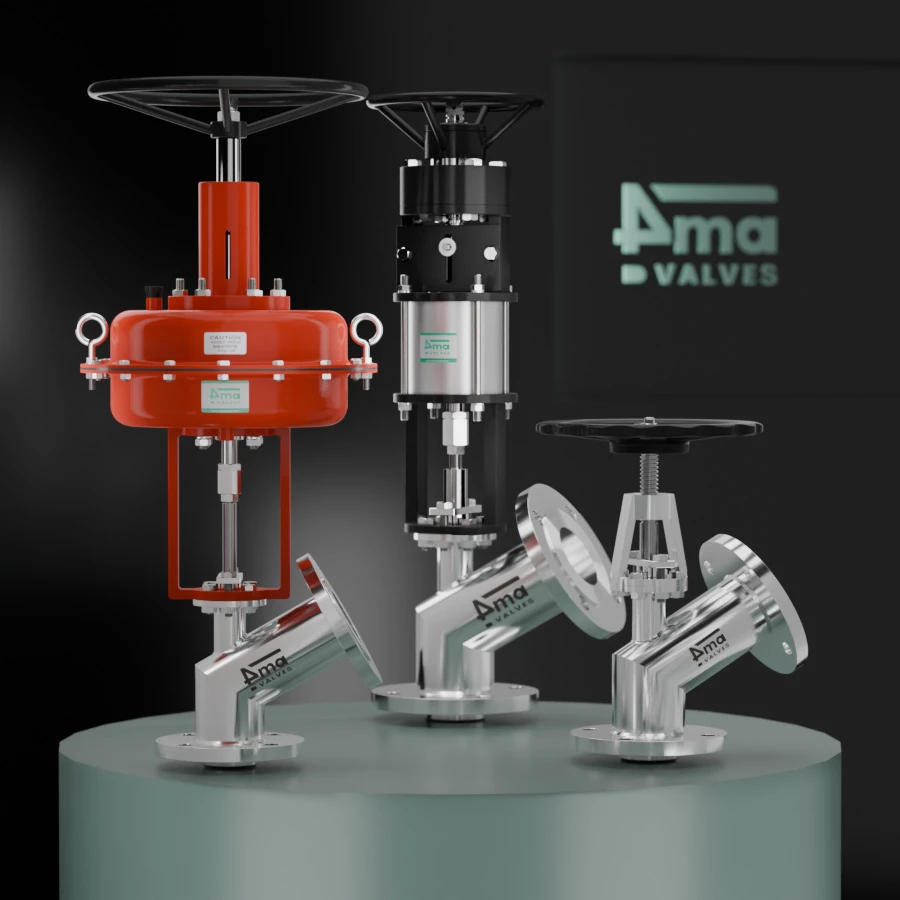
Improved Safety By preventing leaks and contamination, sanitary valves enhance safety in the workplace. The design of these valves ensures that harmful substances do not spill, reducing the risk of accidents and ensuring the safety of workers handling sensitive materials. The durable materials used in sanitary valves also prevent the risk of equipment failure during critical processes.
Cost-Effective in the Long Run While sanitary valves may have a higher initial cost compared to standard valves, their long-term benefits outweigh the investment. With improved durability, ease of cleaning, and enhanced hygiene, these valves reduce the need for frequent replacements, cleaning chemicals, and downtime, ultimately leading to significant cost savings over time.
Why Choose a Sanitary Valve Manufacturer in India?
India is home to several reputable sanitary valve manufacturers that provide high-quality products designed to meet global hygiene standards. A sanitary valve manufacturer in India ensures that businesses have access to competitively priced, reliable, and durable sanitary valves that are suitable for a variety of processing applications. These manufacturers are experienced in providing tailored solutions to meet the specific needs of industries such as food and beverage, pharmaceuticals, and biotechnology.
Conclusion
Sanitary valves are indispensable components in maintaining the highest levels of hygiene in processing industries. With their high-quality materials, easy maintenance, leak-proof design, and versatility, they ensure that industries can meet stringent safety and hygiene standards. Choosing the right sanitary valve manufacturer in India can help businesses maintain product integrity, comply with industry regulations, and improve process efficiency, leading to long-term success and cost savings.
By investing in high-quality sanitary valves, industries can ensure that their operations remain clean, safe, and efficient, ultimately improving product quality and customer satisfaction.