
Jainism is one of the most ancient religions in the world. It teaches the path of non-violence, truth, self-discipline, and spiritual purity. Pilgrimage, known as Tirth Yatra, holds a very special place in Jain tradition. Devotees visit sacred places associated with the lives and liberation of the Tirthankaras to strengthen their faith and move closer to spiritual liberation. Among the many Jain pilgrimage sites, Sammed Shikharji and Ashtapad are considered extremely sacred. These holy places are deeply connected with the attainment of moksha (liberation) of several Tirthankaras. A journey to these sacred mountains is believed to purify the soul, remove negative karma, and inspire spiritual awakening. This article explains the importance, history, and spiritual value of the Sammed Shikharji and Ashtapad Yatra in simple language.
Importance of Pilgrimage in Jainism
In Jain philosophy, spiritual progress is achieved through self-discipline, meditation, and detachment from worldly desires. Pilgrimages help devotees remember the lives and teachings of the Tirthankaras who showed the path to liberation. When devotees visit sacred sites, they practice devotion, prayer, fasting, and meditation. Walking through holy mountains and temples reminds them of the spiritual achievements of enlightened souls. It also encourages them to live a life of compassion and non-violence. Among all Jain pilgrimage destinations, Sammed Shikharji and Ashtapad hold exceptional importance because they are directly associated with the liberation of many Tirthankaras.
Sammed Shikharji – The Holiest Jain Pilgrimage

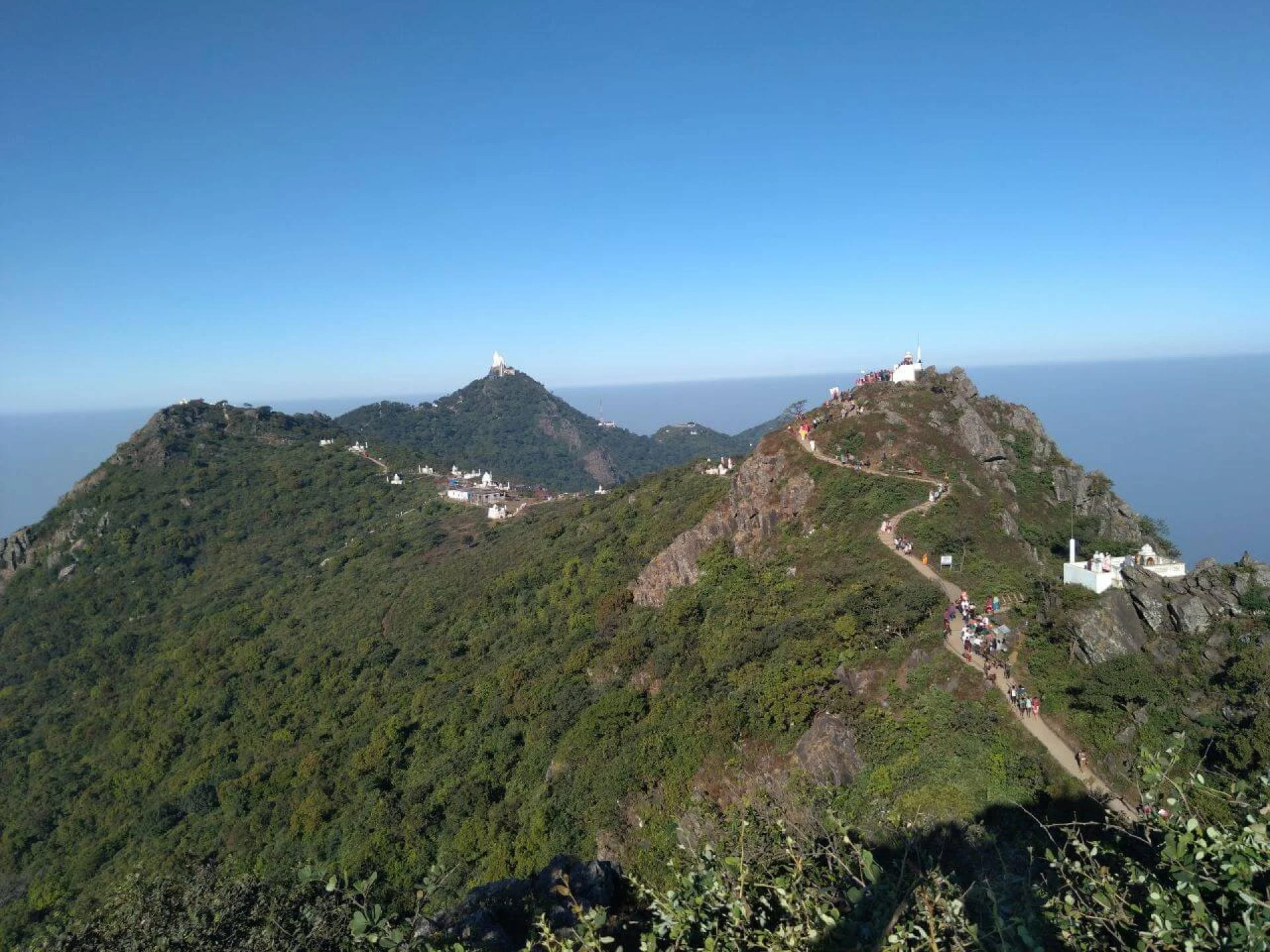
Sammed Shikharji, also known as Shikharji, is one of the most sacred Jain pilgrimage sites. It is located in the Giridih district of Jharkhand, on a mountain called Parasnath Hill. According to Jain scriptures, 20 out of the 24 Tirthankaras attained moksha at this holy mountain. Because of this, Sammed Shikharji is considered the most important pilgrimage site for Jains.
Spiritual Significance
Every Jain aspires to visit Sammed Shikharji at least once in their lifetime. It is believed that performing the pilgrimage with devotion brings spiritual purification and immense religious merit. The mountain is filled with sacred spots called Tonks, which mark the places where the Tirthankaras achieved liberation. Devotees walk through the mountain path while chanting prayers and remembering the teachings of the enlightened souls. The peaceful environment and spiritual atmosphere make the journey deeply meaningful for pilgrims.
The Sacred Trek of Sammed Shikharji
The pilgrimage to Sammed Shikharji is not just a temple visit but a spiritual trek. The journey usually begins from Madhuban, a small town at the base of the mountain. Pilgrims walk about 27 kilometers (round trip) to reach the summit and visit all the sacred Tonks. The path passes through forests and hills, creating a calm and spiritual environment. Many devotees prefer to complete the pilgrimage barefoot as a sign of devotion and humility. Along the route, they stop at different Tonks to offer prayers and meditate. The journey requires physical effort, but pilgrims believe the spiritual reward is far greater.
Main Tonks at Sammed Shikharji
The mountain has many Tonks dedicated to the Tirthankaras who attained liberation here. Some of the important Tonks include:
- Parshwanath Tonk – Dedicated to Lord Parshwanath, the 23rd Tirthankara.
- Kunthunath Tonk – Associated with the 17th Tirthankara.
- Chandraprabhu Tonk – Dedicated to the 8th Tirthankara.
- Mallinath Tonk – Connected to the 19th Tirthankara.
The highest point of the mountain is the Parshwanath Tonk, which is considered the most sacred spot. Pilgrims feel a deep sense of peace and devotion when they reach the summit.
Ashtapad – The Sacred Mountain of Lord Rishabhdev

While Sammed Shikharji is associated with many Tirthankaras, Ashtapad holds special importance because it is believed to be the place where Lord Rishabhdev (Adinath), the first Tirthankara, attained liberation. Ashtapad is traditionally believed to be located near Mount Kailash in the Himalayas. According to Jain texts, the mountain had eight steps or terraces, which is why it is called Ashtapad, meaning “eight steps.”
Historical and Spiritual Importance
Lord Rishabhdev is considered the founder of the Jain spiritual tradition. He taught humanity important skills such as agriculture, crafts, and social organization. He also showed the path of spiritual liberation. After years of meditation and spiritual practice, Lord Rishabhdev attained moksha at Ashtapad. Because of this, the mountain became one of the most sacred sites in Jainism. Ancient texts also mention that King Bharata, the son of Lord Rishabhdev, built a grand temple at Ashtapad to honor his father.
Symbolic Representation of Ashtapad
Today, the exact location of the original Ashtapad temple is difficult to access because the region lies in the remote Himalayan area near Mount Kailash. For this reason, many Jain temples across India have built symbolic representations of Ashtapad. These replicas allow devotees to experience the spiritual significance of the sacred mountain. Some well-known Ashtapad replicas can be seen in Jain temples and pilgrimage complexes where devotees perform prayers and meditation. These symbolic temples help preserve the memory and devotion associated with the holy mountain.
Spiritual Meaning of the Sammed Shikharji and Ashtapad Yatra
The combined pilgrimage of Sammed Shikharji and Ashtapad represents the highest spiritual ideals of Jainism. Sammed Shikharji reminds devotees of the liberation of twenty Tirthankaras, while Ashtapad honors Lord Rishabhdev, the first spiritual teacher. Together, these sacred places represent the journey of the soul from worldly attachment to ultimate liberation. Pilgrims who undertake this yatra do not simply travel to temples. They walk the path of devotion, discipline, and self-reflection. The journey encourages devotees to practice Jain values such as:
- Non-violence (Ahimsa)
- Truth (Satya)
- Non-attachment (Aparigraha)
- Self-discipline (Tapasya)
Best Time to Visit
The best time to undertake the Sammed Shikharji pilgrimage is between October and March. During these months, the weather is pleasant and suitable for trekking. Many devotees also visit during important Jain festivals such as Paryushan and Mahavir Jayanti, when the spiritual atmosphere becomes even more vibrant. Pilgrims often travel in groups with spiritual guides who explain the importance of each sacred spot.
Pilgrimage Experience for Devotees
For many Jain families, visiting Sammed Shikharji is a lifelong dream. The journey often becomes a deeply emotional and spiritual experience. Walking through the sacred mountain paths, chanting prayers, and remembering the teachings of the Tirthankaras creates a strong feeling of devotion. Many devotees also perform fasting, meditation, and charity during the pilgrimage. The yatra not only strengthens religious faith but also inspires pilgrims to live a more ethical and compassionate life.
Conclusion
The Sammed Shikharji and Ashtapad Yatra is one of the most sacred journeys in Jainism. These holy mountains are closely connected with the liberation of the Tirthankaras and the spiritual history of the Jain tradition. Sammed Shikharji represents the place where twenty Tirthankaras attained moksha, while Ashtapad honors Lord Rishabhdev, the first Tirthankara. For Jain devotees, visiting these sacred sites is not just a religious journey but a path toward spiritual awakening. The pilgrimage reminds them of the teachings of the enlightened souls and encourages them to follow the values of non-violence, truth, and self-discipline. Even today, thousands of devotees undertake this sacred yatra with deep faith and devotion, keeping alive the timeless spiritual heritage of Jainism.