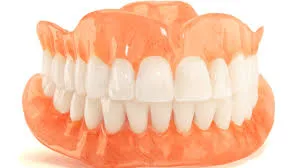

Losing a tooth—or facing the prospect of losing one—can feel like a significant setback. For a long time, restoring that smile meant months of waiting, multiple procedures, and temporary fixes that never quite felt right. Now, immediate dental implants have changed that equation entirely. Patients are walking into clinics with gaps or failing teeth and leaving the same day with a fully restored smile. And as modern dental approaches increasingly pair implants with complementary treatments like myofunctional therapy to support oral function and healing, the outcomes are better than ever.
This guide covers everything you need to know: how immediate implants work, what the process looks like, who qualifies, and how to care for your new smile long-term.
Immediate vs. Traditional Dental Implants
Traditional implant procedures follow a staged approach. First, the damaged tooth is extracted. Then the patient waits several months for the socket to heal before an implant is placed. After that, another healing period follows before a permanent crown is fitted. From start to finish, the whole process can stretch across six to twelve months.
Immediate dental implants compress this timeline dramatically. The implant is placed directly into the extraction socket on the same day the tooth is removed—often with a temporary crown attached immediately. This means fewer appointments, less waiting, and a functional, natural-looking tooth in a single visit.
The key difference lies in timing and technique. Immediate loading requires precise planning, high implant stability at the time of placement, and a healthy enough bone structure to support early function. When those conditions are met, the results are both fast and durable.
The Single-Day Process, Step by Step
A same-day smile transformation is more involved than a standard dental appointment, but it follows a clear and well-established sequence:
1. Assessment and imaging
Before anything else, your dentist will take detailed 3D scans of your jaw and teeth. These images map out bone density, nerve positions, and socket dimensions to plan the implant placement precisely.
2. Tooth extraction (if needed)
If the existing tooth is still present, it is removed as gently as possible to preserve the surrounding bone and tissue.
3. Implant placement
A titanium post is inserted into the socket. The dentist targets areas of dense bone to achieve the stability needed for immediate loading.
4. Temporary crown attachment
A provisional crown—carefully shaped to avoid excess pressure on the implant while it heals—is fitted the same day. It looks natural and restores basic function immediately.
5. Review and aftercare planning
Before you leave, your care team will walk you through eating guidelines, oral hygiene routines, and follow-up appointments. A permanent crown typically replaces the temporary one after a few months, once osseointegration (the process of the implant fusing with the bone) is complete.
Key Benefits of Immediate Dental Implants
Reduced Treatment Time
The most obvious advantage is speed. Patients who previously faced nearly a year of dental work can now complete the essential stages in a single day. Fewer visits also means less disruption to daily life.
Immediate Aesthetic Improvement
Walking out with a natural-looking tooth matters—not just cosmetically, but psychologically. Confidence returns quickly, and patients avoid the self-consciousness that often accompanies wearing a temporary denture or living with a visible gap.
Bone Preservation
When a tooth is lost and an implant is not placed promptly, the jawbone in that area begins to deteriorate. Placing an implant immediately after extraction helps maintain bone volume, which protects the shape of your face and supports the surrounding teeth.
Fewer Surgical Interventions
Because extraction and implant placement happen in one procedure, patients experience fewer surgeries overall—which typically means less discomfort and a more straightforward recovery.
Who Is a Good Candidate?
Immediate dental implants are not suitable for everyone. Candidacy depends on several factors that your dentist will assess during the initial consultation.
Good candidates generally:
- Have sufficient bone density and volume at the implant site
- Are in good overall health with no uncontrolled systemic conditions
- Do not smoke heavily (smoking significantly impairs healing)
- Have healthy gum tissue with no active infection or advanced periodontal disease
- Can commit to the follow-up care and dietary adjustments required during healing
Immediate loading may not be appropriate if:
- The extraction site shows signs of acute infection
- Bone loss is severe and would require extensive grafting beforehand
- The patient has conditions such as uncontrolled diabetes or autoimmune disorders that affect healing
- There is insufficient primary implant stability at the time of placement
Your dentist may recommend a modified approach—such as placing the implant without immediately attaching a crown—if the clinical picture calls for extra caution.
Aftercare and Long-Term Maintenance
Getting your implant placed is only the beginning. How you care for it in the weeks and months that follow has a significant impact on its long-term success.
In the First Few Weeks
- Stick to soft foods and avoid biting directly on the implant site
- Rinse gently with warm salt water to keep the area clean
- Avoid smoking and alcohol, which can interfere with healing
- Attend all scheduled follow-up appointments
Ongoing Oral Hygiene
Implants do not decay, but the gum tissue and bone around them can still be affected by plaque and bacteria. Brushing twice daily, flossing carefully around the implant, and using an antibacterial mouthwash all help maintain the health of the surrounding tissue.
Long-Term Check-Ups
Your dentist will monitor the implant through regular X-rays and clinical checks. Most implants last fifteen to twenty-five years or longer with proper care—some patients keep them for life.
Bite and Function
If you experience any discomfort, unusual pressure, or changes in how your teeth meet, flag it early. Issues with bite alignment can place stress on the implant and surrounding bone if left unaddressed.
A New Smile Changes More Than You Think
The impact of immediate dental implants reaches further than the mouth. Patients consistently report that restoring a missing or failing tooth—quickly and with minimal disruption—brings a measurable boost to confidence and quality of life. A same-day smile transformation is not simply a cosmetic upgrade; it is a return to eating, speaking, and engaging with the world without hesitation.
Modern dentistry has made this possible with a level of precision and predictability that was unimaginable even a decade ago. If you have been putting off treatment because the process seemed too long or too complicated, it is worth having a conversation with a qualified implant dentist. For the right candidate, same-day implants offer a path to a healthier, more confident smile—starting today.