
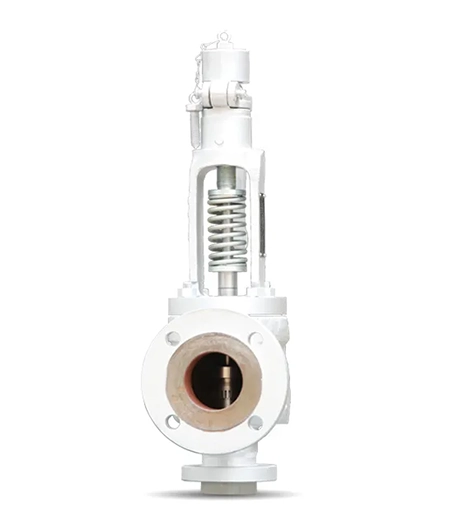
Power plants operate in some of the most demanding industrial environments, where systems are exposed to extreme pressures and temperatures. Steam boilers, pressure vessels, turbines, and piping networks must function safely under continuous stress. In such conditions, Safety Relief Valves serve as critical protective devices that prevent catastrophic overpressure incidents. However, their effectiveness depends heavily on regular testing and inspection. Understanding and following proper testing requirements is essential to ensure plant safety, equipment reliability, and regulatory compliance.
Why Safety Relief Valve Testing Is Critical in Power Plants
Safety Relief Valves are designed to remain closed during normal operation and activate only when pressure exceeds safe limits. Because these valves are rarely used, internal degradation can occur without visible signs. Factors such as corrosion, scale buildup, spring fatigue, vibration, and thermal cycling can affect valve performance over time.
In power plants, failure of a single safety valve can lead to boiler damage, forced outages, or dangerous pressure releases. Testing verifies that valves open at the correct set pressure, discharge adequately, and reseat properly after activation. This proactive approach reduces risk and ensures system readiness during emergency conditions.
Regulatory Standards and Compliance Requirements
Power plant operators must comply with multiple international and local safety standards governing Safety Relief Valve testing. Codes such as the ASME Boiler and Pressure Vessel Code, API standards, and national power authority regulations specify testing methods, intervals, and acceptance criteria.
These standards define allowable tolerances for set pressure deviation, leakage limits, and reseating performance. Non-compliance can result in fines, operational restrictions, loss of certifications, or even plant shutdowns. Regular testing ensures adherence to these standards and demonstrates a commitment to safety.
Types of Safety Relief Valve Testing Methods
Different testing methods are used depending on valve type, plant design, and operational constraints.
Bench Testing
Bench testing involves removing the valve from the system and testing it in a controlled environment. This method provides precise measurement of set pressure, blowdown, and seat tightness. Bench testing is usually performed during scheduled outages or major maintenance periods.
This approach allows thorough inspection and refurbishment if required but may increase downtime and maintenance costs.
In-Situ Testing
In-situ testing allows Safety Relief Valves to be tested while still installed in the system. This method minimizes downtime and avoids disturbing piping connections. It is commonly used for frequent verification of valve performance.
While convenient, in-situ testing requires specialized equipment and skilled technicians to ensure accurate and safe execution.
Functional and Visual Inspection
In addition to pressure testing, functional and visual inspections are performed to check for corrosion, leakage, misalignment, or damaged components. These inspections help identify mechanical issues that may not be evident during pressure testing alone.
Testing Frequency and Scheduling
The frequency of Safety Relief Valve testing in power plants depends on operating pressure, temperature, system criticality, and regulatory requirements. High-pressure boiler valves typically require annual testing, while less critical systems may follow longer intervals.
Many power plants align testing schedules with planned shutdowns to reduce operational impact. Establishing a consistent testing program helps maintain system integrity and avoids unexpected failures during peak load conditions.
Documentation and Traceability
Accurate documentation is a vital component of Safety Relief Valve testing programs. Records should include valve identification, set pressure values, test dates, results, corrective actions, and approval signatures.
Proper documentation supports regulatory audits, maintenance planning, and root cause analysis. Historical test data also helps engineers detect performance trends and optimize maintenance strategies.
Common Problems Identified During Testing
Testing frequently reveals issues such as incorrect set pressure, seat leakage, spring relaxation, corrosion, or improper installation. In power plant environments, exposure to high-temperature steam and contaminants accelerates wear.
Identifying these issues early allows maintenance teams to repair or replace valves before they compromise system safety or efficiency.
Importance of Skilled Personnel and Calibration
Safety Relief Valve testing must be performed by trained professionals using calibrated equipment. Incorrect testing procedures can damage valves or produce inaccurate results, leading to false confidence in system safety.
Proper training ensures technicians understand valve behavior, testing standards, and safety precautions. Regular calibration of testing equipment further ensures reliability and accuracy.
Impact on Plant Reliability and Efficiency
Reliable Safety Relief Valves contribute directly to overall plant reliability. By preventing overpressure damage, these valves reduce forced outages, extend equipment life, and support stable power generation.
Effective testing programs also help optimize maintenance budgets by preventing costly emergency repairs and unplanned shutdowns.
Conclusion
Safety Relief Valve testing is a fundamental requirement for safe and efficient power plant operation. Regular and compliant testing ensures valves perform correctly during overpressure events, protecting equipment, personnel, and production continuity. Implementing structured testing programs and working with trusted industry experts such as Vytal Controls helps power plants achieve long-term safety, reliability, and regulatory compliance.