

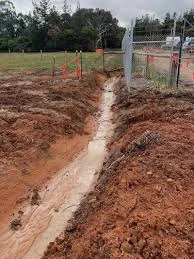
When we start a building project, we often focus on the big structures going up. But the most important part is actually the ground beneath us. Soil is the foundation for everything, yet it can easily be washed away by rain or blown away by wind. Having a simple erosion control plan is like giving the earth a protective blanket. It is a kind and responsible way to make sure our work does not cause problems for the land or the people living nearby. By taking care of the dirt today, we show respect for the environment and keep our project safe and steady.
How an Erosion Control Plan Works
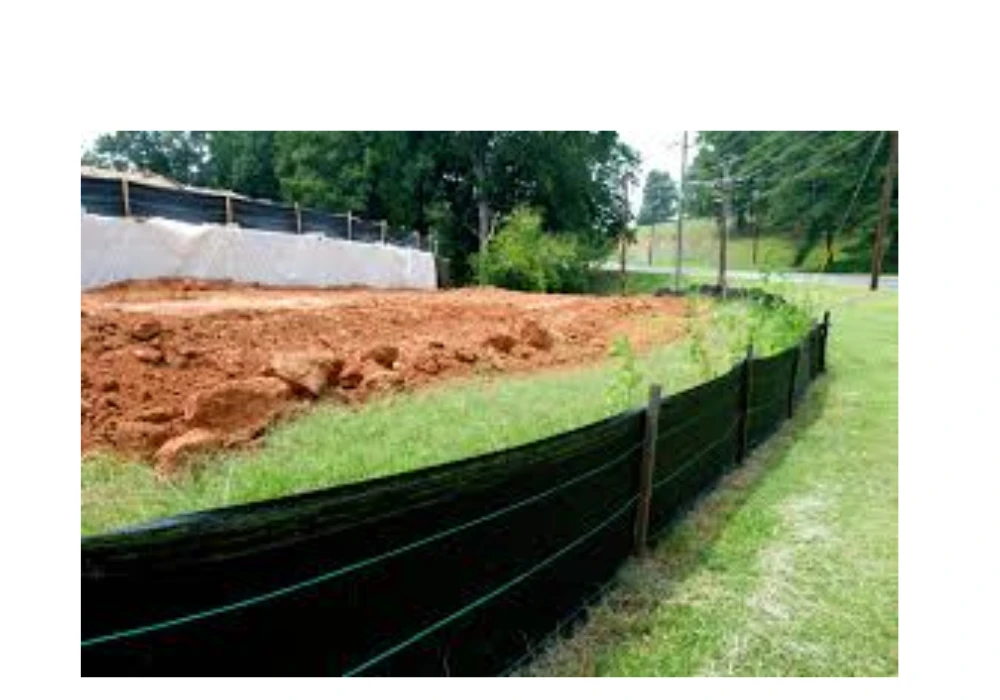
Think of an erosion control plan as a road map for keeping the soil where it belongs. When we dig or clear land, the ground loses its natural protection of grass and roots. To help out, we use easy tools like silt fences, which look like small fabric walls, or straw rolls called wattles. These help catch the soil before it can wash away. This kind of planning shows that we are being careful and thoughtful, making sure the site stays clean and organiser from the very first day.
Keeping Our Water Clean and Healthy
One of the biggest reasons to have an erosion control plan is to protect our local water. When mud washes off a construction site, it travels into drains and ends up in our local creeks and rivers. This can make the water dirty and harm the fish and plants that live there. By keeping the soil on the site, we are doing our part to keep the neighbourhood's water fresh and clear. It is a simple way to be a good neighbour and show that we care about the nature around us.
Being a Good Neighbour in the Community
No one likes to see mud and brown water flowing down their street after a rainstorm. It can be messy and even block up the pipes under the road. Following a clear plan helps prevent these issues before they start. When neighbours see that a site is being managed with care, they feel much more comfortable and happy about the new project. It builds a sense of trust and shows that the team in charge is professional and respects the people who live in the area.
Simple Ways to Protect the Land
There are many easy ways to stop erosion. Some teams use "hydro-seeding," which is just a fancy way of spraying a mix of seeds and mulch to grow grass quickly. Others put down gravel at the entrance of a site so trucks do not track mud onto the public roads. These steps are easy to understand and very effective. By using the right tools at the right time, we create a much safer and cleaner place for everyone to work. It makes the whole process smoother and prevents big messes that are hard to clean up later.
Building a Strong Foundation for the Future
A project that takes care of its soil is building for the long term. If the ground washes away, foundations can become weak and landscapes can be ruined. Putting an erosion control plan in place at the start is a smart way to protect the future of the building. It keeps the land stable and ready for whatever comes next. This careful approach is what makes a project successful and respected by everyone who sees it. It proves that we can build great things while still being gentle with the earth.
Conclusion: Respecting the Earth beneath Us
The ground is what connects all of us. While building involves changing the land, we can do it in a way that is clean and safe. By using a professional and simple approach to managing the soil, we protect our water, our neighbours, and our own hard work. It is all about looking after the small details to make sure the big picture stays beautiful. Let us build with a clear mind and a deep respect for the land, making sure every project is a positive step forward for the whole community.


