The Importance of Safe High-Capacity Charging in Modern Kitchens
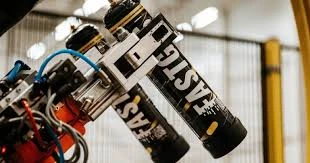
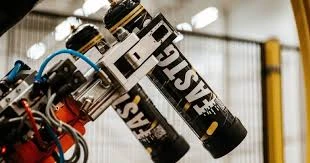
Modern professional kitchens work under constant pressure for speed and consistency. For this reason, many teams rely on Fastgas original cream charger 670g to keep their output steady while maintaining precise textures. This high-capacity format cuts down on constant cartridge changes and streamlines workflow. Additionally, stable pressure control helps chefs achieve reliable results in creams, foams, and sauces. As service demands increase, kitchens focus more on tools that combine efficiency with safety. Thus, understanding proper handling and daily use becomes vital for maintaining both performance and compliance. In high-turnover environments, having clear processes builds confidence and reduces unnecessary stress.
Why Kitchens Are Shifting to Bulk Charging Systems
The move toward bulk charging reflects the changing needs of high-volume service. When kitchens switch to Fastgas original cream charger 670g, they gain reliability that small cartridges often lack during busy hours. At the same time, larger formats like FastGas original cream charger 2000g support extended production without frequent interruptions. This way, preparation stays smooth even during long service periods. With less downtime, chefs can concentrate on quality and presentation rather than logistical delays, which ultimately boosts customer satisfaction and operational consistency across shifts. Over time, this reliability improves scheduling accuracy and enhances coordination between prep and service teams.
Safe Storage as the First Step in Responsible Use
Safe storage lays the groundwork for responsible use in any professional kitchen. Teams should always keep Fastgas original cream charger 670g in cool, dry, and well-ventilated areas, away from direct heat sources. Moreover, storing them upright prevents accidental rolling and stress on the valve. Clear labeling and dedicated storage zones can reduce handling errors. As a result, kitchens lower both physical risks and pressure instability. When staff stick to consistent storage routines, daily operations remain safer and more predictable, even during busy service times.
Correct Attachment and Controlled Gas Release
Proper attachment and controlled release are essential for safety and performance. Before use, staff should check fittings and regulators for compatibility with Fastgas original cream charger 670g to avoid leaks or loss of pressure. In larger operations, systems like FastGas original cream charger 2000g also require a disciplined approach to control gas flow accurately. Additionally, gradually opening valves helps prevent sudden pressure surges. Therefore, careful connection procedures protect both equipment and food quality while ensuring smooth, uninterrupted production.
Daily Cleaning and Preventive Maintenance Practices
Daily cleaning and routine checks are crucial for long-term reliability. After service, kitchens should disconnect Fastgas original cream charger 670g from dispensers and wipe connection points to prevent residue buildup. Regularly inspecting worn seals or loose components helps maintain consistent pressure delivery. Furthermore, consistent maintenance minimizes unexpected failures during busy hours. Since small issues can quickly affect output, proactive care ensures performance remains steady from the first dispense to the last throughout each shift.
The Role of Staff Training in Safe Operations
Staff training is vital for creating a safe and efficient workflow. When teams receive structured instruction on using Fastgas original cream charger 670g, they apply best practices consistently across all stations. High-capacity formats like FastGas original cream charger 2000g also need clear guidelines for pressure control and movement within the kitchen. As a result, trained staff work with greater confidence and speed. Moreover, standardized procedures reduce accidents, protect equipment, and ensure uniform product quality during all service times.
Long-Term Safety, Performance, and Operational Value
Long-term value comes from merging performance with safety habits. When kitchens include proper storage, careful operation, and ongoing training in their daily routines, they safeguard both staff and output quality. Over time, reduced downtime, steady texture control, and fewer equipment issues lead to better productivity. Consequently, modern professional kitchens achieve quicker preparation, consistent presentation, and reliable service without sacrificing safety standards, even under demanding conditions. This balance between speed and safety ultimately protects reputation, staff morale, and long-term kitchen profitability.