Choosing a diamond is a meaningful purchase, whether you are planning an engagement, creating a custom jewellery piece, or adding something special to your collection. However, finding the right stone requires more than selecting an attractive design. Buyers need to understand diamond quality, certification, pricing, and the characteristics that influence a stone's appearance.
Loose diamonds offer greater flexibility because you can select the stone first and decide how to set it later. This approach allows you to explore different shapes, sizes, and quality grades before committing to a finished piece of jewellery.
If you are considering purchasing a diamond, understanding a few essential factors can help you make a better decision and find a stone that suits your preferences and budget.
1. Understand the Four Cs of Diamond Quality
The Four Cs—cut, color, clarity, and carat weight—are the foundation of diamond evaluation. Each characteristic contributes to the stone's appearance and overall value.
Cut
Cut quality influences how effectively a diamond reflects light. A well-proportioned diamond usually displays greater brilliance, sparkle, and visual appeal.
When evaluating cut quality, consider:
- Overall proportions and symmetry
- Light reflection and brilliance
- Polish and finishing quality
- The grading report's cut assessment
A smaller diamond with excellent cutting can sometimes look more attractive than a larger stone with poor proportions.
Color
Diamond color describes the presence or absence of noticeable body color in traditionally graded white diamonds. The grading scale ranges from D, which is colorless, to Z, which represents light color.
Colorless diamonds generally command higher prices, but near-colorless options can offer excellent value. Your choice should also depend on the jewellery setting and personal preference.
For example, white gold and platinum settings can make warmer tones more noticeable, while yellow gold may complement slightly warmer diamonds.
Clarity
Clarity refers to natural internal characteristics called inclusions and external marks known as blemishes.
Diamond clarity grades include:
- Flawless (FL)
- Internally Flawless (IF)
- Very Slightly Included (VVS)
- Slightly Included (SI)
- Included (I)
Not every inclusion affects a diamond's beauty in the same way. Some imperfections are difficult to notice without magnification. Therefore, examining actual images and videos can help you understand whether a particular clarity grade meets your expectations.
Carat Weight
Carat measures the weight of a diamond rather than its exact physical size. Larger stones are generally more expensive because high-quality diamonds become less common as weight increases.
However, two diamonds with identical carat weights may appear different in size because of their shapes, proportions, and cutting styles.
Consider the balance between carat weight, visual appearance, and your available budget instead of focusing on weight alone.
2. Select a Diamond Shape That Matches Your Style
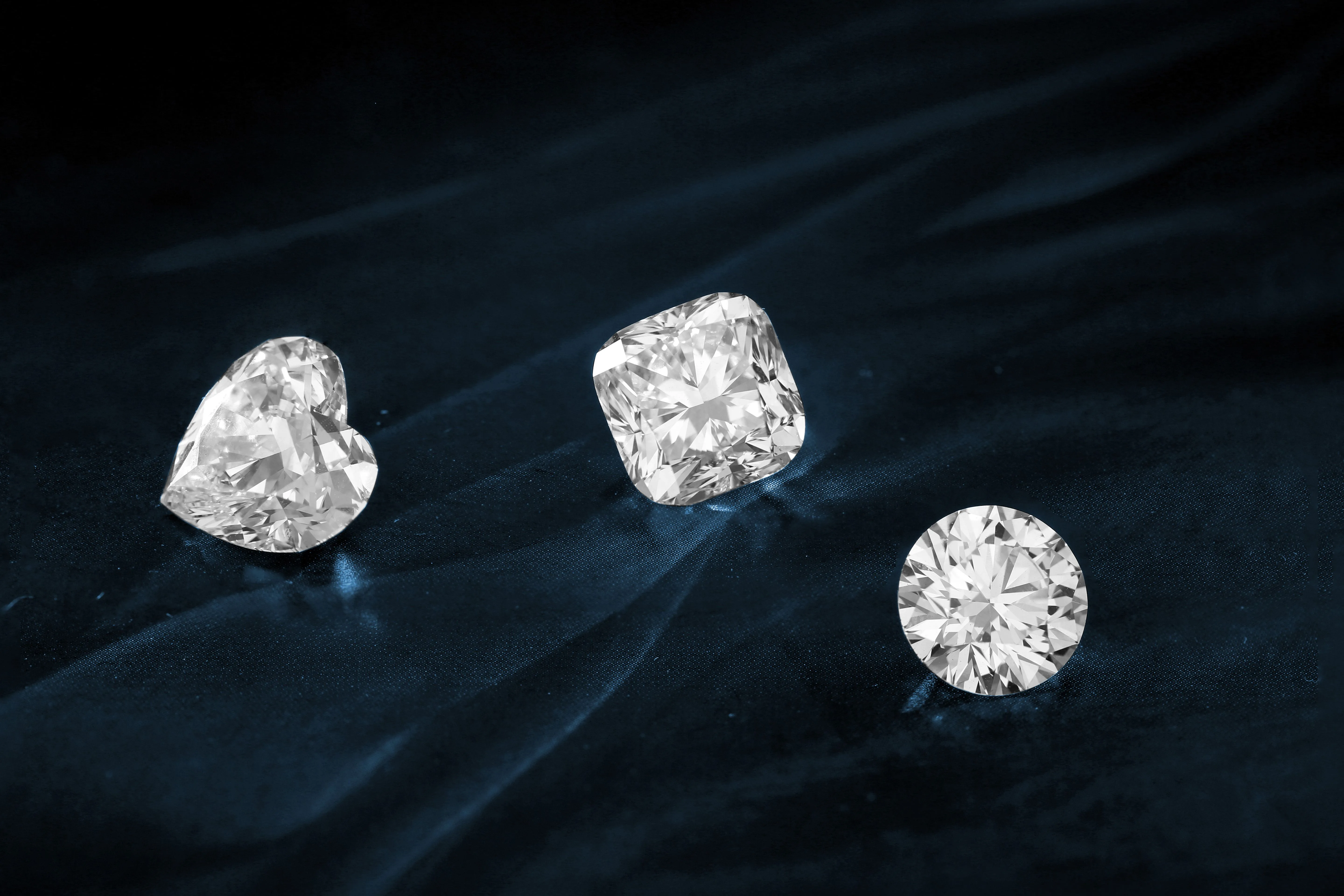
Diamond shape plays an important role in the overall appearance of jewellery. Different shapes create different visual effects, making this an important consideration when selecting a stone.
Some popular diamond shapes include:
- Round: Known for its classic appearance and brilliant sparkle.
- Oval: Creates an elongated look and can make the finger appear longer.
- Princess: Features a modern square shape with attractive brilliance.
- Emerald: Recognized for its rectangular outline and elegant step-cut facets.
- Pear: Combines a rounded end with a pointed tip for a distinctive appearance.
- Cushion: Offers soft corners and a timeless, romantic style.
- Radiant: Combines a rectangular or square outline with brilliant-style faceting.
Think about the jewellery design you want before selecting a shape. A diamond intended for a solitaire engagement ring may require different proportions from one designed for earrings or a pendant.
3. Check Diamond Certification
Certification is an important part of buying a diamond because it provides independent information about the stone's characteristics.
Reputable gemological laboratories, including GIA and IGI, issue grading reports that document important diamond specifications.
Before purchasing, review the following details:
- Certificate or report number
- Carat weight
- Color and clarity grades
- Diamond measurements
- Cut information, where applicable
- Any identifying comments or characteristics
Make sure the report corresponds to the actual diamond being offered. You can also check whether the laboratory provides an online report verification service.
A grading report does not guarantee that a diamond will look beautiful to everyone, but it provides a more reliable basis for comparing stones.
4. Compare Diamond Prices and Set a Realistic Budget
Diamond prices vary depending on quality, weight, shape, origin, certification, and market demand. Two stones with similar specifications may still have different asking prices.
Before shopping, decide how much you are comfortable spending. Then compare diamonds within a reasonable price range.
Here are some useful ways to evaluate pricing:
- Compare stones with similar Four Cs grades.
- Check whether the diamonds have recognized grading reports.
- Consider differences between natural and lab-grown options.
- Examine the stone's actual appearance rather than relying only on specifications.
- Review seller policies and additional charges.
Avoid choosing a diamond simply because it is the cheapest available. A lower price may reflect differences in cut quality, clarity, proportions, or other characteristics.
A thoughtful purchasing decision focuses on the combination of quality and value rather than price alone.
5. Decide Between Natural and Lab-Grown Diamonds
One of the biggest decisions buyers face is choosing between natural and lab-grown diamonds.
Natural diamonds develop underground over extremely long geological periods. Lab-grown diamonds are produced using advanced processes that replicate the conditions required for diamond formation.
Both have essentially the same chemical composition and crystal structure, although their origins differ.
Natural diamonds:
- Form through natural geological processes.
- Have a long-established jewellery market.
- Are generally more expensive than comparable lab-grown stones.
- Appeal to buyers who prefer naturally formed gemstones.
Lab-grown diamonds:
- Are created using specialized technology.
- Have essentially the same physical and chemical properties as natural diamonds.
- Usually cost less than comparable natural diamonds.
- Allow buyers to explore larger sizes within a particular budget.
Neither option is automatically right for everyone. Consider your preferences, budget, and reasons for purchasing before making a choice.
6. Examine Diamond Images and Videos Carefully
When shopping online, product images and videos are valuable tools for evaluating a diamond.
A grading report provides technical information, but visual inspection helps you understand how the stone actually looks.
Look for clear images taken from multiple angles. Rotating videos can help reveal the diamond's brilliance, symmetry, transparency, and visible inclusions.
Pay attention to:
- Dark areas that remain visible during rotation
- Uneven reflections or noticeable imperfections
- The overall balance of the diamond's shape
- Transparency and visual appearance
- Differences between photographs and video presentations
Whenever possible, request additional images or professional assistance if you are uncertain about a particular stone.
7. Consider the Jewellery Setting Before Purchasing
Although you may be buying a diamond separately, the final jewellery design should influence your selection.
Different settings can affect how a diamond looks and how securely it is held.
For example, a four-prong solitaire setting allows plenty of light to reach the stone, while a bezel setting surrounds its edge with metal and offers additional protection.
Consider these factors:
- Metal type: Platinum, white gold, yellow gold, and rose gold can create different visual effects.
- Setting style: Prong, bezel, halo, and pavé settings offer different appearances.
- Diamond proportions: The stone should complement the jewellery design.
- Lifestyle: An everyday ring may benefit from a more protective setting.
Planning the setting in advance can help you choose a diamond with suitable measurements and proportions.
8. Review the Seller's Reputation and Return Policy
The seller you choose is just as important as the diamond itself. A reliable retailer should provide transparent product information, clear pricing, and accessible customer support.
Before placing an order, check:
- Customer reviews and business reputation
- Diamond grading documentation
- Shipping and insurance arrangements
- Return and exchange conditions
- Warranty and after-sales services
- Available payment options
Read the return policy carefully, especially when purchasing an expensive diamond online. Check the return period and whether any fees or restrictions apply.
A transparent seller makes it easier to understand exactly what you are purchasing and what support is available after the transaction.
9. Look for a Collection That Matches Your Preferences
Exploring different diamonds helps you understand the variety of available styles, quality grades, and price ranges.
A Premium Diamond Collection may include stones with different shapes, carat weights, clarity grades, and origins. Rather than choosing based on appearance alone, narrow your options according to the qualities that matter most to you.
You can begin by identifying your preferred shape, deciding on a budget, and selecting suitable color and clarity ranges. This makes the selection process more organized and helps prevent unnecessary spending.
Taking time to evaluate different options also gives you a better understanding of which characteristics provide the most value.
Final Thoughts
Buying a diamond requires careful consideration of several factors, from the Four Cs and certification to shape, pricing, and seller reliability. Each detail contributes to the stone's appearance, quality, and overall value.
The advantage of choosing a diamond separately is the freedom to explore different options before deciding on a jewellery design. By researching specifications, checking grading reports, examining images, and comparing prices, you can make a more informed purchase.
Whether you are selecting a stone for an engagement ring or a personal jewellery project, diamondhedge can be part of your online research as you explore diamond options. Focus on finding a stone that reflects your preferences, meets your quality expectations, and fits comfortably within your budget.