Digital assets have evolved rapidly over the last decade, yet most blockchain innovation has remained concentrated around cryptocurrencies and native digital tokens. While these assets unlocked new financial models, they also exposed volatility, regulatory uncertainty, and limited real world utility. As markets mature, attention is shifting toward a more grounded and sustainable approach to blockchain adoption, one that connects on chain infrastructure with tangible economic value. This is where RWA Tokenization emerges as a transformative force.
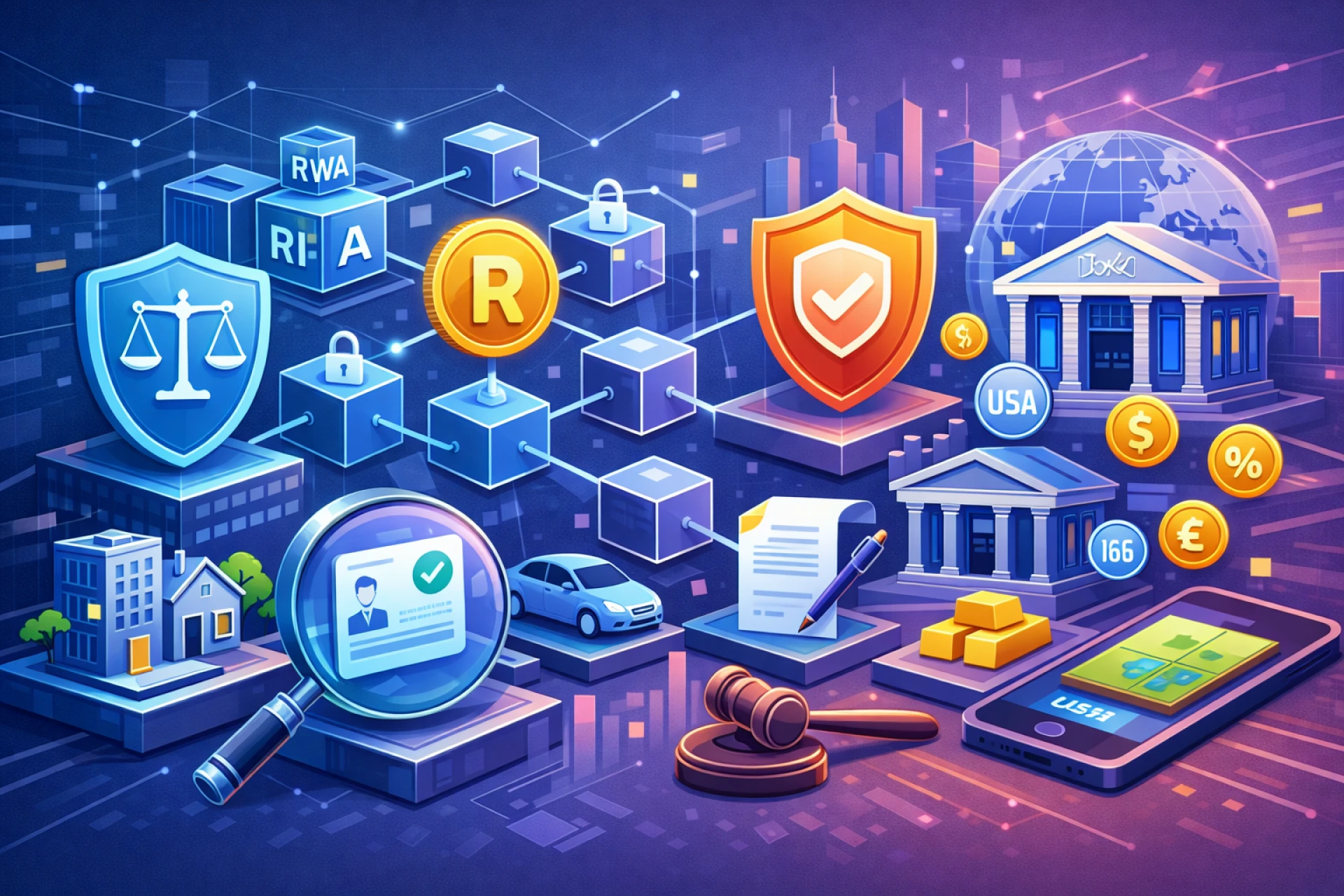
Real world assets represent physical or legally recognized assets such as real estate, commodities, bonds, invoices, intellectual property, and private equity. Tokenizing these assets enables fractional ownership, faster settlement, improved transparency, and programmable compliance. More importantly, it allows traditional institutions to participate in digital finance without abandoning regulatory frameworks. As governments and regulators increasingly define digital asset guidelines, the importance of secure and compliant Real world asset tokenization platform development has never been higher.
This article explores how RWA Tokenization Platform Development is shaping the future of regulated digital assets, why enterprises are investing heavily in this space, and how a specialized RWA tokenization development company can bridge the gap between blockchain innovation and real world financial systems.
Understanding RWA Tokenization in a Regulated Context
At its core, RWA Tokenization is the process of converting ownership rights of a real world asset into digital tokens recorded on a blockchain. These tokens represent a legal claim or economic interest tied to the underlying asset. Unlike speculative crypto assets, real world asset tokenization is anchored in measurable value and enforceable rights.
Regulation plays a central role in this ecosystem. Tokenized real world assets often fall under securities laws, property laws, or financial compliance frameworks depending on jurisdiction and asset type. This means token issuance, investor onboarding, custody, and secondary trading must follow strict regulatory requirements.
A mature RWA tokenization platform development company designs systems that embed compliance into the architecture itself. Rather than treating regulation as an afterthought, compliance becomes programmable through smart contracts, identity verification, and permissioned access models.
Why Regulated Digital Assets Are Gaining Institutional Trust
Institutional adoption has historically been limited by regulatory ambiguity and operational risk. However, real world asset tokenization services address these concerns by aligning blockchain capabilities with existing legal and financial standards.
One of the primary drivers of institutional trust is transparency. Blockchain ledgers provide immutable records of ownership, transfers, and compliance actions. This reduces reconciliation errors and improves auditability. Additionally, automated settlement lowers counterparty risk and shortens transaction cycles from days to minutes.
Liquidity is another critical factor. Traditionally illiquid assets such as private equity or real estate can be fractionalized and traded more efficiently through tokenization. This opens new markets while preserving regulatory oversight.
As a result, banks, asset managers, and fintech firms are increasingly collaborating with an experienced RWA Tokenization Company to launch compliant digital asset offerings that appeal to both institutional and retail investors.
Core Components of RWA Tokenization Platform Development
Building a robust and compliant platform requires more than deploying smart contracts. Real world asset tokenization platform development involves multiple layers of technology, legal structuring, and operational workflows.
Key components include asset onboarding frameworks that validate ownership and legal rights before token issuance. Identity and access management systems ensure that only eligible participants can interact with regulated assets. Compliance engines automate rules related to jurisdiction, investor classification, and transaction limits.
Custody and settlement infrastructure must also be carefully designed. Some platforms integrate with regulated custodians, while others use hybrid on chain and off chain models to meet legal requirements. Reporting and audit modules further enhance transparency and regulatory confidence.
A real world asset tokenization platform company typically customizes these components based on asset class, jurisdiction, and business objectives, ensuring scalability without compromising compliance.
The Role of Smart Contracts in Enforcing Compliance
Smart contracts are often associated with automation and efficiency, but in regulated environments, their most powerful role is enforcement. When designed correctly, smart contracts can embed legal and regulatory rules directly into asset behavior.
For example, transfer restrictions can prevent tokens from being sent to unauthorized wallets. Dividend distributions can be automated based on ownership records while complying with tax and reporting requirements. Redemption conditions can be enforced without manual intervention.
RWA token development focuses heavily on aligning smart contract logic with legal documentation. This ensures that digital representations faithfully reflect real world obligations and rights. A reputable RWA tokenization development company works closely with legal experts to minimize discrepancies between code and law.
Asset Classes Driving Demand for Real World Asset Tokenization
Different asset classes present unique opportunities and challenges within the tokenization ecosystem. Real estate remains one of the most prominent use cases due to its high value and illiquidity. Tokenized property enables fractional ownership and global participation while maintaining regulatory safeguards.
Fixed income instruments such as bonds and treasury assets are also gaining traction. Tokenization simplifies issuance, reduces settlement time, and improves transparency for investors. Commodities like gold and carbon credits benefit from improved traceability and standardized ownership records.
Alternative assets including art, collectibles, and intellectual property are emerging segments. While regulation varies, structured Real World Asset Tokenization Offerings allow issuers to explore new revenue models while remaining compliant.
Regulatory Frameworks Shaping the Future of Tokenized Assets
Regulation is no longer a barrier to tokenization but a catalyst for its evolution. Jurisdictions around the world are introducing frameworks that recognize digital representations of assets under existing financial laws. This clarity encourages institutional participation and long term investment.
Compliance requirements typically include know your customer verification, anti money laundering checks, investor accreditation, and reporting obligations. Platforms must also address data privacy and cross border transaction rules.
A rwa tokenization platform development company that understands regional regulatory nuances can help businesses navigate these complexities. By designing flexible architectures, platforms can adapt as regulations evolve without requiring complete system overhauls.
Security and Risk Management in RWA Tokenization Platforms
Security is paramount when dealing with regulated digital assets. Tokenized real world assets often represent high value holdings, making them attractive targets for cyber threats. Platform development must therefore prioritize security at every layer.
This includes secure key management, audited smart contracts, and robust access controls. Disaster recovery and redundancy planning further ensure operational resilience. Additionally, governance frameworks define how upgrades, disputes, and exceptions are handled.
Real world asset tokenization services often integrate third party audits and continuous monitoring to maintain trust among regulators and participants. These measures reinforce confidence in digital asset infrastructure and reduce systemic risk.
Interoperability and Ecosystem Integration
The future of regulated digital assets depends on interoperability. Tokenized assets should be able to interact with existing financial systems, trading venues, and custody solutions. This requires standardized protocols and flexible integration layers.
APIs enable seamless communication between tokenization platforms and external services such as payment gateways, compliance providers, and reporting tools. Cross chain compatibility may also play a role as blockchain ecosystems diversify.
A real world asset tokenization platform development strategy that emphasizes interoperability ensures long term relevance and scalability. It allows issuers to expand offerings and reach broader markets without fragmentation.
Business Models Enabled by RWA Tokenization
RWA Tokenization opens the door to innovative business models that were previously impractical. Asset issuers can raise capital more efficiently by accessing global investor pools. Investors gain exposure to diversified asset classes with lower entry barriers.
Service providers generate revenue through platform licensing, transaction fees, asset management services, and compliance solutions. A RWA Tokenization Company may also offer end to end solutions that cover asset structuring, token issuance, and secondary market support.
These models benefit from recurring revenue and long term asset lifecycle engagement, making tokenization platforms attractive investments in their own right.
Step by Step Approach to Launching a Compliant RWA Tokenization Platform
Launching a regulated tokenization platform requires a structured and methodical approach. Below are key steps commonly followed by experienced providers.
First, asset selection and legal assessment establish the foundation. Ownership rights, jurisdictional rules, and compliance obligations must be clearly defined. Second, platform architecture is designed to support security, scalability, and regulatory requirements.
Third, RWA token development translates legal rights into smart contract logic. This stage involves rigorous testing and auditing. Fourth, investor onboarding and compliance workflows are implemented to ensure regulatory adherence.
Finally, platform launch and continuous monitoring ensure operational stability and regulatory alignment. Partnering with a specialized RWA tokenization development company significantly reduces execution risk during this process.
The Strategic Value of Partnering with an RWA Tokenization Company
Tokenization is not solely a technical challenge. It requires expertise across blockchain engineering, legal compliance, financial structuring, and user experience design. Attempting to build these capabilities in house can be costly and time consuming.
A dedicated RWA Tokenization Company brings proven frameworks, regulatory insight, and deployment experience. This accelerates time to market while minimizing compliance and security risks. Additionally, ongoing support ensures platforms remain aligned with evolving regulations and market demands.
For enterprises entering the digital asset space, collaboration with an experienced real world asset tokenization platform company often determines long term success.
Future Outlook for Regulated Digital Assets
The convergence of regulation and blockchain technology is redefining digital finance. As standards mature, regulated digital assets are expected to become mainstream components of global financial infrastructure. Central banks, financial institutions, and asset managers are already exploring tokenization at scale.
Advancements in identity solutions, privacy preserving technologies, and programmable compliance will further enhance adoption. Real World Asset Tokenization Services will continue to expand across asset classes and jurisdictions.
In this evolving landscape, platforms that prioritize compliance, security, and interoperability will lead the market. RWA Tokenization Platform Development is no longer experimental but a strategic imperative for forward looking financial ecosystems.
Conclusion: Building the Bridge Between Traditional Assets and Digital Markets
rwa tokenization platform development represents a pivotal shift in how value is created, managed, and exchanged. By digitizing real world assets within regulated frameworks, businesses unlock efficiency, transparency, and accessibility without sacrificing trust.
The future of regulated digital assets depends on thoughtful platform design, legal alignment, and technological excellence. Whether launching new investment products or modernizing existing infrastructure, partnering with a capable RWA tokenization platform development company enables sustainable innovation.
As adoption accelerates, Real World Asset Tokenization Offerings will redefine ownership and investment on a global scale. Those who invest early in compliant and scalable solutions will shape the next era of digital finance.