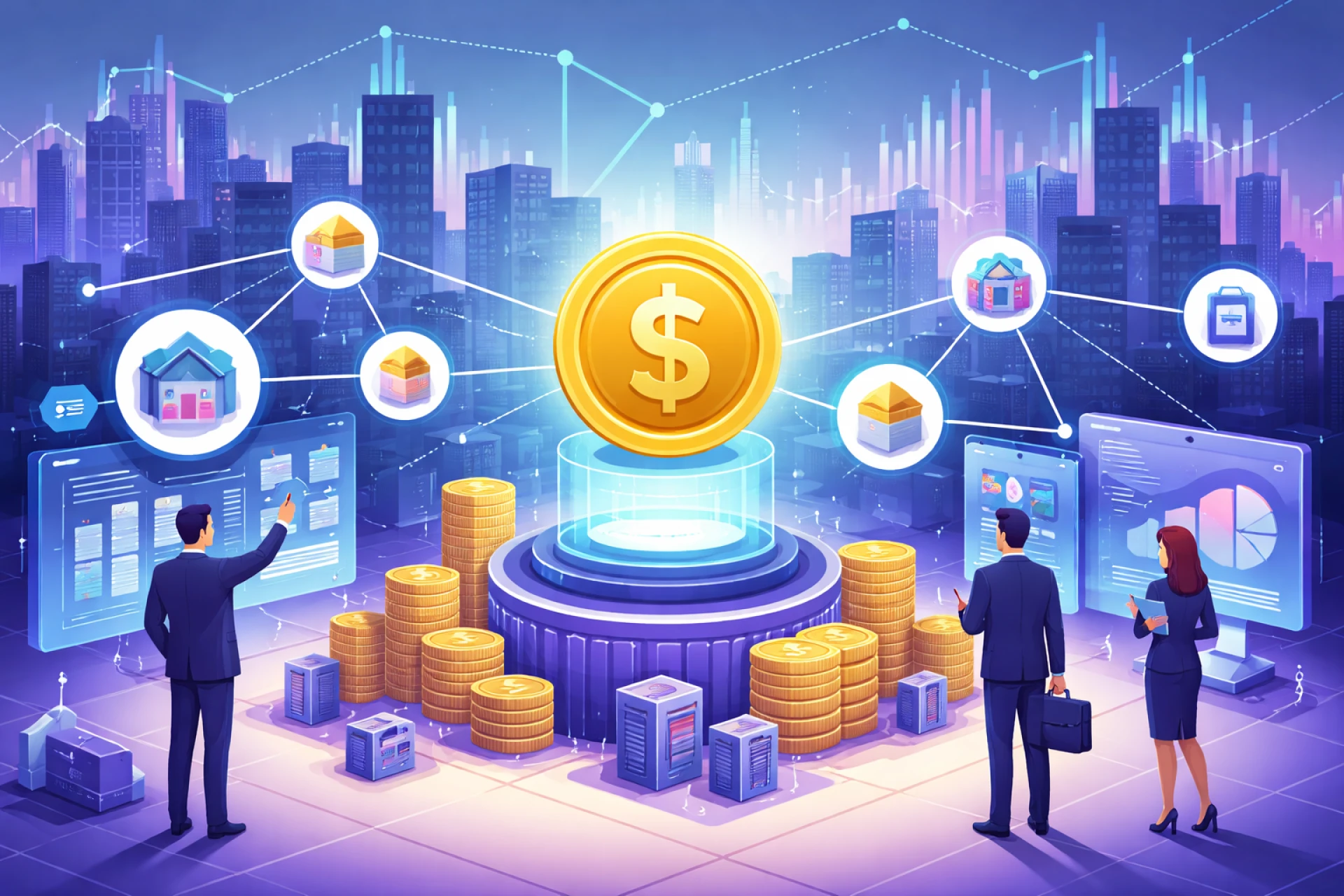
Asset management firms operate in an environment where investors expect greater liquidity, broader access to investment opportunities, and more efficient ways to manage capital. Traditional investment models have served institutions for decades, yet many firms face challenges related to illiquid assets, high entry barriers, complex administrative processes, and limited global participation. In this context, the concept of RWA Tokenization has gained attention among financial institutions, asset managers, and investment platforms seeking new methods for asset distribution and investor participation.
Real World Asset Tokenization refers to the process of representing physical or financial assets as digital tokens on a blockchain network. These tokens represent ownership or economic rights associated with assets such as real estate, private equity, infrastructure, commodities, and other investment vehicles. By converting ownership rights into digital tokens, asset managers can restructure how assets are issued, managed, and traded across digital ecosystems.
For asset management firms, RWA Tokenizaion development is not simply a technical shift. It introduces a structural change in how assets are offered to investors and how capital markets operate. Firms that adopt this model gain advantages in liquidity, investor reach, operational management, and portfolio diversification. As global financial markets gradually incorporate blockchain-based infrastructure, many firms now work with an RWA Tokenization Company to design tokenization frameworks that align with regulatory and investment requirements.
This article examines how RWA Tokenizaion development provides a competitive advantage for asset management firms and how Real World Asset Tokenization Services are influencing modern investment strategies.
The Changing Landscape of Asset Management
Asset management has traditionally relied on centralized structures involving custodians, transfer agents, clearing systems, and intermediaries that oversee investment transactions and asset ownership. While these systems have ensured compliance and security, they also introduce delays, administrative costs, and limited flexibility when assets need to be transferred or fractionalized.
Illiquid assets such as commercial real estate, private funds, and infrastructure investments often remain inaccessible to many investors due to high capital requirements and limited trading options. These barriers restrict market participation and slow capital movement within financial ecosystems.
RWA Tokenization addresses these issues by converting asset ownership into digital tokens recorded on distributed ledgers. These tokens represent shares, rights, or fractional interests in real-world assets, allowing investors to participate in markets that were previously limited to institutional players. Asset management firms adopting rwa tokenization platform development can restructure how investments are issued and distributed, creating more inclusive investment environments.
With the support of Real World Asset Tokenization Services, firms can digitize asset ownership records while maintaining compliance with regulatory frameworks. This digital structure supports fractional ownership, simplified settlement processes, and improved asset distribution across global markets.
Expanding Investor Access Through Fractional Ownership
One of the most important benefits associated with RWA Tokenization is fractional ownership. Traditional investment structures often require large capital commitments, which restricts access to institutional investors and high-net-worth individuals. Tokenization divides asset ownership into smaller digital units, allowing investors to participate with significantly lower capital requirements.
Asset management firms using RWA Tokenizaion development can divide a high-value asset into multiple tokens representing fractional ownership. For example, a commercial property valued at several million dollars can be divided into thousands of digital tokens. Investors can purchase these tokens according to their investment capacity.
This model widens investor participation while also allowing asset managers to raise capital from a broader audience. When firms work with an RWA tokenization development company, they can structure tokenized offerings that comply with financial regulations while maintaining efficient investor onboarding procedures.
Fractional ownership also improves portfolio diversification. Investors can distribute their capital across multiple assets instead of concentrating funds into a single high-value investment. As a result, asset managers can offer diversified investment products through Real World Asset Tokenization Services.
Liquidity Opportunities for Traditionally Illiquid Assets
Liquidity has long been a major concern for asset managers handling private investments. Assets such as real estate, infrastructure, and private equity typically require long holding periods before investors can exit their positions. Secondary markets for these assets are often limited and complex.
RWA Tokenizaion development introduces new liquidity structures by allowing tokenized assets to be traded through digital marketplaces. Tokens representing ownership rights can be transferred between investors under regulated conditions. This improves market activity for assets that previously required lengthy exit procedures.
Asset management firms implementing rwa tokenization platform development can design secondary trading mechanisms where token holders exchange ownership interests with other investors. Although regulatory frameworks vary across jurisdictions, tokenized asset marketplaces are gradually expanding.
Liquidity options increase investor confidence and attract participants who prefer investment opportunities with flexible exit possibilities. When asset managers collaborate with an RWA Tokenization Company, they can structure tokenized assets that incorporate compliance checks and transaction monitoring.
Through RWA tokenization development services, firms can create investment ecosystems where asset ownership remains verifiable while maintaining the efficiency of digital transactions.
Global Investment Participation
Traditional asset management structures often restrict investments to specific geographic regions due to regulatory requirements, settlement systems, and banking limitations. Cross-border investment processes may involve multiple intermediaries, increasing complexity and administrative costs.
Real World Asset Tokenization introduces digital investment frameworks where tokenized assets can reach investors across various regions, subject to regulatory approvals. Tokenized offerings distributed through blockchain networks allow investors from different jurisdictions to participate in the same investment opportunities.
Asset managers implementing RWA token development can establish digital investment platforms where token ownership records remain verifiable through blockchain infrastructure. This approach reduces reliance on multiple intermediaries while maintaining compliance through identity verification procedures and investor accreditation systems.
By partnering with an RWA tokenization development company, asset management firms can design cross-border investment models that support international participation while adhering to financial regulations. This broader investor access increases capital availability and enhances the firm's ability to distribute asset offerings.
Real World Asset Tokenization Services also assist firms in structuring tokenized securities and investment products that comply with legal requirements in different markets.
Operational Efficiency in Asset Management
Asset management firms handle numerous operational tasks including investor onboarding, asset distribution, record maintenance, reporting, and transaction settlement. Traditional administrative processes rely on multiple institutions, which may lead to delays and documentation complexities.
RWA Tokenizaion development introduces digital asset registries where ownership records remain securely stored on blockchain systems. These digital records reduce the need for manual reconciliation between different parties involved in asset management.
With the assistance of RWA tokenization development services, asset managers can automate certain administrative functions such as dividend distribution, investor record updates, and ownership verification. Tokenized systems maintain real-time records of asset ownership, reducing discrepancies between institutions.
Operational efficiency also improves through automated compliance monitoring. Digital platforms can integrate regulatory checks, investor verification procedures, and transaction monitoring tools. This structure simplifies operational workflows while maintaining regulatory oversight.
Firms adopting rwa tokenization platform development benefit from simplified administrative processes and reduced documentation requirements.
New Investment Product Structures
Tokenization opens new possibilities for designing investment products that combine traditional financial structures with digital ownership frameworks. Asset managers can introduce hybrid investment vehicles that combine multiple assets within tokenized portfolios.
For example, an asset management firm may structure a diversified tokenized fund consisting of real estate assets, infrastructure projects, and private equity holdings. Each asset within the portfolio can be represented through digital tokens allocated to investors based on their investment participation.
By utilizing RWA token development, asset managers can create investment products that offer diversified exposure across different asset classes. Investors benefit from portfolio diversification while asset managers gain flexibility in structuring investment strategies.
An RWA Tokenization Company can assist asset managers in designing digital asset issuance frameworks that align with regulatory guidelines. These frameworks support the issuance of tokenized securities, private fund tokens, and digital asset-backed investment vehicles.
Real World Asset Tokenization Services provide the technical and regulatory infrastructure required to manage these digital investment products.
Improving Transparency in Asset Ownership
Asset management requires accurate records of ownership, transactions, and investor participation. Traditional systems often depend on multiple databases maintained by different institutions, which may result in reconciliation challenges.
Blockchain-based tokenization platforms maintain immutable transaction records. Each transaction involving tokenized assets is recorded on distributed ledgers, creating a verifiable history of ownership changes.
Asset managers adopting rwa tokenization platform development can maintain consistent ownership records across their digital asset ecosystem. This structure reduces discrepancies in ownership tracking while providing auditable records for regulatory reporting.
RWA Tokenization also simplifies investor communication. Investors can verify their asset holdings through digital platforms that display token balances and transaction history. This improves investor confidence and simplifies reporting procedures.
When asset managers collaborate with an RWA tokenization development company, they gain access to digital infrastructure that supports secure record maintenance and asset verification.
Institutional Adoption and Market Growth
Institutional interest in Real World Asset Tokenization has increased as financial institutions study blockchain-based financial infrastructure. Investment firms, banks, and asset managers have begun testing tokenized asset issuance through pilot programs and regulated digital asset platforms.
Several financial institutions have already issued tokenized bonds, real estate shares, and investment fund units using blockchain infrastructure. These developments demonstrate that tokenization is gradually integrating into existing financial markets.
Asset management firms that invest in RWA Tokenizaion development position themselves at the early stage of a financial infrastructure shift. Early participation allows firms to develop expertise in tokenized asset issuance and digital investment management.
An RWA Tokenization Company often provides consultation services, tokenization frameworks, and technical infrastructure required for asset digitization. Through RWA tokenization development services, firms can experiment with pilot programs before launching full-scale tokenized investment platforms.
This gradual adoption allows asset managers to refine operational models and gain experience with digital asset ecosystems.
Regulatory Considerations in Tokenized Assets
While tokenization offers numerous opportunities, regulatory compliance remains a critical factor in the adoption of digital asset frameworks. Financial regulators across various jurisdictions are developing guidelines to address tokenized securities and blockchain-based investment platforms.
Asset management firms pursuing rwa tokenization platform development must consider regulatory requirements related to securities laws, investor accreditation, and asset custody. Tokenized assets representing securities must comply with existing financial regulations.
RWA tokenization development services often include compliance modules that support investor identity verification, regulatory reporting, and transaction monitoring. These systems help asset managers maintain compliance with regulatory frameworks.
Working with an RWA tokenization development company allows firms to design tokenized investment models that align with regional regulatory requirements. Legal consultation, compliance verification, and regulatory reporting systems form an important part of tokenization infrastructure.
By addressing compliance considerations early, asset management firms can integrate Real World Asset Tokenization into their operations without regulatory complications.
Competitive Positioning in the Asset Management Industry
The asset management industry is highly competitive, with firms continuously seeking new strategies to attract investors and differentiate their investment offerings. Tokenization introduces a structural advantage for firms willing to adopt digital asset frameworks.
Asset managers utilizing RWA Tokenization can present investment opportunities that offer fractional ownership, improved liquidity, and global participation. These features appeal to modern investors who prefer flexible investment models and digital asset management platforms.
Firms implementing RWA token development also gain operational advantages through digital record management and automated administrative procedures. Reduced administrative complexity allows asset managers to focus on investment strategies and portfolio performance.
By collaborating with an RWA Tokenization Company, firms can design tokenized asset ecosystems that integrate investment management tools, investor onboarding systems, and digital asset distribution platforms.
RWA tokenization development services provide the technical infrastructure required to support tokenized investment products. Asset management firms that integrate these systems into their business models gain a competitive advantage in attracting institutional and retail investors interested in digital asset opportunities.
Conclusion
The emergence of Real World Asset Tokenization represents a structural shift in how financial markets represent, distribute, and manage investment assets. By converting physical and financial assets into digital tokens, asset management firms gain new capabilities in asset distribution, investor participation, and operational efficiency.
RWA Tokenizaion development allows firms to fractionalize high-value assets, expand global investor access, introduce new liquidity structures, and simplify administrative operations. These advantages contribute to more flexible investment ecosystems that align with the evolving expectations of modern investors.
Through partnerships with an RWA Tokenization Company and the adoption of RWA tokenization development services, asset managers can establish digital asset frameworks that support tokenized investment products. These platforms provide the infrastructure required to manage digital asset ownership, regulatory compliance, and investor engagement.
As blockchain-based financial infrastructure continues to mature, asset management firms that integrate rwa tokenization platform development into their operations will be better positioned to adapt to emerging investment models. In a market where innovation often determines competitive positioning, Real World Asset Tokenization provides asset managers with a distinct opportunity to expand their investment offerings and redefine how assets are distributed within global financial markets.