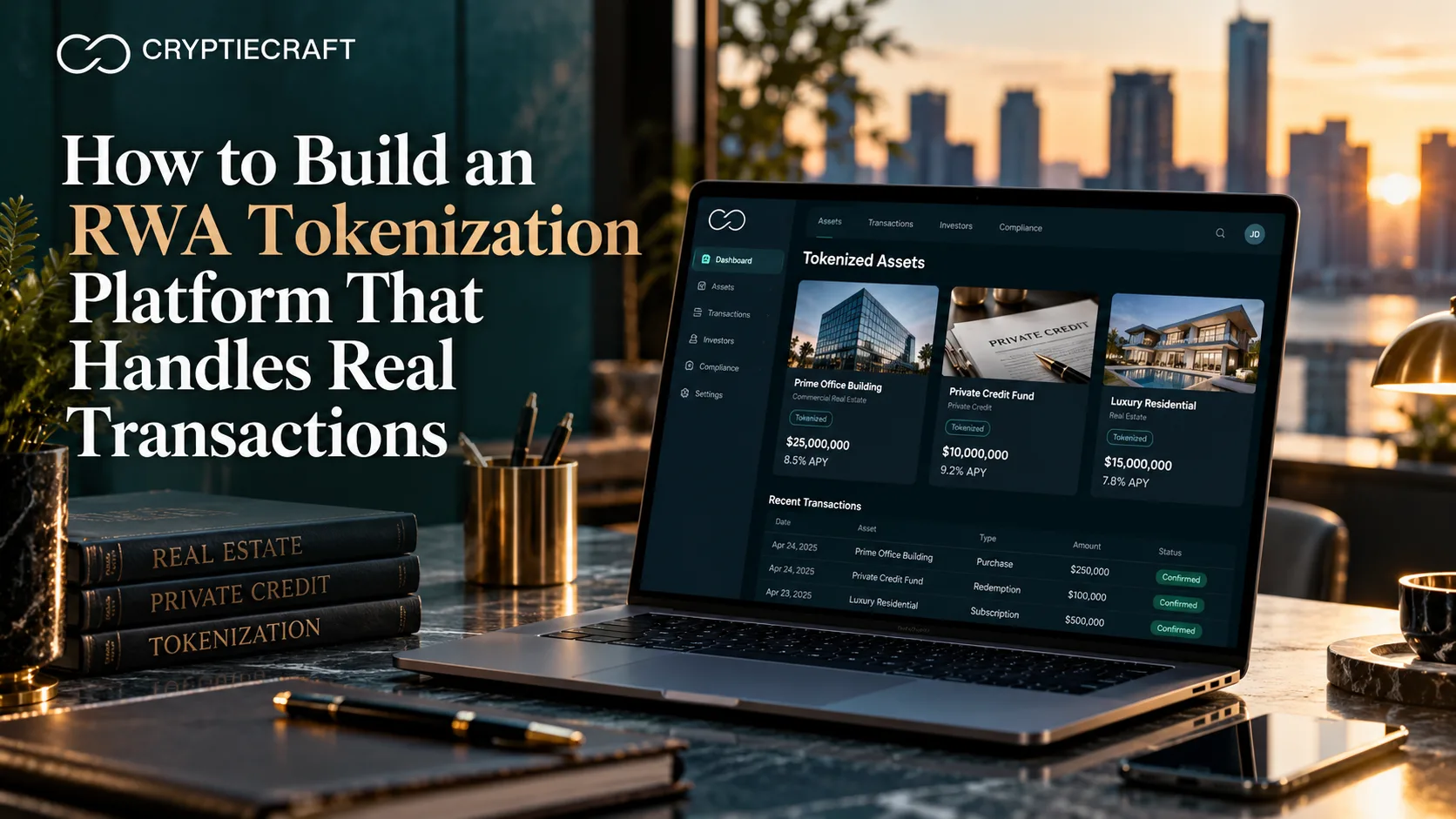
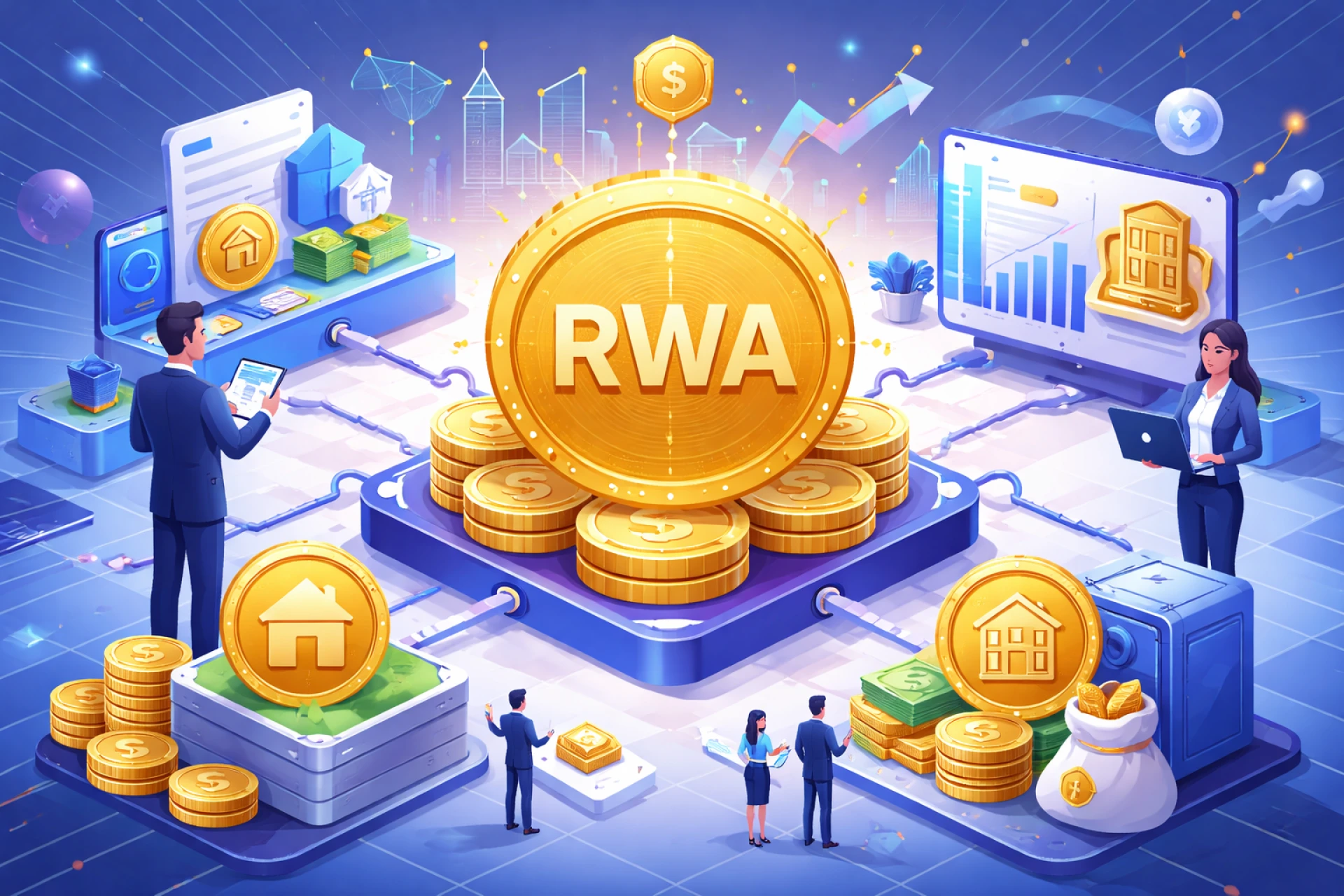
The digital asset sector has moved far beyond cryptocurrencies that operate without physical backing. A new category of blockchain-based assets is gaining attention among entrepreneurs and investors. This category involves linking digital tokens with tangible or financial assets such as real estate, commodities, bonds, or company shares. This concept is widely known as Real World Asset Tokenization.
Through this model, entrepreneurs can convert ownership rights of physical assets into digital tokens stored on a blockchain network. Each token represents a fraction of an asset, allowing multiple investors to participate in ownership without the traditional barriers of high capital requirements. This approach also creates a structured method for trading, tracking, and managing assets in digital markets.
RWA Token Development refers to the technical and legal process of creating these asset-backed tokens and building the digital infrastructure needed for issuance, trading, and compliance. For startups and established businesses, it opens the door to new investment models, global participation, and improved asset liquidity.
This article explains how entrepreneurs can launch asset-backed tokens, what infrastructure is required, and the steps involved in building a reliable ecosystem for RWA Tokenization.
Understanding the Concept of Real World Asset Tokenization
Real World Asset Tokenization is the process of converting ownership rights of physical or financial assets into blockchain-based tokens. These tokens represent fractional or full ownership and can be traded or transferred digitally.
Assets commonly tokenized include:
- Real estate properties
- Private equity
- Government bonds
- Commodities such as gold or silver
- Infrastructure projects
- Intellectual property rights
Instead of selling entire assets to single investors, tokenization divides them into smaller digital units. Investors purchase tokens that represent a percentage of ownership.
For example, a commercial building valued at $10 million could be divided into 1 million tokens, each worth $10. Investors can buy these tokens and gain proportional rights to income generated from the property.
RWA Tokenization services focus on the technological and regulatory infrastructure required to make this process legitimate and operational.
Why Entrepreneurs Are Turning to RWA Token Development
Entrepreneurs see several benefits in launching asset-backed tokens. Traditional investment structures often limit participation due to regulatory hurdles, large capital requirements, and geographic barriers.
RWA token development introduces a more flexible system for asset ownership and funding.
Fractional Investment Opportunities
Large assets become accessible to smaller investors when divided into tokens. This increases participation and opens funding channels for asset owners.
Improved Liquidity
Traditional assets such as real estate can remain illiquid for long periods. Tokenized assets can be traded on digital platforms, creating secondary markets where investors can buy and sell tokens.
Global Investor Access
Tokenization platforms operate online, allowing participation from investors across different regions. This removes geographic restrictions associated with conventional asset trading.
Efficient Asset Management
Smart contracts record ownership, transactions, and distribution of income. This reduces administrative processes involved in traditional asset management.
Because of these benefits, businesses often collaborate with an RWA tokenization development company to design the infrastructure required for issuing and managing tokens.
Types of Assets Suitable for RWA Tokenization
Not every asset fits the tokenization model. Entrepreneurs must evaluate whether an asset has clear ownership documentation, measurable value, and regulatory approval.
Common assets used in rwa tokenization platform development include the following categories.
Real Estate
Property tokenization allows investors to own shares in residential, commercial, or industrial real estate. Rental income and appreciation can be distributed to token holders.
Commodities
Assets such as gold, silver, and agricultural commodities can be represented through digital tokens backed by physical reserves.
Debt Instruments
Government bonds, corporate bonds, and loans can be tokenized, giving investors digital access to fixed-income products.
Private Equity
Startups and private businesses can issue tokens linked to ownership stakes or revenue-sharing arrangements.
Infrastructure Projects
Large infrastructure developments, including renewable energy projects and transportation networks, can raise capital through tokenized investment.
Real world asset tokenization services often begin with asset evaluation to determine whether a project fits the tokenization structure.
Infrastructure Required for RWA Tokenization Platform Development
Launching asset-backed tokens requires a combination of technology, legal structure, and asset management systems. A well-designed platform includes several components.
Blockchain Network
The blockchain serves as the ledger that records token ownership and transactions. Popular networks used in rwa token development include Ethereum, Polygon, and other smart contract compatible systems.
Smart Contracts
Smart contracts manage token issuance, investor rights, and automated distributions. These contracts define the rules for how tokens operate within the ecosystem.
Asset Custody
The physical or financial asset linked to tokens must be stored and verified through trusted custodians. This guarantees that tokens represent legitimate ownership claims.
Investor Onboarding Systems
Platforms must include identity verification processes such as KYC and AML checks. These measures help comply with financial regulations.
Token Marketplace
Secondary markets allow token holders to buy and sell assets after issuance. A marketplace or exchange integration is often included in rwa tokenization platform development.
Businesses working with an RWA tokenization development company typically design this infrastructure before launching tokens to the public.
Regulatory Considerations for Asset-Backed Tokens
Asset-backed tokens fall under financial regulations in many jurisdictions. Entrepreneurs must follow legal guidelines related to securities, taxation, and investor protection.
Regulatory considerations often include:
- Investor verification procedures
- Securities compliance requirements
- Asset ownership verification
- Tax reporting obligations
- Financial licensing
Real world asset tokenization services generally include legal consultation to structure tokens in compliance with regional laws.
Ignoring these requirements may lead to regulatory penalties or restrictions on token trading.
Methods for Launching Asset-Backed Tokens
Entrepreneurs planning RWA Token Development usually follow a structured process that covers asset selection, legal preparation, technology deployment, and market launch.
Below is a step-by-step approach widely used in rwa tokenization development services.
1. Asset Identification and Valuation
The first stage involves selecting an asset that can support tokenization. Independent valuation is often conducted to determine the asset's market worth.
Documentation related to ownership, income potential, and legal rights must be verified before tokenization begins.
2. Legal Structuring
After selecting the asset, legal entities may be created to hold the asset. Tokens represent shares of this entity rather than direct ownership of the asset itself.
This structure simplifies regulatory compliance and investor management.
3. Token Model Design
Entrepreneurs must define how tokens function within the ecosystem. This includes:
- Total token supply
- Investor rights
- Dividend or revenue distribution
- Voting privileges
- Transfer restrictions
An RWA tokenization company usually assists in defining the economic structure of tokens.
4. Smart Contract Development
Developers create smart contracts that govern token issuance and transaction rules. Security testing is conducted to identify vulnerabilities before deployment.
Smart contract audits are often performed by third-party security firms.
5. Platform Development
The next stage involves building the platform where investors interact with tokens. This includes dashboards for asset tracking, investor onboarding systems, and transaction management tools.
RWA tokenization platform development also integrates payment gateways and digital wallets for token purchases.
6. Token Issuance
Once the platform is ready, tokens are issued to investors through private placements or public offerings.
Issuance models may include:
- Security token offerings
- private token sales
- asset-backed token offerings
Marketing campaigns and investor outreach activities often accompany this phase.
7. Secondary Market Listing
After issuance, tokens can be listed on compliant trading platforms. Secondary trading allows investors to buy and sell tokenized assets.
Liquidity improves when tokens are listed on exchanges that support regulated digital securities.
Role of an RWA Tokenization Development Company
Many entrepreneurs lack the technical and regulatory knowledge required for tokenization projects. As a result, businesses often collaborate with specialized service providers.
An RWA tokenization development company provides services such as:
- blockchain development
- smart contract programming
- platform design
- regulatory guidance
- token issuance support
- exchange integration
These providers also deliver RWA tokenization development services that cover maintenance, security updates, and infrastructure management.
Working with experienced teams helps businesses reduce development risks and launch projects within regulatory frameworks.
Challenges in RWA Token Development
While asset tokenization offers promising opportunities, several challenges still exist.
Regulatory Uncertainty
Different countries treat tokenized assets differently. Entrepreneurs must carefully review legal requirements before launching projects.
Asset Verification
Physical assets must be verified and audited regularly. Investors expect assurance that tokens correspond to real assets.
Technology Security
Smart contract vulnerabilities may lead to financial losses if not properly audited.
Market Education
Many investors are still unfamiliar with Real World Asset Tokenization. Platforms must educate users about ownership rights and trading mechanisms.
Despite these challenges, demand for asset tokenization continues to grow across financial markets.
Future Outlook for RWA Tokenization
Financial institutions, technology companies, and asset managers are actively studying tokenization as a method for digital asset management.
Market analysts expect the tokenization sector to grow as blockchain infrastructure improves and regulatory clarity increases.
Industries showing growing interest in rwa tokenization include:
- real estate investment
- private credit markets
- commodity trading
- infrastructure funding
As these sectors adopt tokenization models, entrepreneurs who invest in rwa tokenization development early may gain long-term advantages in digital finance ecosystems.
Conclusion
RWA Token Development represents a significant shift in how assets can be owned, traded, and managed in digital environments. By linking blockchain tokens with real-world assets, entrepreneurs gain access to new capital markets and investor communities.
Launching asset-backed tokens requires careful planning that includes asset verification, legal compliance, smart contract creation, and platform deployment. Each stage contributes to the reliability and credibility of the tokenized ecosystem.
Businesses that collaborate with an experienced RWA tokenization company can design secure platforms, meet regulatory expectations, and manage token issuance effectively. With the support of specialized RWA tokenization services and real world asset tokenization services, entrepreneurs can enter the digital asset market with structured investment products.
As global interest in digital finance continues to grow, rwa tokenization platform development is becoming an important area for innovation in asset ownership models. Entrepreneurs who understand this technology and adopt responsible development practices may find valuable opportunities in the expanding market for asset-backed digital tokens.