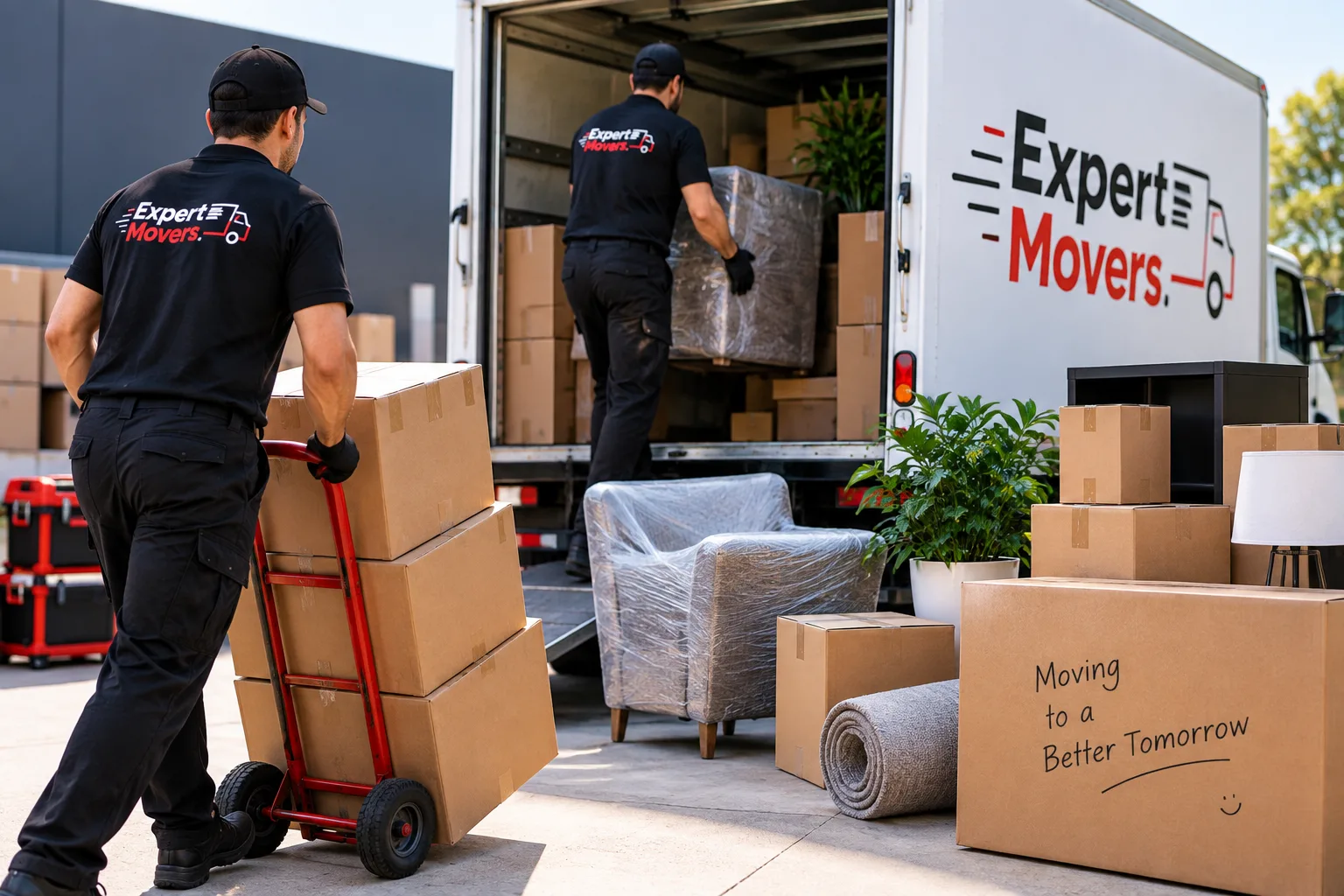
Moving day rarely goes exactly as planned. You may think you have plenty of time in the morning, only to realize that several boxes are still open, furniture needs to be moved, and the truck is waiting outside.If you’re running out of time on moving day in Kardinya, Removalists Kardinya can take care of the heavy lifting, loading, and furniture handling while you focus on the final details. A few practical changes can help you get back on track without turning the whole day into chaos.
What Should You Do First When You’re Running Out of Time?
When you’re stressed, it is easy to move from one task to another without actually finishing anything. Take a few minutes to look around the property and work out what is left.
Make a quick list of the jobs that must be completed before you leave. Focus on the things that directly affect the move.
These may include:
- Moving large furniture
- Finishing essential boxes
- Protecting fragile items
- Clearing hallways and doorways
- Loading the truck
- Checking cupboards and storage areas
- Preparing keys for handover
Forget about small jobs that can wait. Your goal now is to get the property cleared safely and keep the move moving.
Give Large Furniture Priority
Furniture usually takes more time to move than boxes. A sofa might need to be turned several times to get through a doorway. A wardrobe may need to be emptied or dismantled before it can leave the room.
If you are short on time, start with the larger pieces.
Look at items such as:
- Sofas and recliners
- Beds and bed frames
- Dining tables
- Wardrobes
- Cabinets
- Desks
- Outdoor furniture
- Large appliances
Getting these items out of the way creates more space for the rest of the move.
Check Difficult Furniture Before Moving It
Do not wait until the last minute to discover that a large piece will not fit through the door.
Check the route first. Look at doorways, stairs, corners, gates, and other tight areas. If something needs to be dismantled, deal with it before everyone starts carrying furniture.
This simple step can save a surprising amount of time.
Do Not Rush Your Packing
When time is running out, throwing everything into random boxes can seem like the fastest solution. It usually creates more work later.
Instead, pack the essentials first and keep similar belongings together. Label each box with the room and a basic description.
For example:
- Kitchen – plates and cookware
- Bedroom – clothes
- Bathroom – toiletries
- Office – documents
- Living room – electronics
You do not need perfect labels. You just need labels that make sense when you reach the new home.
Keep an Essentials Bag With You
One common moving-day mistake is putting important items somewhere inside the truck and then forgetting where they are.
Keep one bag with you throughout the move.
It can include:
- Phone and chargers
- Wallet and keys
- Important documents
- Basic toiletries
- A change of clothes
- Water and snacks
- Medication
- Basic cleaning items
You will be glad you did this when you arrive at the new property.
Clear the Path Before Loading Starts
If you are moving furniture through a hallway filled with boxes, bags, and loose items, the process will take longer.
Clear the main route from the rooms to the exit. Move small boxes away from doorways and remove anything that could become a trip hazard.
If possible, keep one clear path for carrying furniture.
This is especially useful when several people are working at the same time. It reduces unnecessary stopping and makes the whole process feel more organized.
Protect Furniture Even When You Are in a Hurry
Being behind schedule does not mean furniture protection should be skipped.
Scratches and dents can happen quickly when furniture is moved through tight spaces. A few basic protective materials can help reduce the risk.
Consider using:
- Moving blankets
- Protective wrap
- Corner protectors
- Furniture pads
- Strong straps
Pay extra attention to glass, polished surfaces, wooden furniture, and items with delicate edges.
A few extra minutes spent protecting furniture can save you from dealing with damage later.
Know When You Need Extra Help
Sometimes the problem is not poor planning. You simply have too much work and not enough time.
If there are several heavy items, difficult access points, or a large amount of furniture still waiting to be loaded, getting professional assistance can make the situation easier.
Professional movers can help with tasks such as:
- Carrying heavy furniture
- Loading the moving truck
- Unloading at the new property
- Protecting furniture
- Dismantling and reassembling furniture
- Handling difficult access
- Organizing items during loading
If you are already behind schedule, experienced help can take some of the physical pressure off your shoulders.
Tell Your Movers About Problems Early
If you have already booked a moving team, do not wait until they arrive to mention an issue.
Let them know if:
- There are stairs
- Parking is far from the entrance
- A lift needs to be used
- Large furniture needs dismantling
- Access is narrow
- There are more belongings than expected
- Your available moving time has changed
The more information they have, the easier it is to organize the work.
What If Your New Home Is Not Ready?
Another common reason for moving-day delays is that the new property is not ready when expected.
Maybe cleaning is still underway. Perhaps repairs have taken longer than planned, or you cannot access the property until later in the day.
If this happens, do not simply leave furniture outside or place belongings somewhere unsuitable.
Contact the relevant person managing the property and confirm when you can enter. If there is a longer delay, you may need to look at temporary storage or another short-term solution.
Planning this early can prevent unnecessary back-and-forth trips.
Use a Simple Plan to Catch Up
Once you know you are behind, create a simple recovery plan.
1. Finish the Most Important Jobs
Focus on furniture, essential boxes, and anything required for leaving the property.
2. Work Room by Room
Instead of jumping between rooms, finish one area before moving to the next where possible.
3. Give Everyone a Job
If family or friends are helping, assign specific tasks. One person can label boxes while others handle smaller items or prepare furniture.
4. Keep Checking the Time
Look at your progress every hour. If you are still falling behind, change the plan instead of hoping you will somehow catch up.
5. Do a Final Walkthrough
Before leaving, check wardrobes, cupboards, garages, sheds, balconies, and storage spaces.
It is much easier to find something now than after you have driven away.
Avoid These Common Last-Minute Mistakes
When people are under pressure, they often make the same mistakes.
Trying to Move Heavy Items Alone
A large piece of furniture is not worth risking an injury. Get help when an item is too heavy or awkward.
Blocking Doorways With Boxes
Keep the main exit clear so furniture and boxes can move out easily.
Forgetting Furniture Protection
Rushing does not make scratches disappear. Protect valuable furniture before it goes onto the truck.
Mixing Everything Together
Random boxes make unloading and unpacking harder. Keep basic room labels even if you are packing quickly.
Leaving Important Items Behind
Check every room before you close the door. Do not forget small storage areas that are easy to overlook.
Make Your Next Moving Day Easier
If your current move has become rushed, use it as a lesson for the next one.
Start packing non-essential items earlier. Make a furniture list, confirm property access, and prepare your moving route before the actual day.
A simple moving checklist can also help. Write down your furniture, boxes, important documents, keys, cleaning tasks, and final property checks.
You do not need a complicated plan. You just need one that helps you see what has been completed and what still needs attention.
Final Thoughts
Running out of time on moving day in Kardinya can be stressful, but it does not mean the entire move has to fall apart. Take a step back, prioritize large furniture, clear your moving routes, protect your belongings, and focus on the jobs that genuinely need to be completed before you leave.
If the workload is too much to handle safely, professional removalists can take care of the physical side of the move while you focus on the final details.