Roofing systems are essential for protecting buildings from environmental exposure and maintaining overall structural strength. Over time, roofing components experience natural wear caused by weather conditions, temperature changes, and material aging. Without proper attention, even minor roofing problems can develop into significant structural issues that affect the safety and comfort of occupants.
Regular maintenance and timely repair planning help ensure long-term performance and reduce the likelihood of unexpected damage. Understanding the role of general roofing services, chimney maintenance, and structural repairs allows property owners to make informed decisions. A well-maintained roofing system supports durability, improves efficiency, and protects interior spaces from moisture-related problems.
Ensuring Reliable Roofing Through Professional Services
Roofing systems consist of multiple components that must function together to provide effective protection. Property owners who consult a roofer clapham professional typically focus on maintaining structural integrity and preventing long-term damage. General roofing services include inspections, maintenance planning, and identifying potential risks before they become major concerns.
Routine inspections help identify early signs of deterioration such as loose materials, surface cracks, or weakened joints. Addressing these issues at an early stage allows for efficient repairs and prevents further structural complications. Professional roofing assessments also provide valuable information about the condition of roofing layers and support structures.
Skilled roofing professionals use appropriate materials and techniques to maintain reliable performance. Regular maintenance services improve the lifespan of roofing systems and ensure that properties remain protected against environmental conditions throughout the year.
Maintaining Chimney Structures for Long-Term Safety
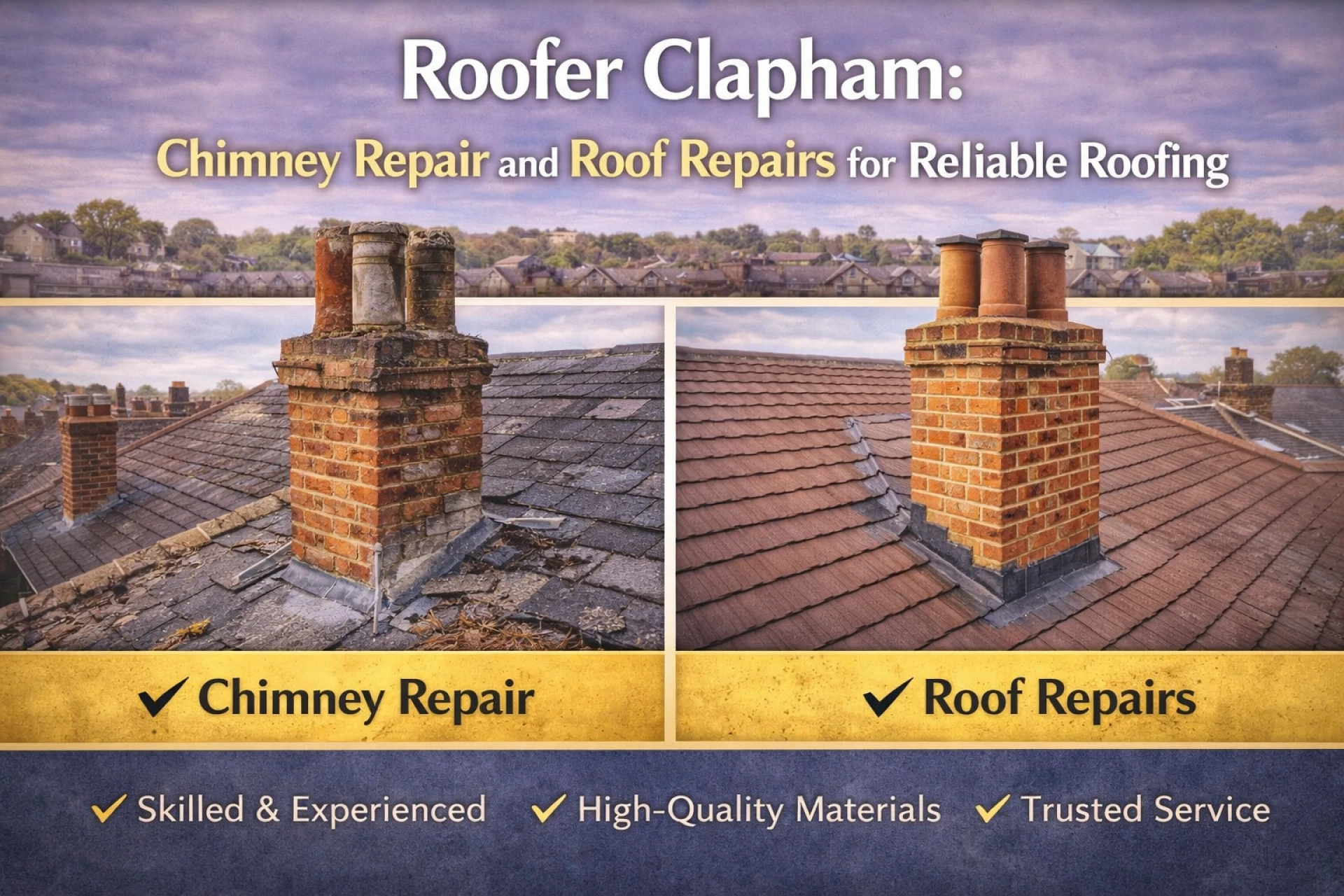
Chimneys are exposed to harsh environmental conditions and often require careful maintenance to remain structurally sound. Property owners who arrange chimney repair fulham services commonly address problems such as cracked brickwork, weakened mortar joints, and moisture infiltration.
Moisture entering through damaged chimney structures can affect surrounding roofing materials and interior spaces. Over time, this exposure may lead to mold growth, structural weakening, and water damage within walls or ceilings. Identifying these issues early helps prevent extensive restoration work.
Chimney restoration generally involves repairing damaged masonry, sealing joints, and reinforcing structural areas that show signs of wear. These improvements help maintain ventilation efficiency and protect adjacent roofing components from further deterioration.
Regular inspection of chimney structures supports safe operation and reduces the likelihood of emergency repairs. Maintaining chimney integrity also contributes to the overall strength and reliability of roofing systems.
Addressing Structural Damage Through Timely Repairs
Roofing systems inevitably develop wear due to environmental exposure and natural material aging. Property owners who seek roof repairs new malden services often focus on restoring damaged components and preventing further structural deterioration.
Common repair issues include broken roofing materials, weakened flashing, and water leaks that affect interior areas. If left unaddressed, these problems can compromise insulation and lead to structural weakening. Prompt repair efforts help restore protective layers and maintain stable building conditions.
Repair procedures typically involve locating the source of damage and replacing affected materials. Reinforcing vulnerable areas and sealing exposed surfaces help restore strength and prevent recurring issues. Consistent repair planning ensures that roofing systems continue to function effectively under changing environmental conditions.
Timely repairs not only protect structural components but also reduce long-term maintenance costs by preventing extensive damage.
Common Roofing Problems Property Owners Encounter
Roofing systems are constantly exposed to weather conditions that gradually affect their performance. Recognizing common roofing issues allows property owners to respond quickly and maintain reliable protection.
Typical roofing problems include:
- Water leaks caused by damaged materials
- Loose or missing roofing components
- Cracked flashing around joints and edges
- Blocked drainage systems preventing water flow
- Sagging sections caused by structural stress
Environmental conditions such as heavy rainfall, wind, and temperature changes increase the likelihood of roofing damage. Over time, these factors weaken protective surfaces and create vulnerabilities that require attention.
Routine inspections and early problem detection help reduce the risk of extensive structural damage and improve overall roofing reliability.
Preventive Maintenance Strategies for Long-Term Performance
Preventive maintenance is essential for maintaining strong roofing systems and reducing repair frequency. Establishing regular maintenance routines helps identify minor issues before they develop into larger structural concerns.
Effective maintenance strategies include:
- Clearing debris from roof surfaces regularly
- Inspecting drainage outlets for blockages
- Checking flashing and joints for signs of wear
- Repairing small cracks promptly
- Scheduling periodic professional inspections
These actions help maintain proper drainage and reduce moisture buildup. Preventive care improves the durability of roofing materials and supports long-term performance.
Maintaining consistent maintenance schedules allows property owners to manage roofing conditions more efficiently and avoid sudden structural failures.
Benefits of Professional Roofing Support
Professional roofing services provide valuable expertise in maintaining safe and reliable structures. Experienced contractors are trained to identify hidden problems and recommend suitable repair or maintenance methods.
Some benefits of professional roofing support include:
- Accurate identification of structural concerns
- Use of durable materials designed for long-term performance
- Efficient completion of repair and maintenance tasks
- Improved safety during project work
- Reduced likelihood of recurring damage
Professional involvement ensures that roofing systems remain dependable and capable of handling environmental stress. Reliable workmanship contributes to consistent performance and long-term protection.
Conclusion
Maintaining roofing systems requires regular inspections, timely repairs, and careful attention to structural components. From general roofing support to chimney restoration and targeted repair work, each service contributes to maintaining strong and dependable building structures.
Understanding common roofing challenges and following preventive maintenance practices helps property owners protect their investments. With proper planning and routine care, roofing systems remain durable, efficient, and capable of providing reliable protection against environmental conditions for many years.