
Veterinary surgical procedures require precise equipment, sterile instruments, and well-organized operating environments. In animal healthcare facilities, advanced surgical technologies help veterinary teams perform procedures more efficiently while maintaining safety and accuracy. Electrosurgical equipment plays a significant role in these procedures by supporting tissue cutting, coagulation, and vessel management during surgery.
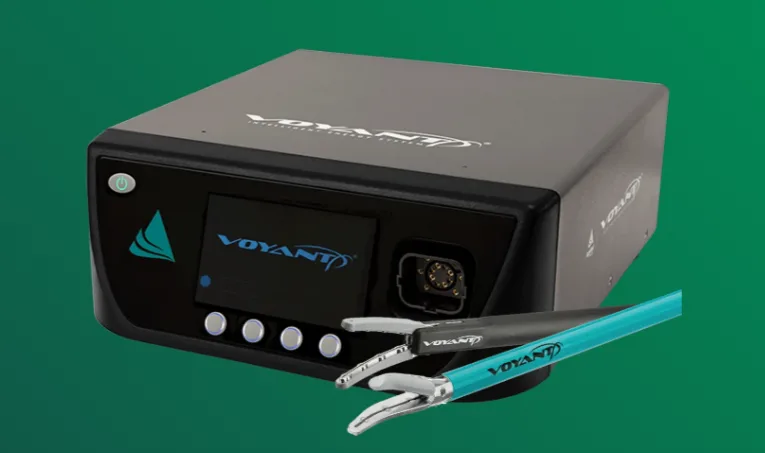
A system such as the Voyant electrosurgical generator is designed to assist surgeons in controlling energy used during surgical procedures. These systems support the safe use of electrosurgical instruments while helping maintain consistency during operations. Along with reliable surgical equipment, veterinary clinics also depend on efficient sterilization solutions to prepare instruments quickly.
Importance of Electrosurgical Technology in Veterinary Procedures
Electrosurgical technology has become an essential part of many veterinary surgical procedures. These systems allow surgeons to cut tissue and control bleeding using controlled electrical energy. This capability helps maintain a clear surgical field and supports accurate surgical work.
In procedures involving animals, tissue handling must be performed carefully to prevent unnecessary trauma. Electrosurgical systems allow veterinary surgeons to work with precision while managing blood vessels and surrounding tissues effectively.
Equipment such as the Voyant electrosurgical generator supports these functions by providing consistent energy delivery that surgeons can rely on throughout an operation.
Supporting Surgical Accuracy and Efficiency
Veterinary surgeons often perform procedures that require careful handling of delicate tissues. In such situations, tools that provide controlled energy output are valuable. Electrosurgical generators enable surgeons to perform tasks such as cutting tissue and sealing vessels with improved efficiency.
Maintaining a clear surgical field is particularly important during veterinary procedures. When bleeding is minimized and tissues are managed effectively, surgeons can focus more on the surgical objective rather than managing complications.
Importance of Sterilization in Veterinary Surgical Equipment
Sterilization is one of the most important steps in preparing surgical instruments. Veterinary clinics must ensure that all equipment used during operations is completely free from contaminants.
Instruments that come into contact with tissues during surgery must be sterilized before every procedure. This includes electrosurgical devices, vessel sealing tools, scopes, and surgical lighting equipment.
Compact Sterilization Systems for Individual Instruments
Veterinary clinics sometimes require immediate sterilization of a single instrument. Compact sterilization kits are designed to address this need.
These small kits contain pouches that can hold one piece of equipment. The sterilization process for these systems is very fast, allowing an instrument to be prepared for surgical use within minutes.
Medium Sterilization Kits for Multiple Surgical Tools
Many veterinary procedures require several instruments to be sterilized at the same time. Medium-capacity sterilization kits are designed to handle this requirement.
These kits provide pouches that can hold multiple instruments, allowing veterinary staff to process them together in a single cycle. Even with multiple items, the sterilization process remains relatively quick.
Large Sterilization Units for Full Equipment Sets
Veterinary surgical centers often rely on complete sets of equipment during operations. Larger sterilization systems are designed to handle entire cases of surgical instruments.
These units can sterilize a wide range of tools in a single cycle. Equipment such as vessel sealers, scopes, and headlamps can all be processed together with other surgical instruments.
Benefits of Fast Sterilization Systems for Veterinary Clinics
Rapid sterilization systems provide several important advantages for veterinary practices.
Reduced Preparation Time
Short sterilization cycles allow instruments to be prepared quickly. This helps veterinary teams avoid delays before surgical procedures.
Improved Equipment Availability
When instruments can be sterilized quickly, clinics can reuse them sooner. This reduces the need to maintain large inventories of duplicate tools.
Reliable Sterility
Modern sterilization systems are designed to ensure that instruments are properly sterilized before they are used in surgery.
Support for Specialized Equipment
Advanced surgical devices such as electrosurgical tools, vessel sealing instruments, scopes, and headlamps can all be sterilized using these systems.
These benefits help veterinary clinics maintain organized operating rooms and consistent surgical schedules.
Training Veterinary Teams to Use New Equipment
Introducing new surgical equipment or sterilization systems requires proper training for veterinary staff. Clinics often provide on-site training sessions to ensure team members understand how to use the equipment correctly.
Training programs typically include instructions on loading sterilization pouches, running sterilization cycles, and preparing instruments for surgical use. Veterinary staff also learn how to maintain the equipment so that it continues to operate effectively.
Improving Veterinary Surgical Workflow
Efficient surgical workflows depend on well-organized equipment preparation. Veterinary clinics must ensure that surgical instruments are sterilized, properly stored, and readily available when needed.
Electrosurgical systems help veterinary surgeons perform procedures with greater control and accuracy. At the same time, rapid sterilization systems ensure that all instruments remain safe and ready for use.
Conclusion
Veterinary surgery requires a combination of advanced equipment, reliable sterilization methods, and trained medical teams. Electrosurgical generators assist surgeons in managing tissues and blood vessels during procedures, while sterilization systems ensure that all instruments remain safe for use.
By using efficient sterilization processes, veterinary clinics can prepare equipment quickly and maintain consistent surgical readiness. This allows veterinary teams to handle procedures without unnecessary interruptions.