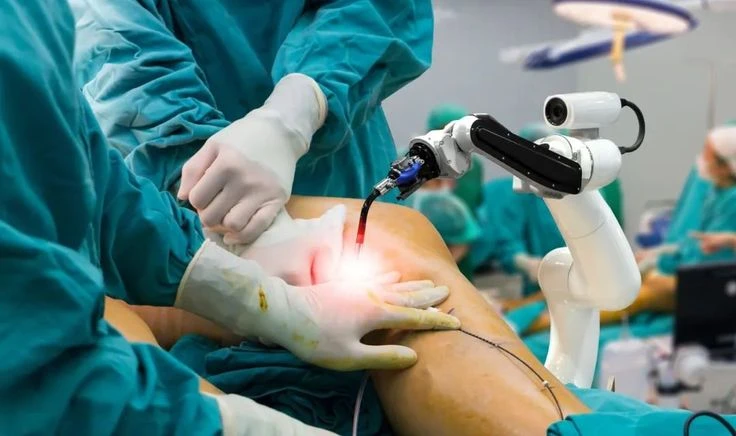
Severe knee pain can limit your mobility and affect your daily life. Activities like walking, climbing stairs, or even sitting for long periods can become painful. When non-surgical treatments fail, surgery becomes necessary. Today, robotic knee replacement surgery has become one of the most advanced and effective solutions for treating severe knee conditions.
With improved accuracy, better implant positioning, and faster recovery, robotic knee replacement is transforming orthopedic care. In this detailed guide, we will explain the step-by-step process, cost, recovery, and long-term results of this advanced procedure.
What is Robotic Knee Replacement?
Before understanding the process, it is important to know what is robotic knee replacement.
Robotic knee replacement is an advanced surgical technique where a robotic system assists the surgeon in performing knee replacement with high precision. It uses 3D imaging and computer-guided planning to ensure accurate implant placement.
Unlike traditional surgery, robotic knee replacement surgery reduces errors and improves long-term outcomes.
Step-by-Step Process of Robotic Knee Replacement Surgery
Understanding the procedure helps reduce anxiety and prepares patients better.
1. Pre-Surgery Evaluation
Before robotic knee replacement surgery, doctors conduct:
- Physical examination
- X-rays or CT scans
- Blood tests and medical evaluation
Consulting a Robotic Knee Replacement Specialist in Delhi NCR ensures accurate diagnosis and treatment planning.
2. Preoperative Planning
A 3D model of the knee is created using advanced imaging. This allows the surgeon to plan the procedure with high precision before performing robotic knee replacement.
3. Anesthesia
The surgery is performed under spinal or general anesthesia, ensuring patient comfort.
4. Robotic-Assisted Surgery
During robotic knee replacement surgery, the robotic system guides the surgeon in:
- Removing damaged bone and cartilage
- Preparing the joint surface
- Placing implants with precise alignment
This ensures maximum accuracy and better outcomes compared to traditional methods.
5. Implant Placement
Artificial implants are positioned accurately to restore natural knee movement. This precision is one of the biggest advantages of robotic knee replacement.
6. Closure and Initial Recovery
The incision is closed, and the patient is shifted to recovery. Physiotherapy begins early to improve mobility.
Robotic Knee Replacement Cost in India
The robotic knee replacement cost is an important factor for patients. The robotic knee replacement surgery cost in India depends on:
- Hospital facilities
- Surgeon’s expertise
- Type of implant
- Use of robotic technology
On average, the robotic knee replacement surgery cost in India ranges between ₹2,50,000 to ₹5,50,000 per knee. Patients seeking the best robotic knee replacement in India often choose reputed hospitals for better outcomes.
Advantages and Disadvantages of Robotic Knee Replacement
Understanding the advantages and disadvantages of robotic knee replacement is essential.
Advantages:
- High precision and accuracy
- Better implant positioning
- Reduced pain and blood loss
- Faster recovery
- Improved joint function
Disadvantages:
- Higher cost
- Limited availability
Despite these limitations, robotic knee replacement surgery is widely preferred for its superior outcomes.
Bilateral Knee Replacement Using Robotic Technology
Patients with severe arthritis in both knees may require Bilateral Knee Replacement.
With robotic assistance, robotic knee replacement ensures:
- Accurate alignment in both knees
- Balanced joint movement
- Faster recovery
This makes robotic surgery highly effective for Bilateral Knee Replacement cases.
Recovery After Robotic Knee Replacement
Recovery is one of the biggest advantages of robotic knee replacement.
Recovery Timeline:
- First week: Pain management and early movement
- 2–4 weeks: Walking with support
- 4–8 weeks: Strength and flexibility improvement
- 3 months: Return to daily activities
Patients undergoing robotic knee replacement surgery typically recover faster than traditional surgery.
Why Recovery is Faster
Faster healing after robotic knee replacement is due to:
- Minimal tissue damage
- Precise implant positioning
- Reduced blood loss
- Less post-operative pain
These factors contribute to quicker recovery and better outcomes.
Why Choose Robotic Knee Replacement in Delhi NCR?
Delhi NCR is a leading destination for advanced orthopedic care. Choosing robotic knee replacement in Delhi NCR offers:
- Access to modern robotic systems
- Experienced surgeons
- High success rates
- Better patient care
Consulting a Robotic Knee Replacement Specialist in Delhi NCR ensures expert treatment.
Best Robotic Knee Replacement in India
India is known for offering the best robotic knee replacement in India due to:
- Advanced hospital infrastructure
- Skilled orthopedic surgeons
- Affordable treatment
- High success rates
Patients across the country trust India for robotic knee replacement procedures.
Long-Term Results of Robotic Knee Replacement
Robotic knee replacement provides long-term benefits such as:
- Improved mobility
- Better joint function
- Reduced pain
- Long-lasting implants (15–20 years or more)
With proper care, patients can maintain an active lifestyle after robotic knee replacement surgery.
Who is the Right Candidate?
You may need robotic knee replacement surgery if you have:
- Severe knee arthritis
- Chronic knee pain
- Limited mobility
- No relief from medications
A consultation with a Robotic Knee Replacement Specialist in Delhi NCR helps determine suitability.
Conclusion
Robotic knee replacement surgery is a highly advanced and effective solution for severe knee joint problems. With its step-by-step precision, faster recovery, and long-term benefits, it has become a preferred choice for patients.
Understanding what is robotic knee replacement, its cost, recovery, and results helps you make informed decisions. If you are suffering from knee pain, choosing robotic knee replacement can help you regain mobility and improve your quality of life.