
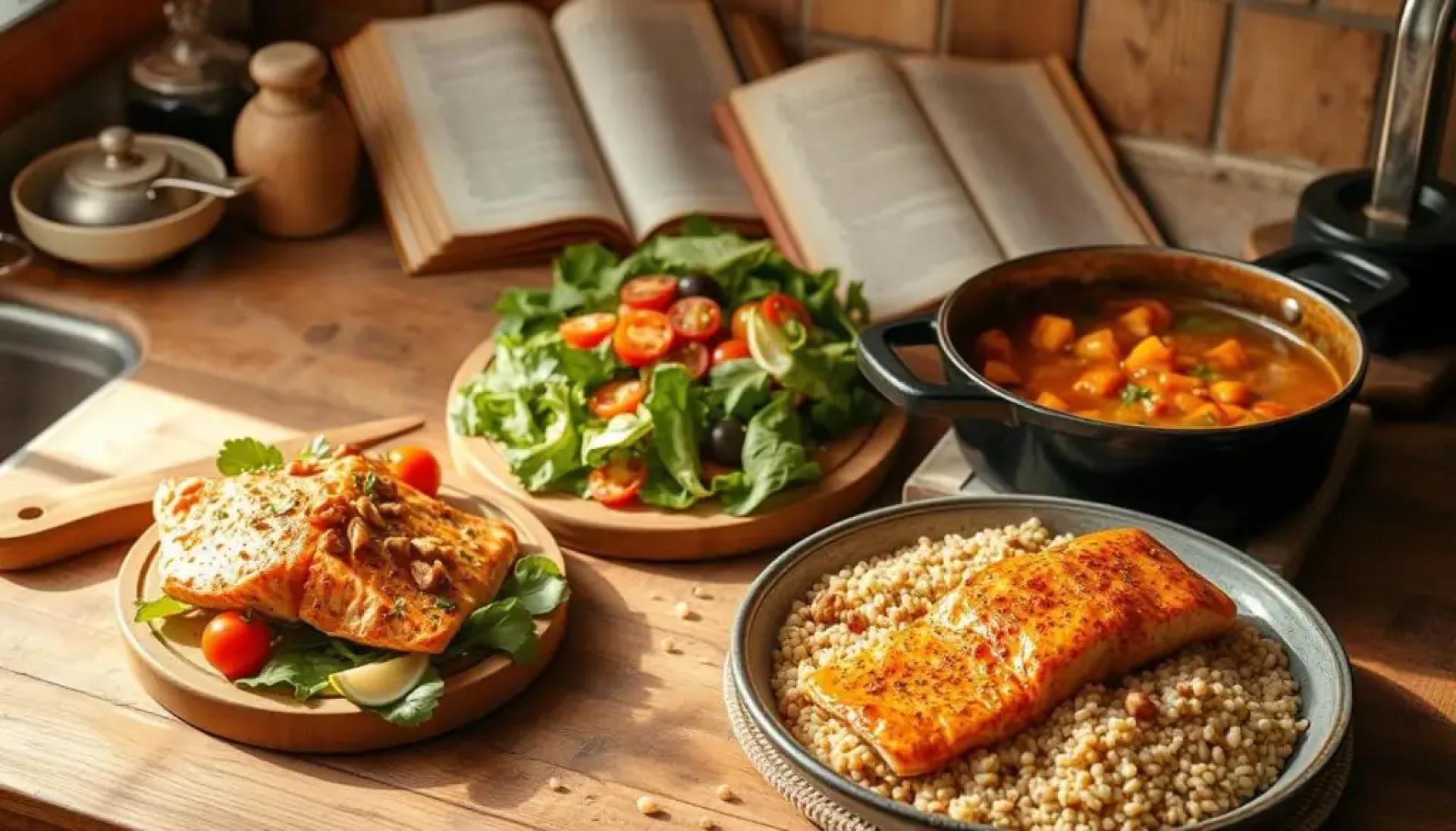
Roam Diet Basics: Understanding High-Protein Eating introduces a flexible nutritional approach designed for people who want healthy, protein-focused meals without strict dietary rules. At Best Writes, we specialize in practical and sustainable nutrition guidance that fits modern lifestyles. The roam diet emphasizes high-protein foods, balanced macronutrients, and portability, making it suitable for busy professionals, travelers, and beginners seeking long-term health improvements.
This article explains the fundamentals of the roam diet, how high-protein eating works, and how beginners can apply it effectively.
What Is the Roam Diet?
The roam diet is a lifestyle-based eating method that prioritizes nutritional balance while allowing flexibility in food choices and meal timing. Instead of rigid meal plans, it focuses on core principles:
- Protein-centered meals
- Balanced intake of carbohydrates and fats
- Portable and easy-to-prepare foods
- Consistency rather than restriction
This structure makes the roam diet adaptable and sustainable for everyday life.
Understanding High-Protein Eating
High-protein eating means intentionally including adequate protein in every meal to support body function and satiety. Protein is essential for:
- Muscle maintenance and recovery
- Hormone and enzyme production
- Appetite regulation
- Metabolic health
In the roam diet, protein is not excessive but strategically balanced with carbohydrates, fats, and fiber.
Recommended Protein Intake in the Roam Diet
For most adults, a practical target is:
- 25–40 grams of protein per meal
- 1.6–2.2 grams per kilogram of body weight per day
These ranges support muscle health and energy levels without unnecessary excess.
Best Protein Sources for the Roam Diet
Animal-Based Proteins
These provide complete amino acid profiles:
- Chicken, turkey, lean beef
- Eggs and egg whites
- Fish such as salmon, tuna, and sardines
- Greek yogurt and cottage cheese
Plant-Based Proteins
Ideal for vegetarians or for added variety:
- Lentils, chickpeas, and beans
- Tofu and tempeh
- Edamame and peas
- Nuts, seeds, and plant-based protein powders
Role of Carbohydrates in High-Protein Eating
Carbohydrates supply energy and support brain function. The roam diet favors complex carbohydrates, including:
- Whole grains like oats, quinoa, and brown rice
- Starchy vegetables such as sweet potatoes
- Fruits and legumes for fiber and micronutrients
Pairing carbohydrates with protein improves blood sugar stability and sustained energy.
Importance of Healthy Fats
Healthy fats enhance nutrient absorption and support hormonal health. Key sources include:
- Olive oil and avocado
- Nuts and seeds
- Fatty fish
Balanced fat intake improves satiety and meal satisfaction.
Sample High-Protein Roam Meals
- Breakfast: Greek yogurt with berries, nuts, and chia seeds
- Lunch: Grilled chicken quinoa bowl with vegetables
- Snack: Hard-boiled eggs with almonds
- Dinner: Baked salmon with brown rice and broccoli
- Portable Option: Lentil salad jars or protein wraps
These meals are simple, portable, and nutritionally balanced.
Benefits of the Roam Diet Approach
- Supports lean muscle mass
- Improves appetite control
- Enhances daily energy levels
- Encourages flexible eating habits
- Promotes long-term nutritional consistency
Common Mistakes to Avoid
- Overusing protein supplements instead of whole foods
- Ignoring vegetables and fiber
- Relying on processed “high-protein” snacks
- Skipping meals due to poor planning
Balanced, whole-food choices are key to success.
Frequently Asked Questions (FAQ)
Is the roam diet suitable for beginners?
Yes. Its flexible structure makes it easy to follow without prior diet experience.
Can high-protein eating help with weight management?
Yes. Protein increases satiety and helps preserve lean muscle mass.
Do I need supplements on the roam diet?
No. Supplements are optional and mainly used for convenience.
Can vegetarians follow the roam diet?
Absolutely. Plant-based proteins can fully support the diet.
Is the roam diet safe long term?
Yes. Balanced macronutrients and flexibility support long-term health.
Final Thoughts | Best Writes
Roam Diet Basics: Understanding High-Protein Eating highlights how a protein-focused yet balanced approach can support energy, muscle health, and sustainable nutrition. By combining high-quality protein with complex carbohydrates, healthy fats, and fiber, the roam diet provides a practical solution for modern lifestyles.
At Best Writes, we focus on delivering reliable, professional nutrition content designed for real-world application. The roam diet offers a flexible, effective, and health-forward approach to eating—anytime and anywhere.