
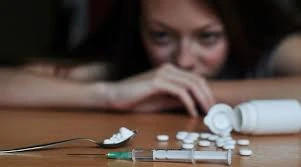

Drug addiction is becoming an increasing concern in Navi Mumbai, affecting individuals across age groups and backgrounds. The growing need for the best rehabilitation centre in navi mumbai reflects how families are actively seeking support, awareness, and long-term recovery solutions.
Addiction is not simply a lack of willpower. It is a complex condition influenced by emotional, psychological, and environmental factors. Understanding its causes, identifying early warning signs, and knowing the available recovery options can make a meaningful difference in someone’s life.
Understanding the Rise in Drug Addiction
Substance use disorders have been steadily rising in urban regions due to changing lifestyles, stress, and social influences. In cities like Navi Mumbai, rapid development and competitive environments can contribute to emotional strain.
Addiction often coexists with mental health challenges such as Depression and Anxiety Disorder. When these conditions go untreated, individuals may turn to substances as a coping mechanism.
Common Contributing Factors
- High stress levels from work or academic pressure
- Peer influence, especially among youth
- Emotional struggles like loneliness or unresolved trauma
- Easy accessibility of substances
- Lack of awareness about mental health support
Addiction rarely develops overnight. It usually begins with occasional use that gradually becomes dependence.
Early Warning Signs of Drug Addiction
Recognizing early signs can help families intervene before the situation worsens. These signs may be physical, emotional, or behavioral.
Behavioral Changes
- Sudden withdrawal from family and friends
- Loss of interest in hobbies or daily activities
- Secretive behavior or lying
- Decline in academic or work performance
Emotional Indicators
- Mood swings or irritability
- Increased anxiety or restlessness
- Feelings of hopelessness
- Unusual aggression or defensiveness
Physical Symptoms
- Changes in sleep patterns
- Sudden weight loss or gain
- Lack of personal hygiene
- Frequent fatigue or low energy
These signs may vary from person to person, but consistent changes should not be ignored.
The Impact on Individuals and Families
Drug addiction does not affect just one person. It impacts the entire family system.
Individuals may experience:
- Difficulty maintaining relationships
- Financial instability
- Declining physical and mental health
- Loss of confidence and self-worth
Families often go through emotional distress, confusion, and helplessness. Many struggle to understand how to support their loved one without enabling harmful behavior.
This is where structured professional help becomes essential.
Role of Rehabilitation Centres in Recovery
Rehabilitation centres provide a safe and structured environment where individuals can focus on healing. Recovery is not just about stopping substance use. It involves addressing the root causes and building healthier coping mechanisms.
At a best rehabilitation centre in navi mumbai, individuals typically receive:
- Medical supervision during detox
- Psychological counseling and therapy
- Behavioral therapy sessions
- Peer support and group therapy
- Relapse prevention planning
These centres focus on long-term recovery rather than short-term fixes.
Treatment Approaches for Addiction Recovery
Effective treatment combines medical care with emotional and psychological support.
1. Detoxification
Detox is often the first step. It helps remove harmful substances from the body under medical supervision. This phase can be physically challenging, which is why professional care is important.
2. Therapy and Counseling
Therapy plays a central role in recovery. It helps individuals understand their triggers and develop healthier coping strategies.
Common approaches include:
- Cognitive Behavioral Therapy
- Individual counseling
- Family therapy
- Group therapy sessions
3. Holistic Healing Methods
Many centres also incorporate holistic approaches such as:
- Meditation and mindfulness
- Yoga and physical activities
- Art or music therapy
These methods support emotional balance and overall well-being.
Importance of Relapse Prevention
Recovery does not end after treatment. Maintaining sobriety requires ongoing effort and support.
Relapse prevention strategies include:
- Identifying triggers and avoiding high-risk situations
- Building a strong support system
- Continuing therapy or support groups
- Developing healthy daily routines
Families also play an important role by providing encouragement and understanding without judgment.
Seeking Help at the Right Time
Delaying treatment can make recovery more difficult. Early intervention improves the chances of long-term success.
Many individuals hesitate due to stigma or fear. However, addiction is a health condition that requires care and support, just like any other illness.
If you or someone you know is struggling, reaching out to a de addiction centre in navi mumbai can be a crucial first step toward recovery.
Frequently Asked Questions (FAQs)
1. What are the first signs of drug addiction?
Early signs include behavioral changes, mood swings, withdrawal from social activities, and changes in sleep or appetite. Recognizing these early can help in timely intervention.
2. Can addiction be treated successfully?
Yes, addiction can be managed effectively with proper treatment, therapy, and long-term support. Recovery is a gradual process that requires consistency and commitment.
3. How long does rehabilitation take?
The duration varies depending on the individual’s condition, substance use history, and treatment plan. It can range from a few weeks to several months.
4. Is family involvement important in recovery?
Yes, family support plays a significant role. It helps individuals feel understood and motivated while also improving communication and relationships.
5. What happens after completing rehab?
After rehab, individuals are encouraged to continue therapy, attend support groups, and follow relapse prevention strategies to maintain long-term recovery.
Conclusion
The rise in drug addiction cases highlights the need for awareness, early intervention, and compassionate support. Understanding the causes and recognizing warning signs can help individuals and families take timely action.
Recovery is not a one-time event but a continuous journey. With the right guidance, structured care, and emotional support, individuals can rebuild their lives and move toward a healthier and more stable future.