
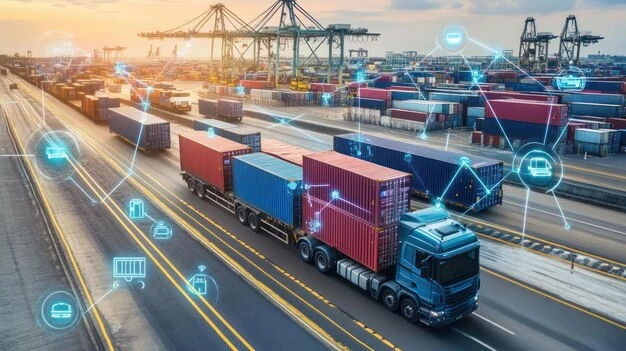
In today’s fast-paced world, road freight tracking has become an essential tool for businesses and logistics providers. With the rapid growth of e-commerce and global trade, keeping track of shipments in real-time is more crucial than ever. Whether it’s local deliveries or long-haul transportation, advanced tracking systems offer enhanced visibility, efficiency, and security, ensuring that goods reach their destinations on time and without complications.
The Importance of Road Freight Tracking in Logistics
The logistics industry thrives on precision, reliability, and efficiency. Road freight tracking plays a pivotal role in ensuring that supply chains remain seamless, reducing delays, and increasing operational control. Here are a few key benefits of integrating tracking systems into road freight services:
1. Real-Time Visibility
Modern tracking solutions provide businesses with real-time updates on their shipments, allowing them to monitor routes, estimated arrival times, and any unexpected delays. This level of transparency helps logistics providers optimize their operations and offer better customer service.
2. Enhanced Security
Cargo theft and losses are major concerns in the logistics industry. With GPS-enabled road freight transport tracking, businesses can monitor their shipments 24/7 and take immediate action in case of security threats, ensuring safer delivery.
3. Improved Route Optimization
AI-driven tracking systems can analyze traffic patterns, weather conditions, and road infrastructure to suggest the most efficient routes. This helps in reducing fuel consumption, cutting down delivery times, and minimizing operational costs.
4. Better Compliance and Documentation
Governments and regulatory authorities impose strict compliance measures on freight transport. Tracking systems automate record-keeping, ensuring that businesses adhere to legal requirements while maintaining an accurate shipment history.
The Role of Technology in Road Freight Tracking
The rise of digital transformation has revolutionized road freight logistics. Advanced technologies like IoT, AI, and blockchain are enhancing the efficiency and reliability of tracking systems. Here’s how:
1. IoT-Based Smart Sensors
Internet of Things (IoT) devices are integrated into trucks and cargo to provide real-time data on temperature, humidity, and shock levels. This is particularly useful for industries that transport perishable goods or fragile products.
2. AI and Machine Learning
Artificial intelligence analyzes past data to predict potential disruptions in delivery, helping logistics companies take proactive measures. AI-powered tracking also helps in demand forecasting, ensuring optimal fleet management.
3. Blockchain for Secure Transactions
Blockchain technology enhances transparency and security by storing shipment records in tamper-proof ledgers. This eliminates the risk of data manipulation and ensures that all transactions remain verifiable.
The Impact on Global Logistics and Trade
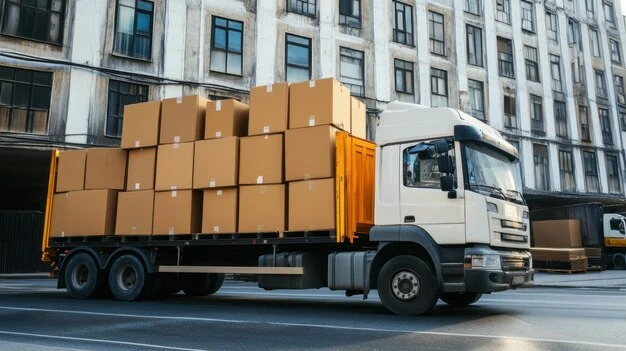
Efficient road freight shipping is crucial for both domestic and international trade. With businesses expanding their reach globally, the demand for robust tracking solutions has skyrocketed. For instance, when integrating international air freight with road freight logistics, seamless tracking ensures that shipments transition smoothly from air to road transport, reducing delays and optimizing supply chain operations.
Future Trends in Road Freight Tracking
The logistics industry is constantly evolving, and new trends continue to shape the future of road freight transport. Here are some emerging developments to watch for:
1. Autonomous Freight Vehicles
Self-driving trucks equipped with advanced tracking and navigation systems are expected to reduce human dependency while increasing efficiency and safety in road freight transportation.
2. 5G-Enabled Tracking Solutions
With the rollout of 5G networks, tracking systems will experience faster data transmission, improved connectivity, and real-time analytics, ensuring better decision-making in freight management.
3. Sustainability and Green Logistics
Eco-friendly tracking solutions will play a key role in reducing carbon footprints. Companies are adopting electric and hybrid freight vehicles integrated with smart tracking to optimize energy consumption.
Conclusion
The adoption of road freight tracking has transformed the logistics industry by enhancing efficiency, security, and reliability. Whether it’s optimizing routes, improving cargo safety, or integrating cutting-edge technologies, tracking systems are now an indispensable part of modern freight transport. As businesses continue to expand their supply chains, leveraging these advanced solutions will ensure they remain competitive in the ever-evolving logistics landscape.
For businesses looking to streamline their logistics operations with cutting-edge tracking solutions, Postkodes offers reliable and efficient services to meet your transportation needs.