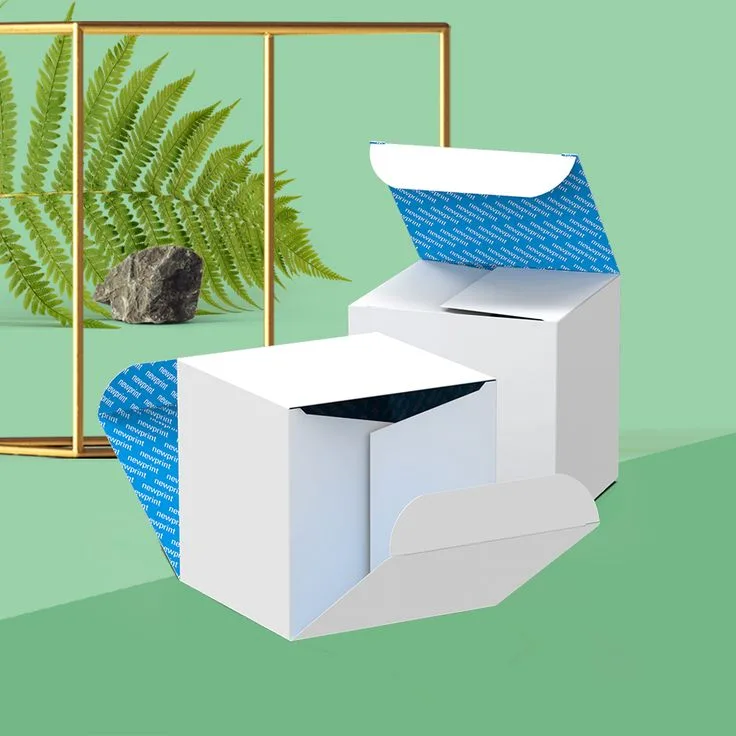
The reverse tuck box market demand is influenced by expanding e-commerce, rising consumer product consumption, sustainability preferences, customized branding, and the need for efficient product packaging. Reverse tuck boxes provide a practical combination of protection, presentation, convenience, and flexible design, making them suitable for a wide range of industries.
E-Commerce Driving Packaging Requirements
The continued expansion of online shopping is increasing demand for reliable product packaging. Products shipped through e-commerce channels may pass through multiple handling and transportation stages before reaching consumers.
Reverse tuck boxes can be adapted to provide stronger protection while maintaining lightweight construction. Their customizable dimensions allow manufacturers to develop packaging that fits products efficiently, reducing unnecessary space and material usage.
Growing Retail Applications
Retail remains an important source of demand. Brands use reverse tuck boxes to protect products while providing attractive surfaces for branding, product information, and promotional messaging.
The packaging format can support different product categories, from personal care and cosmetics to food, accessories, household products, and specialty goods. Its adaptable structure makes it useful for both everyday and premium products.
Sustainability Influencing Buyers
Environmental awareness is increasingly shaping packaging decisions. Businesses are looking for recyclable materials, lightweight structures, responsible sourcing, and reduced packaging waste.
Reverse tuck boxes made from suitable paperboard can support these objectives. Manufacturers are also improving material efficiency and exploring environmentally preferable inks, coatings, and adhesives.
Sustainability-focused packaging can attract brands seeking to align their products with changing consumer expectations.
Customization Increasing Demand
Packaging customization has become a significant demand driver. Brands want boxes that communicate their identity and create stronger visual differentiation.
Reverse tuck boxes can be customized through colors, graphics, dimensions, finishes, textures, and structural features. Digital printing technologies make it easier to support smaller production runs, seasonal campaigns, limited editions, and personalized designs.
Cosmetics And Personal Care
Cosmetics and personal care products often rely heavily on packaging presentation. Reverse tuck boxes provide printable surfaces that can showcase product information and brand imagery.
Premium finishes and distinctive graphics can increase shelf visibility and create a stronger perception of product quality. As brands introduce new product variations, flexible packaging formats can help meet changing design requirements.
Food And Specialty Products
Food and specialty consumer products represent another area of demand. Packaging needs to provide adequate protection while supporting product presentation and communication.
Manufacturers can develop different board grades and structural configurations depending on product weight, dimensions, and distribution requirements. Attractive printing can further support consumer engagement.
Pharmaceutical Applications
Healthcare and pharmaceutical products require packaging that provides clear information and consistent construction. Reverse tuck boxes can accommodate product details, instructions, branding, and identification elements.
Manufacturers serving this segment must maintain strict quality standards and ensure accurate printing and structural consistency.
Small Business And Startup Demand
Smaller businesses increasingly recognize packaging as an important part of brand development. Customized reverse tuck boxes allow emerging brands to create professional product presentations without relying exclusively on generic packaging.
Flexible printing and shorter production capabilities can make customized packaging more accessible to smaller businesses.
Premiumization Supporting Value
Demand is also influenced by premium product positioning. Brands may invest in enhanced packaging to communicate exclusivity and improve customer experiences.
Embossing, specialty finishes, textured surfaces, and high-quality printing can transform a standard reverse tuck box into a more distinctive packaging solution.
Efficient Storage And Logistics
Reverse tuck boxes can be stored flat before assembly, supporting efficient warehouse utilization. Their compact storage format can also simplify transportation between manufacturers, distributors, and customers.
Optimizing packaging dimensions can further improve logistics efficiency and reduce unnecessary transportation costs.
Technology Supporting Flexible Demand
Modern manufacturing technologies allow suppliers to respond to changing order volumes and designs. Automated cutting, folding, printing, and inspection can improve production efficiency and consistency.
Digital production systems can support customized orders and shorter production cycles. These capabilities are increasingly important as brands expect greater flexibility and faster turnaround.
Factors Affecting Future Demand
Several factors may influence future reverse tuck box market demand, including consumer spending, e-commerce activity, sustainability requirements, product launches, retail expansion, and packaging innovation.
Manufacturers that monitor these changes can adjust their production capabilities and develop products suited to emerging applications.
Supply Chain And Cost Considerations
Demand can also be affected by packaging prices and material availability. Rising paperboard, energy, labor, and transportation costs may influence purchasing decisions.
Manufacturers can support stable demand by improving production efficiency, reducing waste, and offering different material and design options according to customer budgets.
Future Demand Outlook
The reverse tuck box market demand is expected to remain supported by the need for functional, attractive, customizable, and environmentally responsible packaging. E-commerce and consumer branding will continue to create opportunities, while sustainability will influence material and design decisions.
Manufacturers that combine flexible customization with efficient production can respond effectively to diverse customer requirements. Continued development in digital printing, automation, structural design, and sustainable materials can further expand applications.
Overall, reverse tuck boxes offer a versatile packaging solution for businesses seeking an effective balance between protection, presentation, convenience, and cost efficiency. As packaging continues to become an important part of product differentiation and consumer experience, demand for adaptable reverse tuck box solutions can continue developing across multiple industries.