
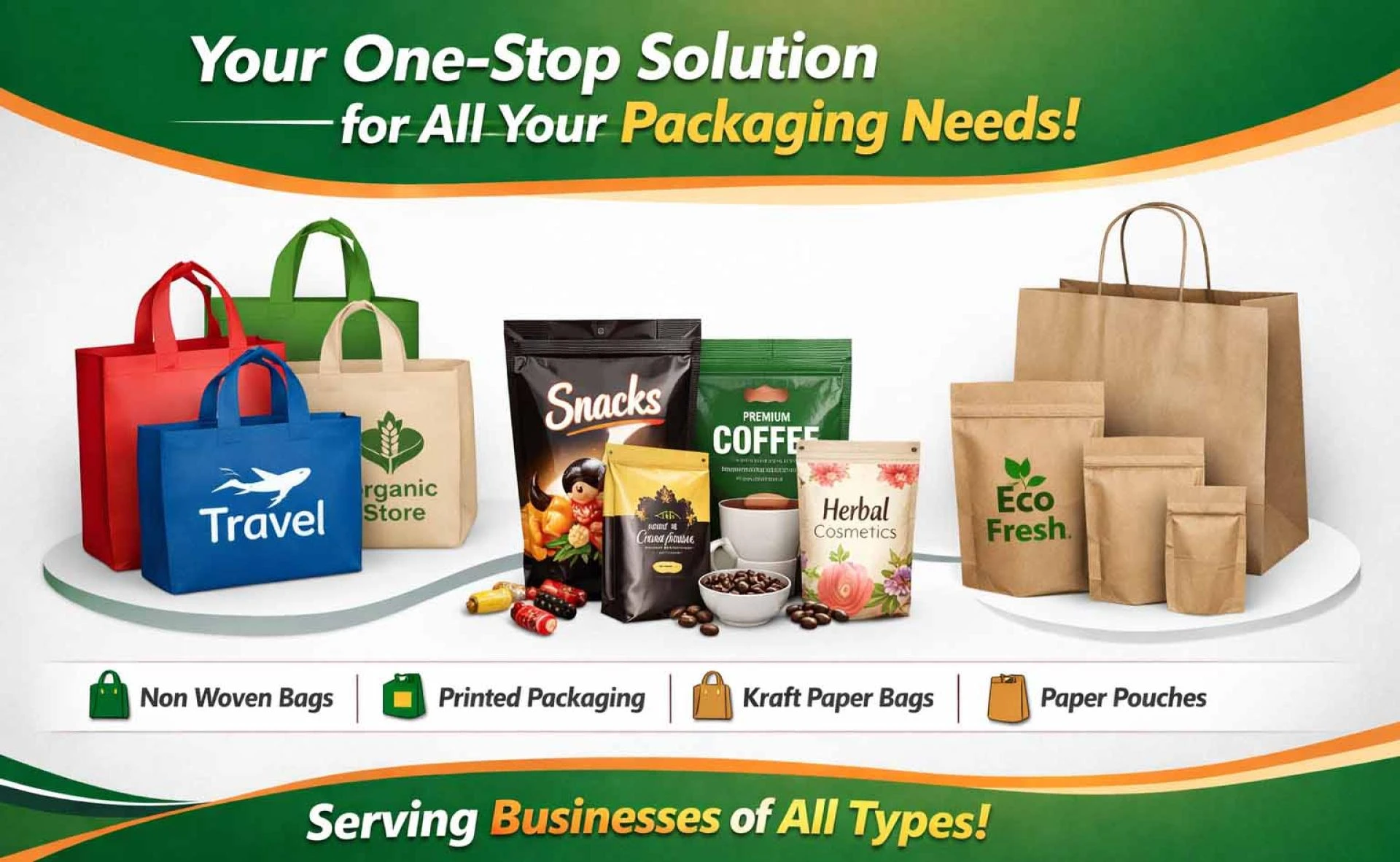
Most brands think a bag is just a bag. It is not. The right pack can change how people see you in seconds. That is where non woven bags step in. They look clean. They feel strong. And they keep your brand in hand, not in the bin.
The part most brands rush and regret
You pick fast. You pick cheap. Then you watch bags tear, prints fade, and your name look weak. I have seen this more than once while helping small shops fix bad orders. It costs more to fix than to get right.
Here is what most people miss. Good bags are part of your brand story. They shape first impression and long term brand trust. If the bag feels thin, your product feels cheap. If the print looks dull, your logo loses power.
A simple way to think about it helps. non woven bags use fibers pressed into a sheet. They are not woven like cloth, yet they act like it in daily use. They sit between plastic and fabric, which is why they work for many use cases.
That said, this does not work for every situation. If you ship heavy metal parts, you may need thicker options or layered protective packaging. It depends on weight and use.
Why cheaper is not always smarter here
Low price looks good on a quote. But it hides real costs. Poor print quality kills visual appeal. Weak handles break. And bad seal integrity ruins the whole experience.
You want durable materials and strong stitching. You want high resolution printing so your logo stays sharp. Digital printing works for small runs. Flexographic printing fits large runs with stable color.
Now the hard truth. Many think plastic is always worse. That is not always true. A thick plastic bag used many times can beat a thin one used once. Which is exactly why non woven bags matter. They push reuse. They cut landfill contributions when used again and again.
A short definition helps here. Sustainable practices aim to lower harm to the earth. They focus on waste reduction initiatives, smart use of resources, and lower carbon footprint. In packaging, that means less waste, longer use, and safer inks.
You can also match inks and add ons. Use water based inks or soy based inks. Add eco friendly tape for inserts. Keep packaging inserts light. Use kraft paper for tags if needed.
What actually happens when you get this right
You see it at the counter. A customer holds the bag, looks at the print, and smiles. That moment builds an emotional connection. It drives repeat purchases later.
Smart brands use custom designed packaging. They pick a custom color palette. They tune typography on packaging. They keep brand consistency across bags, labels, and stickers.
Here is a quick way to define it. Branded packaging is any pack that shows your name, colors, and voice. It builds brand recognition and product identity. It also lifts perceived value in a simple, direct way.
Now add a few smart touches. Use custom stickers or hang tags. Add a short thank you card. Keep the unboxing experience neat, even for a bag. People share it on social media when it feels special.
But do not overdo it. Too many fillers, ribbons, or tissue paper can feel wasteful. And many environmentally aware shoppers notice that fast. Keep it clean. Keep it useful.
Are non woven bags really eco friendly or just hype?
Short answer first. They can be eco friendly when used many times and made with care. If used once, they lose that edge fast.
The longer answer matters more. non woven bags often use polypropylene fibers. They are lightweight materials with good strength. They cut the need for single use plastics alternatives when reused often. They also support circular economy principles when recycled where systems exist.
Here is a simple definition block. Environmental impact means the total effect a product has on the earth. It includes raw materials, energy use, and end of life. A life cycle assessment looks at all these stages.
Now the pushback. Many blogs claim these bags are always green. That is too simple. If your local system does not recycle them, they can still add to landfill contributions. There are exceptions worth knowing.
You can go further. Ask about biopolymers like PLA or blends with bagasse or bamboo fibers. Check for ISO 14001 processes. Look for FSC certified paper parts if you add tags. And confirm non toxic inks and food contact safe options if you serve food.
The hidden side no one talks about, moving, storing, and scaling
The bag does not live on a shelf. It moves. It ships. It stacks. This is where non woven bags often win.
They fold flat. That boosts storage efficiency. They weigh little, which helps shipping efficiency. And they pack tight, which cuts cost.
In practice, your logistics shape your profit. Bulk ordering lowers unit cost. But you need space. Flexible production runs help when demand shifts. A low minimum order quantity helps startups test without risk.
Here is a quick definition. Supply chain management is how you plan, move, and store goods from maker to buyer. Good flow cuts delay, cost, and waste.
You should also check barrier properties and moisture resistant packaging if your goods need it. Add tamper evident packaging for safety where needed. Food businesses must ask for FDA compliant and food grade packaging. Safety standards matter more than style in that case.
The question buyers ask late, what should you check before you order?
Start with use. What will go inside. How heavy. How often will people reuse it. Then match size customization and material thickness to that need.
Next, check print. Ask for samples. Look at color accuracy. Check if the logo printing holds after a few uses. High resolution printing should stay crisp.
Now think about brand. Does the bag match your product identity. Does it fit your market appeal. Fashion brands may want bold colors. Grocery retailers may want clean, simple looks.
Here is a clear definition. Quality assurance means you check and control product quality at each step. It covers materials, print, and final checks. It keeps results steady.
Then check the partner. Are they reliable suppliers. Do they offer consistent delivery and fast turnaround. Do they meet REACH compliance and RoHS compliance where needed. A trusted manufacturer makes a big difference.
One more thing. Not every brand needs heavy custom work. Some do fine with simple designs. It depends, and that matters a lot here.
Where they fit best, and where they do not
You will see strong results in boutiques, supermarkets, and cosmetics brands. They boost brand storytelling and customer engagement. They work well for corporate gifting and events too.
Online retailers can use them for local delivery or store pickup. They add a premium feel without high cost. They also help word of mouth marketing when people carry them out.
But there are limits. For long distance shipping, you may still need padded mailers or poly mailers. For vacuum needs, you need vacuum pouches or resealable packaging with strong seal. Use the right tool for the job.
A short definition to close this idea. Protective packaging keeps items safe from damage, dust, and moisture. It uses layers, seals, and smart shapes to protect goods.
And this is the part that surprises most people. A simple bag can act as a packaging as marketing tool. When used well, non woven bags turn into walking ads.
You can also test small runs. Try seasonal packaging. Use limited edition colors. Track customer satisfaction and repeat purchases. Adjust fast. That is how small businesses grow without big risk.
Across all this, non woven bags keep showing up as a smart middle ground. They balance cost effectiveness, look, and reuse. They are not perfect. But used right, non woven bags can lift both your brand and your bottom line.
FAQs
Q: are non woven bags better than paper bags
They can be better if people reuse them many times. Paper bags are easy to recycle. But they tear fast when wet.
Q: how many times should a non woven bag be used
Use it as many times as you can. After many uses, it beats single use options in impact.
Q: can I print my logo on these bags
Yes, you can. Ask for high resolution printing so your logo looks sharp and lasts.
Q: are they safe for food items
They can be safe if made with food grade packaging and non toxic inks. Always ask for FDA compliant options.
Q: what size should I pick for my store
Pick based on your product size and weight. Test one or two sizes before you order in bulk.