
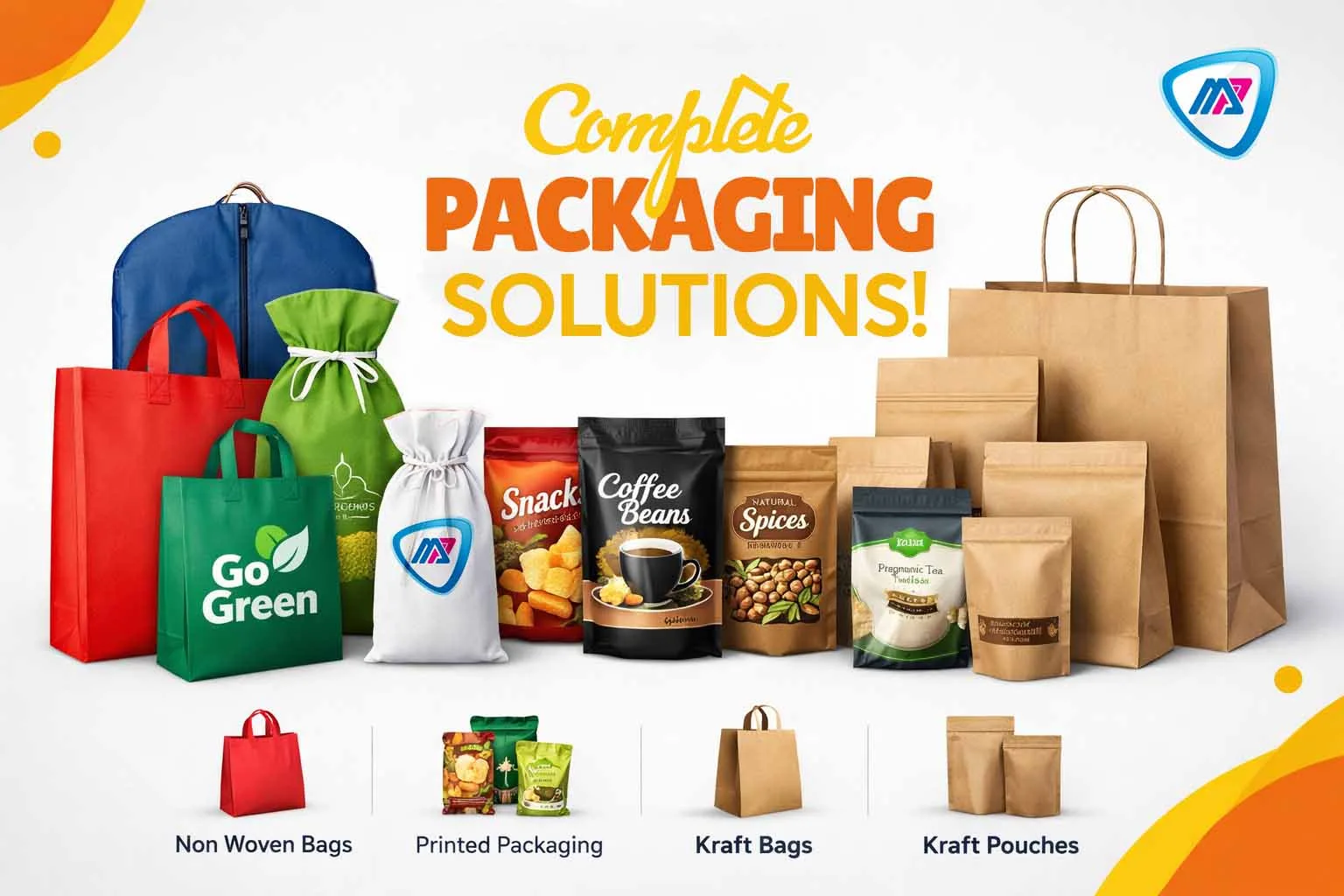
In many shops today, packaging is changing fast. One option that keeps showing up more often is non woven bags. They feel light in your hand but strong in use. They also help cut waste in daily business work.
And here is the thing most people miss. These bags are not just about carrying items. They shape how your brand feels the moment a customer walks out the door. That first touch matters more than most owners think.
I have seen small stores switch from thin plastic to non woven bags and notice something simple but real. Customers hold on to them. They reuse them. That reuse turns into free brand reach without extra effort.
The quiet switch stores are making
Walk into a busy shop and look at the checkout counter. You will often spot non woven bags stacked near the register. Not by chance. Owners are choosing them for simple reasons that link back to cost control and waste reduction initiatives.
The shift did not happen overnight. It came from pressure from environmental regulations and growing sustainability goals that many businesses now track closely. Plastic use is being questioned more each year, and stores are adjusting.
Definition block
Non woven bags are made from pressed fibers instead of woven threads. This makes them light but strong. They can be reused many times before wearing out.
What most owners notice first is durability. These bags do not tear easily. That alone changes how staff pack items and how customers feel when they leave.
But there is another side. Not every store needs the same type of packaging. This does not work for every situation, and that matters a lot here. A bakery and a clothing store do not use packaging the same way.
Still, reusable packaging is rising because customers now expect eco-conscious consumer behavior from the brands they support. And yes, expectations keep growing every year.
Why these bags win over old plastic habits
Plastic bags once ruled every counter. Cheap, fast, easy. But they also added to landfill contributions and raised long term environmental impact concerns that are now hard to ignore.
non woven bags step in as a simple replacement. They are part of single-use plastics alternatives that many businesses test first before changing full systems.
Definition block
A single-use alternative is a product designed to replace disposable items. It aims to reduce waste and support reusable habits.
Here is where most people get it wrong. They assume switching material alone fixes the problem. It does not. Behavior matters more than material. If customers still throw bags away, nothing changes much.
And I will be honest here. I used to think cheaper plastic was always better for small budgets. That belief breaks down fast once repeat use is counted. One reusable bag can replace dozens of throwaway ones over time.
There are exceptions worth knowing. Very high moisture or heat use cases may need other packaging like LDPE films or protective packaging layers. So choice depends on use, not trend.
What really drives adoption is eco-friendly tape, recyclable materials, and even small details like water-based inks or soy-based inks used in printing. These small shifts build trust over time.
What actually happens when branding meets fabric-like bags
Brands often underestimate packaging power. A plain bag feels forgettable. A printed non woven bags design feels personal. That difference shapes customer memory.
Definition block
Branding is the visual and emotional identity of a business. It includes color, print, and how packaging feels in hand.
Now think about packaging psychology. People judge value in seconds. A strong bag adds to perceived value even before the product is seen.
This is where custom-designed packaging, logo printing, and personalized packaging come in. Even simple typography on packaging can change how premium a product feels.
And this is the part that surprises most people. I once worked with a small retail setup that switched to non woven bags with a simple logo. Nothing fancy. But repeat visits went up within weeks because customers remembered the experience.
But here is a reality check. Branding alone will not fix weak products. That belief is common and wrong. Packaging supports value, it does not replace it.
In practice though, logistics also improve. These bags fold flat, store easily, and speed up checkout flow. Staff handle less mess and more speed during busy hours.
That small change matters during peak rush. Less time packing means smoother customer flow and better service pressure control.
Can you really cut waste without losing strength?
Yes, you can reduce waste while still keeping strong packaging, but it depends on how you use the material and how often you reuse it in real daily work.
Many businesses fear that switching means weaker packaging. That is not always true. non woven bags hold weight better than expected when used correctly.
Definition block
Waste reduction means lowering the amount of thrown away material. It often includes reuse systems and smarter packaging choices.
Strength comes from material thickness and design, not just type. Flexible production runs allow different sizes and weights depending on need. That is why some stores move to scalable packaging solutions.
I have seen cases where stores doubted durability at first. After testing, they kept the bags because they held up under daily use. That hesitation is normal. It takes real handling to trust a change.
But there is a limit. Heavy industrial goods may still need reinforced packaging or tamper-evident layers. So again, it depends on use case.
What matters most is consistency. If customers trust the bag, they reuse it. That reuse drives both waste reduction and brand recognition at the same time.
The part most brands overlook
Most talk about packaging focuses on looks. Few talk about supply and flow. That is where real results sit.
non woven bags work best when supply is steady and quality stays stable. Reliable suppliers, fast turnaround, and on-time delivery matter more than design alone.
Definition block
Supply chain management is how products move from maker to business. It includes storage, shipping, and delivery timing.
Here is what most people miss. If packaging arrives late or changes quality often, customer trust drops fast. Brand consistency suffers even if design is strong.
And yes, packaging as marketing tool only works when the system behind it is stable. That includes bulk ordering and quality assurance steps that many small businesses skip.
I have seen cases where stores switched suppliers often to save small costs. The result was uneven quality and confused customers. That trade off is rarely worth it.
So the real win comes from balance. Good material, steady supply, and clear design.
Where real use starts in daily business
You see non woven bags most in places where speed and repetition matter. Grocery counters, fashion shops, and small boutiques use them daily.
They also fit well with corporate gifting and customer giveaways. People keep them longer, which helps brand recall without extra ad spend.
Definition block
Customer loyalty means people return to buy again. It grows from trust and good experience over time.
Some businesses even match color customization with seasonal packaging trends. Others focus on minimalist packaging to keep cost low and speed high.
But here is a simple truth. Not every business needs full customization. Sometimes a basic clean design works better than complex branding.
And that matters in busy retail environments where speed beats decoration.
FAQs
What are non woven bags used for in shops
They are used for carrying goods after purchase. They replace thin plastic bags in many stores. They also help reduce waste in daily business work.
Are non woven bags strong enough for heavy items
Yes, they can hold moderate weight if made with proper thickness. Very heavy goods may need stronger packaging layers.
Can these bags be reused many times
Yes, most can be reused many times before damage. Reuse depends on how they are handled and stored.
Do customers actually prefer reusable bags
Many do, especially when they care about waste reduction. Preference also depends on convenience and design.
Are non woven bags better for branding than plastic
They often work better because they last longer. Longer use means more brand exposure over time.