
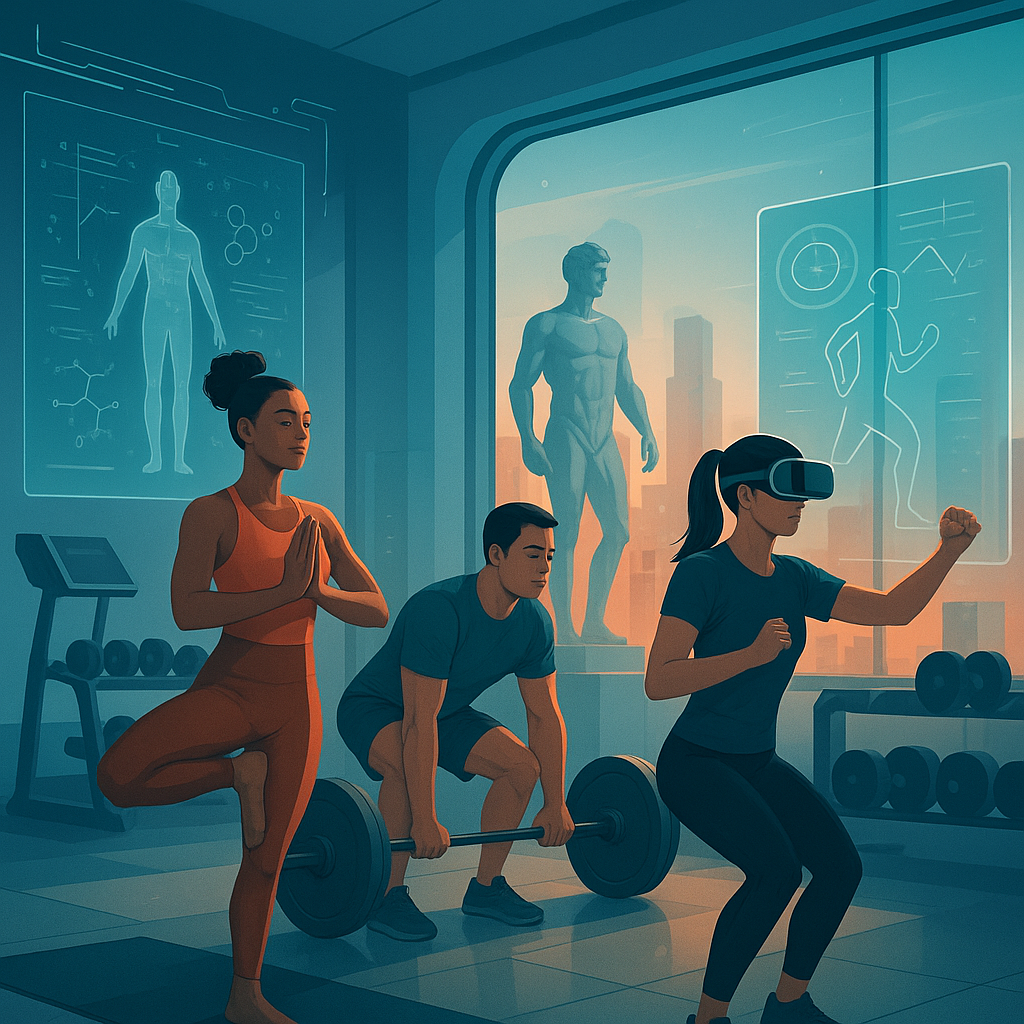
Reimagining Fitness: From Routines to Lifelong Vitality
On a brisk spring morning in 2026, a diverse group gathers in a sprawling urban park—not for a traditional gym workout, but for a session blending mindfulness, movement, and social connection. This scene captures a fundamental shift in how fitness is perceived and pursued globally. The statistics underscore this transformation: according to the International Health and Wellness Association, global participation in integrative fitness programs has surged by 45% since 2023, signaling a move beyond mere physical exertion toward holistic well-being.
Fitness is no longer confined to repetitive drills or gym memberships. Instead, it has evolved into a multifaceted pursuit encompassing physical health, mental resilience, and social engagement. The expanding fitness ecosystem includes technology-enhanced training, personalized nutrition, and community-driven initiatives. This deepening complexity reflects broader cultural changes and scientific advancements that have redefined what it means to be fit in 2026.
"Today's fitness landscape is less about isolated workouts and more about integrating body, mind, and community for enduring vitality," says Dr. Lila Chen, a leading wellness researcher.
Tracing the Evolution: How Fitness Practices Have Transformed
The journey to the current fitness paradigm is rooted in decades of cultural shifts and scientific discoveries. In the 20th century, fitness largely centered on cardiovascular and strength training, with mass adoption stemming from the jogging craze of the 1970s and the aerobics boom of the 1980s. The 2000s introduced functional training and boutique studios, while the 2010s saw the rise of wearable tech and app-driven workouts.
By the early 2020s, the health and wellness industry began emphasizing personalization and mental health, driven by growing evidence linking exercise to cognitive and emotional benefits. The COVID-19 pandemic accelerated digital fitness adoption, but also highlighted the importance of social interaction and outdoor activity.
Technological advances such as AI-driven coaching, genomics-based nutrition plans, and immersive virtual reality workouts have reshaped user expectations. Simultaneously, cultural movements around inclusivity and body positivity have broadened the definition of fitness to be more accessible and holistic.
Fitness expert and author Carlos Medina notes, "The last decade has been about breaking down barriers—making fitness adaptable to diverse bodies, goals, and lifestyles."
Data-Driven Insights: The New Metrics Defining Fitness Success
Scientific research and big data analytics now underpin fitness strategies in unprecedented ways. Traditional metrics like weight loss and endurance are supplemented by complex biomarkers, mental health indices, and social engagement scores.
Recent studies reveal that integrating mental health practices with physical training improves adherence and outcomes. For example, a 2025 meta-analysis published in the Journal of Behavioral Medicine found a 32% higher retention rate among participants who combined mindfulness techniques with exercise routines.
Wearable devices and AI platforms collect continuous data streams, enabling hyper-personalized fitness plans. Leading companies such as FitPulse and NeuroFit leverage machine learning to optimize workout intensity, recovery periods, and nutritional intake based on real-time physiological feedback.
- Personalized heart rate variability (HRV) tracking to prevent overtraining and improve recovery
- Sleep quality monitoring integrated with workout scheduling to maximize performance
- Genetic testing used for tailored nutrition and injury prevention
- Social fitness scores measuring community engagement and motivation
This data-centric approach marks a departure from one-size-fits-all fitness, promoting sustainable practices aligned with individual biology and lifestyle.
2026 Trends: Innovation, Inclusivity, and Integration
The fitness industry in 2026 is characterized by several powerful trends reshaping user experiences and business models. One major development is the rise of hybrid fitness ecosystems combining physical studios, digital platforms, and outdoor activities. These hybrid models cater to evolving consumer preferences for flexibility and community connection.
Inclusivity has become a core focus, with more programs designed for older adults, people with disabilities, and marginalized groups. Adaptive fitness technologies, including AI-powered exoskeletons and virtual trainers with customizable avatars, have lowered access barriers significantly.
Another breakthrough is the integration of mental health and fitness. Programs now routinely incorporate cognitive training, stress reduction, and emotional resilience exercises, reflecting a holistic approach to well-being.
Moreover, fitness brands are increasingly collaborating with healthcare providers to embed preventive care within fitness offerings. This convergence supports early detection of health issues and personalized interventions.
- Expansion of AI-driven coaching platforms with emotional intelligence capabilities
- Growth of community-based fitness initiatives focused on social determinants of health
- Increased corporate wellness partnerships emphasizing employee mental and physical health
- Emergence of biofeedback-enhanced group workouts and immersive fitness experiences
TheOmniBuzz's coverage of how tech and wellness trends are rewriting fitness highlights these shifts in depth, emphasizing the transformative potential of technology and culture combined.
Expert Voices: Perspectives Shaping Fitness’s Future
Leading voices in health and wellness emphasize that the trajectory of fitness depends on continued interdisciplinary collaboration and ethical innovation. Dr. Amara Singh, chief scientist at VitalSync Labs, stresses the importance of balancing technology with human-centered design.
"Fitness technology must empower users without overwhelming them—simplicity and accessibility are paramount," Dr. Singh asserts.
Meanwhile, sociologist Maya Thompson highlights the role of community in sustaining fitness habits. "Loneliness and social isolation are significant barriers. Embedding social engagement into fitness programs enhances motivation and mental health," she explains.
Industry leaders also underscore the need for regulatory frameworks addressing data privacy and equitable access. With fitness data becoming increasingly sensitive, safeguarding user information is critical to maintain trust.
Corporate wellness strategist Leo Martinez points to the expanding role of employers in promoting holistic fitness. "Forward-thinking companies integrate physical, mental, and social wellness into their culture, yielding productivity gains and employee satisfaction," Martinez notes.
These perspectives converge on a shared vision of fitness as a dynamic, inclusive, and empowering journey rather than a finite goal.
Looking Ahead: The Future of Fitness and Vitality
As we move deeper into 2026, several developments are poised to shape the future of fitness. Advancements in biotechnology promise new frontiers in personalized fitness optimization, including gene editing to enhance muscle recovery and neurostimulation to improve focus during workouts.
The rise of metaverse fitness environments offers immersive social and physical experiences that blend virtual and real-world benefits. These platforms could redefine group exercise and competition, making fitness more engaging and accessible globally.
Simultaneously, the ongoing climate crisis influences outdoor fitness trends, with communities designing green urban spaces that promote active lifestyles while enhancing environmental sustainability.
To navigate these opportunities and challenges, individuals and organizations must embrace adaptability and continuous learning. The holistic fitness approach outlined in Why Fitness Is More Than Exercise: The Holistic Shift Transforming Health offers valuable guidance for sustaining vitality in a complex world.
- Adoption of hybrid physical-digital fitness ecosystems for flexibility
- Growing emphasis on mental and social wellness integration
- Expansion of AI and biotech tools for personalized optimization
- Increased focus on accessibility and inclusivity in program design
- Environmental considerations shaping outdoor fitness infrastructure
"The essence of fitness in the future will be a lifelong commitment to adapting, connecting, and thriving," concludes Dr. Chen.
For those seeking to start or deepen their fitness journey, comprehensive blueprints and strategies are available, such as those detailed in TheOmniBuzz's Starting Strong: A Practical Blueprint for Launching Your Fitness Journey. Such resources empower individuals to approach fitness with knowledge and confidence.