
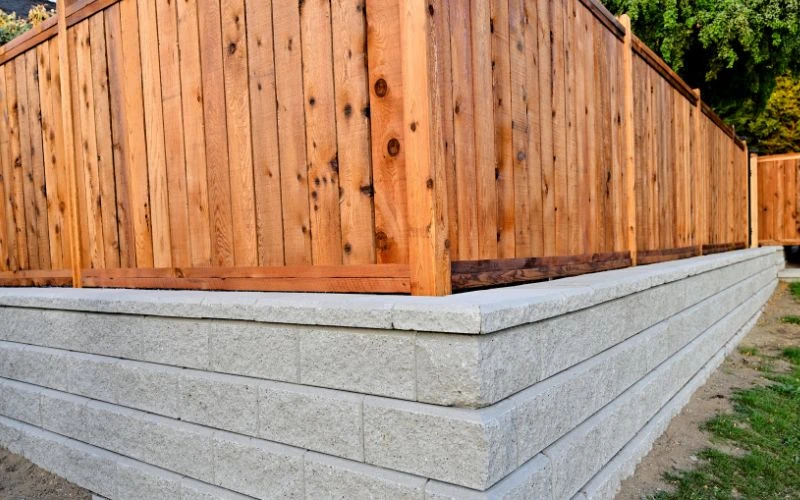
Here’s something most homeowners don’t expect—a large percentage of retaining wall failures happen within the first 3–5 years. Not decades… just a few years. Surprising, right?
Across growing suburbs like Wantirna and Hampton Park, many modern homes are built on sloped or newly developed land. Meanwhile, retaining walls are often added quickly to “fix” the slope. The problem? When design or drainage is overlooked, those walls start leaning, cracking, or even collapsing sooner than expected.
So, what’s really going wrong—and how can it be avoided?
Why Do Retaining Walls Fail So Quickly?
At a glance, retaining walls look simple. Stack materials, hold soil—done. But in reality, they’re doing a heavy job: holding back tons of earth, water, and pressure.
Most failures come down to three key issues:
- Poor drainage: Water builds up behind the wall, increasing pressure
- Weak foundation: The base isn’t compacted properly
- Overbuilt or underbuilt design: Either too bulky (wasting space) or too weak (leading to failure)
Interestingly, many walls fail not because of the material, but because of what’s happening behind them.
How Does Poor Drainage Cause Retaining Wall Problems?
Water is the silent troublemaker here.
After rainfall, soil holds moisture. Without a proper way to drain, water gets trapped. Over time, pressure builds up behind the wall—this is called hydrostatic pressure.
Picture it as trying to push a stubborn door. A little force? No problem. But constant pressure? Eventually, something gives.
Simple ways to prevent this:
- Install AG pipes behind the wall
- Use gravel backfill instead of dense soil
- Add weep holes to release water
In areas like landscaping in Wantirna, where clay-heavy soil is common, drainage becomes even more critical.
What Design Mistakes Do Homeowners Often Miss?
This is where things get interesting. Many retaining walls fail because they’re designed like they’re in a wide-open rural block—when in reality, they’re in tight suburban yards.
Common mistakes include:
- Leaning walls unnecessarily instead of using vertical designs
- Oversized bases that eat into usable lawn space
- Ignoring height limits without proper engineering
- Choosing materials that aren’t suited to your soil
An easy way to think about it? A retaining wall should be engineered, not just built. Modern homes need smarter, space-saving solutions—not bulky structures.
Does Soil Type Really Make a Difference?
Absolutely—and this is often overlooked.
Melbourne’s soil varies a lot. Some areas have reactive clay, which expands when wet and shrinks when dry. That constant movement puts stress on retaining walls.
During a landscaping in Hampton Park, soil conditions can shift enough to cause:
- Cracking
- Leaning walls
- Uneven settling
Quick tip: Always match the wall design to the soil conditions. What’s effective in one neighbourhood could struggle in another.
What Are the Signs a Retaining Wall Is About to Fail?
Catching problems early can save thousands. Look out for:
- Visible leaning or bulging
- Cracks are forming along the surface
- Water is pooling near the base
- Soil spilling over or washing out
Meanwhile, even small warning signs shouldn’t be ignored. Retaining wall issues tend to get worse—not better—over time.
How Can a Retaining Wall Be Built to Last for Years?
Here’s where things shift from problem to solution. A strong, long-lasting retaining wall comes down to proper planning and execution.
Step-by-step essentials:
- Prepare a solid base with compacted material
- Install proper drainage systems (ag pipes + gravel)
- Use suitable materials (e.g., concrete sleepers for strength and slim design)
- Ensure correct wall height and reinforcement
- Allow for slight movement without structural damage
Interestingly, modern slimline retaining walls rely more on engineering strength rather than bulk—saving space while improving durability.
Conclusion / Takeaway:
Retaining walls might look simple—but they’re one of the most misunderstood elements in landscaping.
Quick Checklist to Avoid Failure:
- Plan drainage before anything else
- Match the design to soil conditions
- Avoid overbuilding bulky walls in small spaces
- Use quality materials and proper reinforcement
- Notice problems early and address them without delay.
Bottom line? A retaining wall should solve a problem—not create a bigger one later.