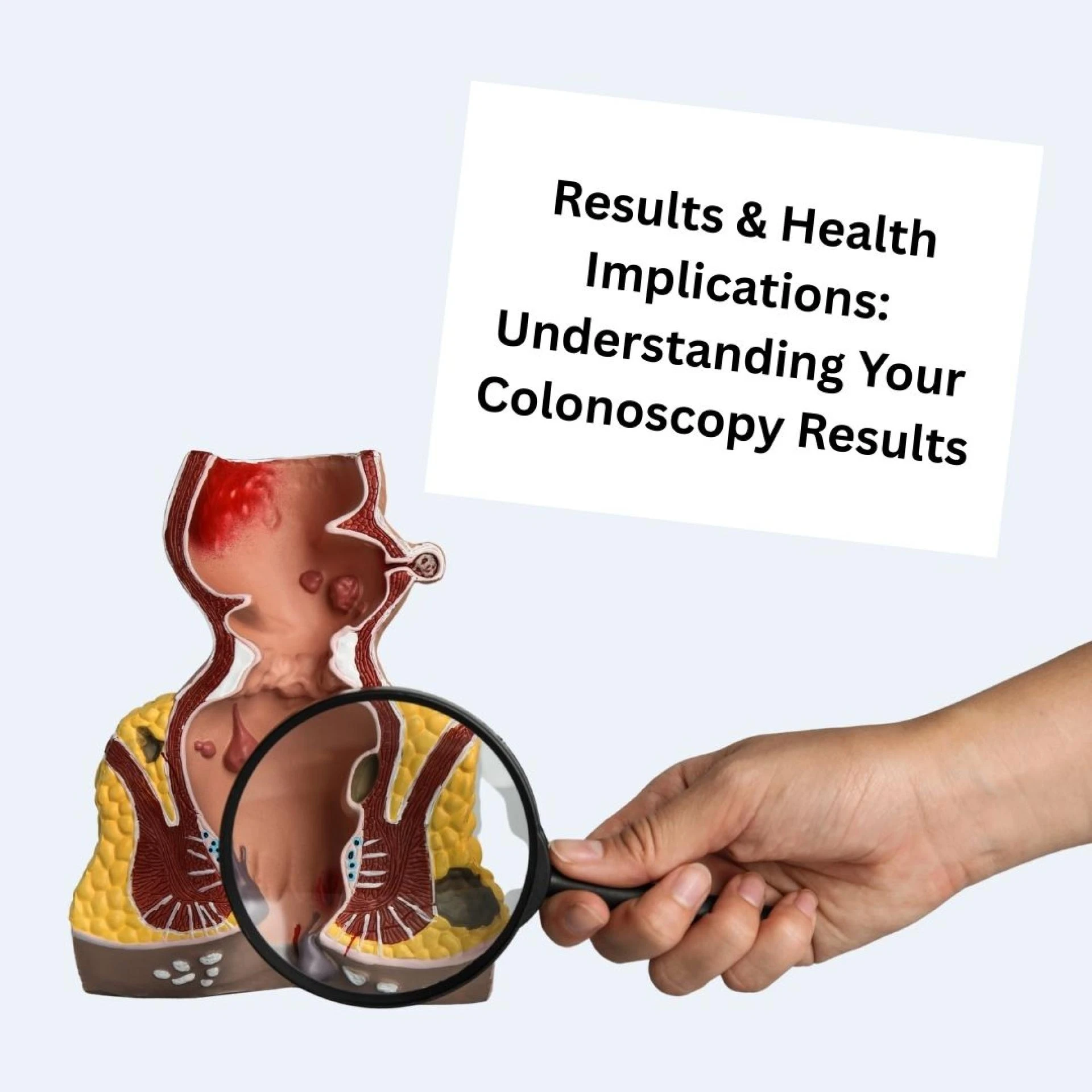
Understanding Colonoscopy Results: What Polyps, Biopsies, and Findings Mean
After a colonoscopy, your doctor will provide a report detailing the findings. Understanding these results is crucial for assessing your colon health and determining the next steps.
Key Findings in a Colonoscopy Report
- Normal Results – No abnormalities, polyps, or signs of disease were found. If you're at average risk, your next colonoscopy may be in 10 years.
- Polyps – Growths on the colon lining that can be benign, precancerous, or cancerous. Polyps are often removed and sent for biopsy.
- Biopsy Results – If tissue samples are taken, results typically come back within a few days to a week, determining whether polyps are benign, precancerous, or malignant.
- Inflammation – Signs of colitis, Crohn’s disease, or ulcerative colitis may be noted.
- Diverticula – Small pouches in the colon wall, known as diverticulosis, which are usually harmless but can sometimes lead to diverticulitis.
- Hemorrhoids – Swollen veins in the rectum, often causing bleeding but not considered serious.
What Happens If Your Colonoscopy Detects Polyps? Next Steps Explained
Types of Polyps and Their Implications
- Hyperplastic Polyps – Generally benign and don’t require further treatment.
- Adenomatous Polyps – Considered precancerous; their removal reduces cancer risk.
- Sessile Serrated Polyps (SSPs) or Traditional Serrated Adenomas (TSAs) – Can become cancerous over time and require careful monitoring.
Next Steps After Polyp Detection
- Polyp Removal (Polypectomy) – Most polyps are removed during the colonoscopy using specialized tools.
- Biopsy & Lab Analysis – The removed polyps are examined to determine if they are benign, precancerous, or malignant.
- Follow-Up Colonoscopy – The timing depends on the type, number, and size of polyps:
- 1-2 small polyps: Repeat colonoscopy in 5-10 years
- 3-10 polyps or large polyps: Follow-up in 3-5 years
- More than 10 polyps or advanced adenomas: Follow-up in 1-3 years
- Further Testing – If cancerous polyps are found, additional tests such as imaging or genetic screening may be recommended.
Can a Colonoscopy Detect Other Digestive Issues Besides Cancer?
Yes! While colonoscopies are primarily used for cancer screening, they can also detect other gastrointestinal conditions, including:
1. Inflammatory Bowel Disease (IBD)
- Ulcerative Colitis – Inflammation and ulcers in the colon and rectum.
- Crohn’s Disease – Inflammation that can occur anywhere in the digestive tract.
2. Diverticulosis & Diverticulitis
- Small pouches (diverticula) may be found in the colon wall. If inflamed, they cause diverticulitis, leading to abdominal pain and infection.
3. Gastrointestinal Bleeding Sources
- Colonoscopies help identify sources of unexplained bleeding, such as hemorrhoids, ulcers, or vascular abnormalities.
4. Colonic Strictures & Obstructions
- Narrowed sections of the colon caused by inflammation, scar tissue, or tumors.
5. Unexplained Chronic Diarrhea or Constipation
- Conditions like microscopic colitis or irritable bowel syndrome (IBS) may be diagnosed based on colonoscopy findings.
False Positives and False Negatives in Colonoscopy: How Accurate Is It?
Colonoscopy is the gold standard for colorectal cancer screening, but like any medical test, it is not 100% perfect.
False Positives (Finding an Issue That Isn’t There)
- Sometimes, normal colon variations or harmless growths may be misinterpreted as concerning polyps.
- Lab errors in biopsy processing can also contribute to false positives.
False Negatives (Missing an Existing Issue)
- Flat or small polyps, especially those hidden in folds, may be missed.
- Poor bowel preparation can obscure findings, reducing accuracy.
- Detection Rate: Colonoscopies detect over 95% of large polyps and cancers, but small lesions may have a lower detection rate.
How to Improve Accuracy
✅ Follow bowel prep instructions carefully to ensure a clear view.
✅ Choose a skilled gastroenterologist with high polyp detection rates.
✅ Consider advanced techniques like high-definition scopes or AI-assisted detection.
✅ If concerned about accuracy, discuss a repeat colonoscopy or additional tests with your doctor.
A colonoscopy provides valuable insights into your digestive health, detecting colorectal cancer, polyps, and other gastrointestinal conditions. If polyps are found, removal and regular follow-ups can significantly reduce cancer risk. Although colonoscopies are highly accurate, understanding the potential for false positives and negatives ensures you make informed decisions about your screening.
Regular screenings save lives—schedule yours today!