
Natural disasters such as hurricanes, wildfires, floods, and earthquakes leave behind not only visible structural damage but also a significant amount of debris and personal property destruction. The aftermath of these events presents a monumental challenge: restoring valuable contents amidst the chaos. Contents cleanup services play a pivotal role in this recovery process, blending scientific techniques with meticulous care to salvage and restore personal and commercial belongings.
The Magnitude of Post-Disaster Debris
The scale of debris generated by natural disasters is staggering. For instance, Hurricane Michael in 2018 resulted in approximately 13 million cubic meters of debris, equivalent to a pile of 13 million boxes, each the size of a washer and dryer. More than a year later, crews were still removing the waste. Similarly, the 2018 Camp Fire in California, the state's most destructive wildfire, produced over 3.2 million metric tons of debris, roughly the weight of 2 million cars.
This vast accumulation includes not only structural remnants but also personal belongings, many of which hold significant sentimental or monetary value. The challenge lies in efficiently and safely restoring these items amidst widespread devastation.
The Science Behind Contents Cleanup
Restoring valuables after a disaster is a meticulous process that relies on scientific principles and advanced technologies:
- Assessment and Inventory: Specialists conduct a thorough assessment to determine the extent of damage. This involves creating a detailed inventory, often using digital tools, to document the condition of each item.
- Categorization: Items are categorized based on material composition and damage type. This classification informs the appropriate cleaning and restoration methods.
- Cleaning Techniques:
- Dry Cleaning: Utilized for items affected by soot or dust, employing methods like vacuuming or compressed air.
- Wet Cleaning: Involves using water-based solutions for items contaminated with water-soluble debris.
- Ultrasonic Cleaning: High-frequency sound waves create microscopic bubbles that gently clean delicate items.
- Decontamination: Items exposed to hazardous materials or pathogens undergo specialized decontamination processes to ensure safety.
- Drying and Dehumidification: Advanced drying chambers and dehumidifiers prevent mold growth and further deterioration, especially for porous materials.
- Restoration and Repair: Skilled technicians perform necessary repairs, such as reupholstering furniture or restoring artwork, to return items to their pre-disaster condition.
The Art of Restoration
Beyond the technical aspects, contents cleanup involves an artistic touch, especially when dealing with items of sentimental or historical significance:
- Emotional Sensitivity: Understanding the emotional value attached to personal belongings is crucial. Restoration professionals often work closely with clients to prioritize items of utmost importance.
- Historical Preservation: Antiques and heirlooms require specialized care to preserve their historical integrity. This may involve collaboration with conservators and historians.
- Customization: Each item presents unique challenges, necessitating tailored restoration approaches that blend scientific methods with creative problem-solving.
Challenges in Contents Cleanup
The restoration process is fraught with challenges that require a delicate balance of science and art:
- Hazardous Materials: Disasters can introduce hazardous substances into the environment. For instance, debris from wildfires largely consists of ash, contaminated soils, metal, and concrete, along with other structural debris and household hazardous items such as paints, cleaners, solvents, oils, batteries, herbicides, and pesticides.
- Structural Instability: Damaged buildings pose risks to restoration crews. Ensuring structural stability is a prerequisite before commencing contents cleanup.
- Emotional Distress: Homeowners and business owners often experience significant emotional distress after a disaster. Restoration professionals must navigate these situations with empathy and clear communication.
Health and Safety Considerations
Ensuring the safety of both occupants and cleanup crews is paramount during the restoration process:
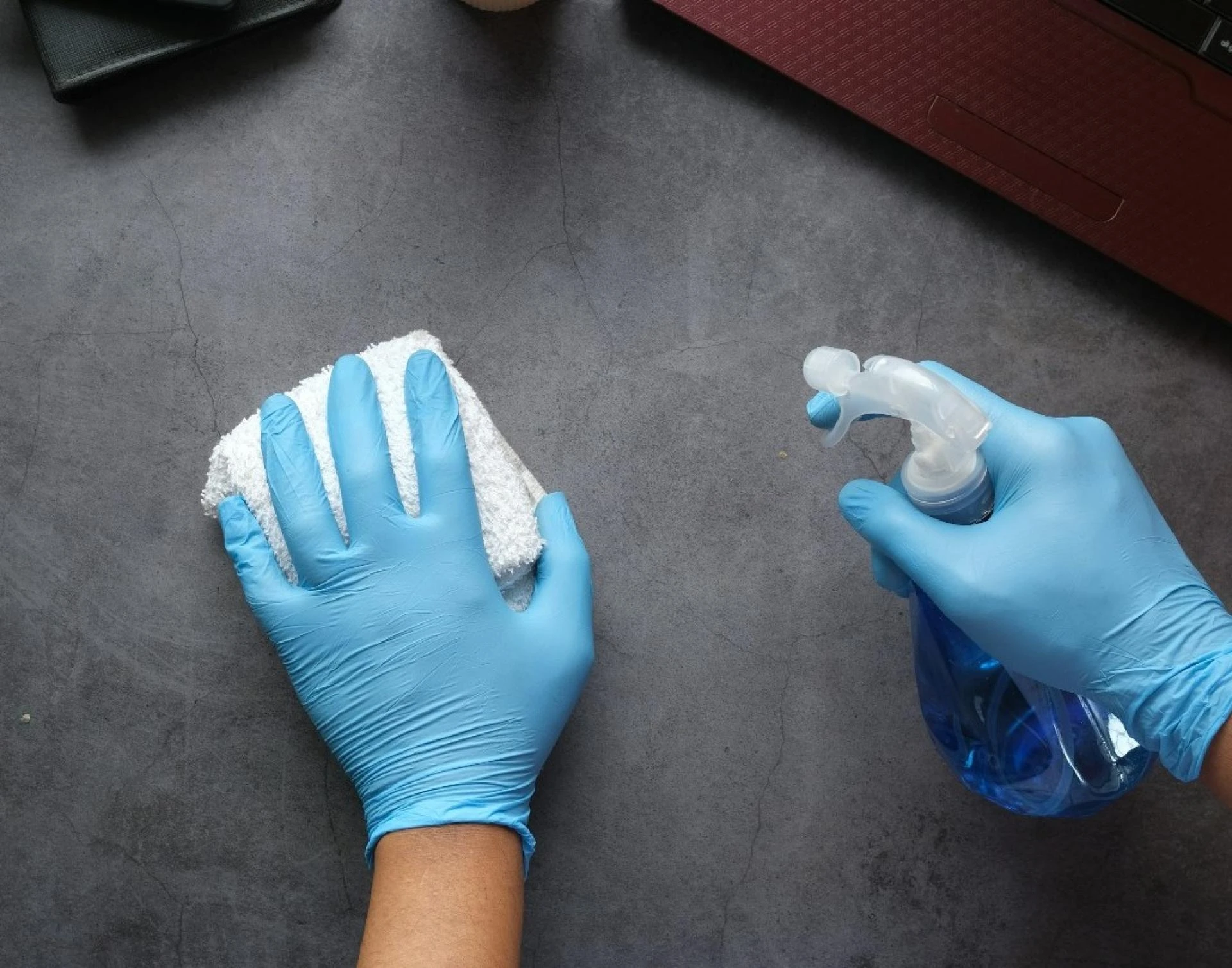
- Personal Protective Equipment (PPE): Workers must wear appropriate PPE, including gloves, masks, and protective clothing, to guard against exposure to hazardous materials.
- Ventilation: Proper ventilation is essential to disperse harmful fumes and reduce indoor air pollution during cleanup.
- Electrical Hazards: Before entering a damaged building, it's crucial to ensure that electrical systems are deactivated to prevent shocks or fires. CDC
Environmental Impact and Sustainability
The environmental implications of post-disaster cleanup are significant:
- Waste Management: The sheer volume of debris can overwhelm local waste management systems, leading to prolonged cleanup efforts. For example, when Hurricane Katrina flooded New Orleans in 2005, it left behind an estimated 75 million cubic meters of waste that interfered with and slowed down recovery efforts.
- Recycling and Reuse: Implementing strategies to recycle and repurpose materials can mitigate environmental impacts. For instance, downed whole trees can become timber resources for furniture makers.
- Pollution Prevention: Proper disposal of hazardous materials is essential to prevent soil and water contamination.
The Role of Technology
Advancements in technology have revolutionized contents cleanup services:
- Digital Documentation: High-resolution imaging and inventory software streamline the assessment and tracking of items.
- Remote Sensing: Drones equipped with sensors can assess large areas quickly, identifying debris types and locations, which aids in efficient cleanup planning.