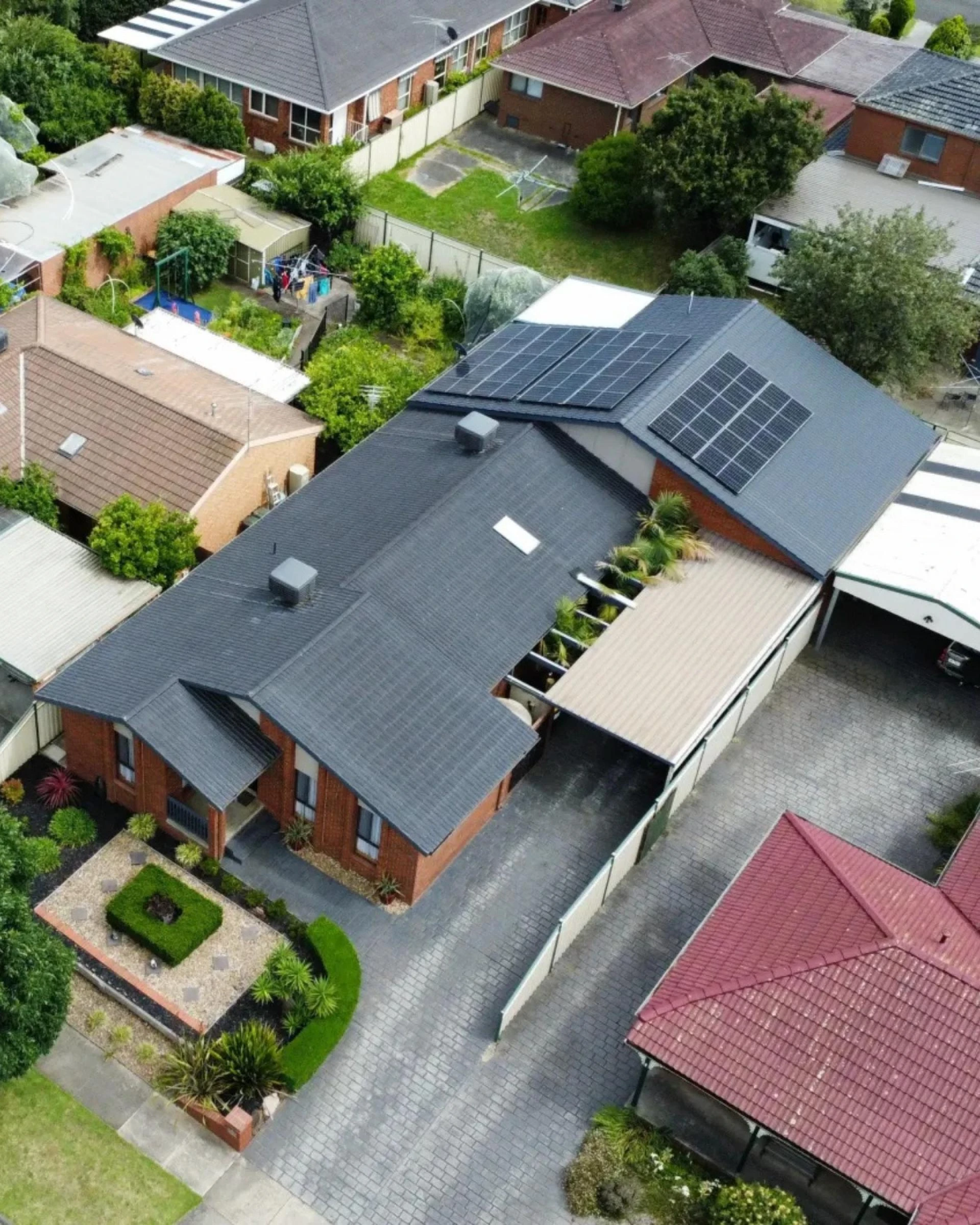
In 2026, residential solar technology has reached impressive heights of efficiency, with modern N-type and Topcon panels pushing the boundaries of what a single rooftop can produce. However, even the most advanced energy ecosystem isn’t a "set and forget" investment. Between the dust-heavy Australian summers and the intense UV exposure, your solar array is constantly battling the elements. While these systems are built for durability, their performance can degrade silently over time.
Waiting for a total system failure isn't just inconvenient; it’s expensive. A proactive "tune-up" ensures you are getting the maximum return on investment (ROI) from your feed-in tariffs and self-consumption. Here are five clear warning signs that your residential solar system is crying out for professional servicing.
1. The "Ghost" in the Bill: Unexplained Cost Spikes
The most common indicator that something is wrong isn't found on your roof, but in your inbox. If you notice your quarterly electricity bill creeping up despite no major changes in your household habits (like installing a new AC or pool pump), your solar system is likely underperforming.
In many cases, this is due to a "latent fault"—an issue that hasn't triggered a total shutdown but is "choking" the energy flow. This could be anything from localized shading caused by new tree growth to micro-cracks in older panels. A professional technician can perform a string-level analysis to pinpoint exactly where the energy leak is occurring.
2. Inverter "Mood Swings": Flashing Lights and Noises
Your inverter is the "brain" of your solar setup, converting DC power from your panels into usable AC power for your home. Modern smart inverters are incredibly communicative, but they require you to listen.
If you notice a red or orange "fault" light, or if the unit is making an unusually loud buzzing or clicking sound during peak sun hours, it’s a sign of internal stress. Inverters are the most hard-working component of the system and typically have a shorter lifespan than the panels themselves (averaging 10–12 years). Getting an expert from a trusted provider like Winki Energy to run a diagnostic check can prevent a minor component failure from turning into a costly full-unit replacement.
3. The "Visual Clutter": Debris and Corrosion
While Australian rain does a decent job of rinsing off light dust, it cannot handle "caked-on" debris. Over time, bird droppings, salt spray (in coastal regions), and leaf litter create "hot spots." A hot spot occurs when one cell is shaded and begins to consume power instead of producing it, leading to localized overheating that can permanently damage the panel.
Furthermore, look at the mounting racks and visible wiring. If you see signs of rust, corrosion, or loose cables flapping in the wind, your system’s structural integrity is at risk. Exposed wiring is not only an efficiency killer but a significant fire hazard that requires immediate electrical attention.
4. Generation Lag on the Monitoring App
Most systems installed in the last few years come with sophisticated monitoring apps. If your daily production graph looks "jagged" on perfectly clear, cloudless days, your system is struggling.
A healthy system should show a smooth bell curve of production. "Clipping" or sudden drops in the middle of the day often suggest an overheating issue or an inverter that is struggling to manage the voltage. This "generation lag" means you are missing out on peak sun hours—the very time when you should be offseting your most expensive energy usage.
5. Age and the "Silent Decline"
Even if your system seems to be running fine, age is a factor. If your system was installed more than five years ago and hasn't been touched since, it is statistically likely to be underperforming by at least 10–15%.
Australian standards and best practices for solar safety have evolved significantly. A 2026 tune-up includes more than just cleaning; it involves checking DC isolators for water ingress, testing the grounding of the system, and ensuring the firmware on your smart components is up to date. This ensures your system remains compliant with the latest safety regulations and continues to provide energy independence for another decade.
Conclusion: Maintenance is Your Best Savings Strategy
Investing in residential solar is a marathon, not a sprint. By keeping an eye out for these five signs, you protect your home from electrical risks and ensure your bank account continues to benefit from solar savings. A professional tune-up is a small price to pay to ensure your "green engine" stays in peak condition, delivering clean, free energy for years to come.