
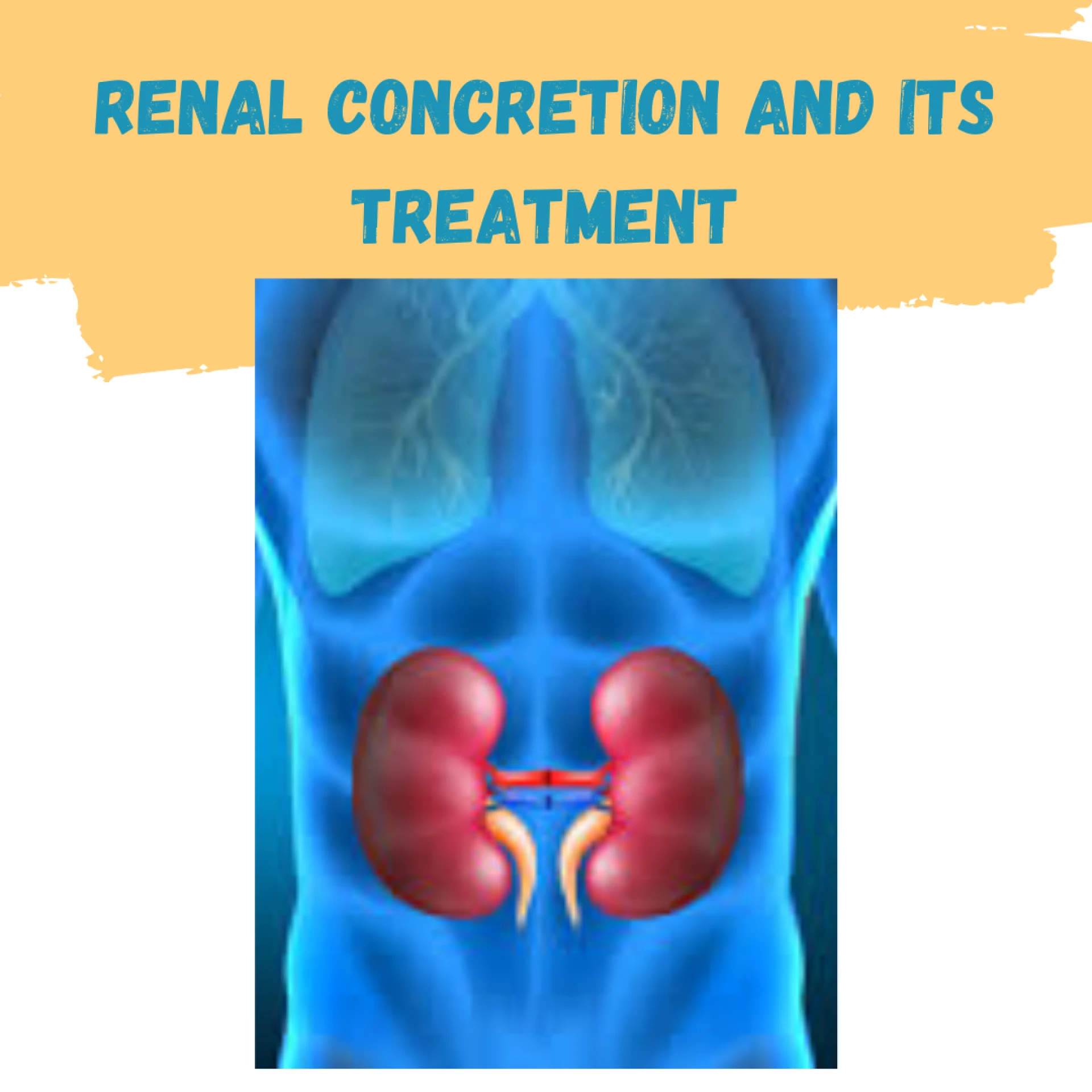
Your kidneys work around the clock. They clean waste from your blood. They also balance salts and fluids in your body. But sometimes, substances like calcium or uric acid form crystals in the kidneys. These crystals may harden and become stones. This condition is called renal concretion.
The term renal concretion means a stone-like deposit inside your kidney. It may be small and pass on its own. Or it can grow large and block urine flow, causing sharp pain and health risks. If not treated, it can damage your kidneys permanently
Let’s explore what causes renal concretions, their symptoms, how they are treated and where to find the best renal specialist in Delhi for proper care
Renal Concretion Meaning
Renal concretion meaning refers to the formation of solid masses in the kidney. These masses are often made of calcium, oxalate, uric acid, or other minerals that stick together.
These stones can stay in the kidney or move down to the ureter, the tube that connects your kidney to your bladder. If the stone moves, it can block urine and cause pain.
You may hear terms like right renal concretion or left renal concretion, depending on which kidney is affected. When stones form in both kidneys, it is called bilateral renal concretions. This condition needs more attention because it puts both kidneys at risk.
In simple words, a renal concretion is a kidney stone, and the sooner it is detected, the better it can be managed.
What Causes Renal Concretions?
Kidney stones form for different reasons. Some people may form them due to diet or dehydration. Others may have health problems that raise their risk. Common causes include:
- Not drinking enough water
- Eating too much salt or protein
- Family history of kidney stones
- Obesity or weight gain
- Long-term use of calcium-based medications
- Frequent urinary tract infections
- Hormonal or metabolic disorders
Knowing the cause helps in preventing future stones. For example, if you get a left renal concretion due to high calcium intake, your doctor may suggest changes in diet and supplements.
Common Symptoms of Renal Concretions
Some small stones don’t cause any problems. They may pass without you knowing. But when a stone grows large or moves, symptoms appear fast.
Here are some signs to watch for:
- Sudden, sharp pain in the back or side
- Pain that spreads to the lower abdomen
- Blood in urine (it may appear pink or brown)
- Burning sensation while passing urine
- Nausea and vomiting
- Frequent urge to urinate
- Cloudy or smelly urine
- Fever or chills (if infection is present)
These signs are serious. If you feel these symptoms, you should visit a nephrology hospital in Delhi right away.
Right Renal Concretion in Hindi: Local Language Understanding
Understanding your diagnosis in your native language helps ease fear. The term right renal concretion in Hindi translates to "दाएं गुर्दे में पथरी". It means a stone is present in your right kidney. If you're told this by your doctor, you should follow their advice closely.
Treatment depends on how big the stone is, and whether it causes any block or infection.
Diagnosing Renal Concretions
Doctors use simple tests to detect stones. These include:
- Urine test to find blood, crystals, or infection
- Blood test to measure calcium and uric acid levels
- Ultrasound scan to see the size and location of stones
- CT scan for a detailed view of even small stones
- X-ray (KUB) to check the lower urinary system
These tests help doctors decide the next steps. Whether you need medicine or surgery depends on the test results.
Renal Concretion Treatment: What Are the Options?
Renal concretion treatment is based on stone size, position, and symptoms. Here are the most common methods used by kidney specialists:
1. Lifestyle Changes and Medication
If your stone is small (under 5 mm), doctors may advise:
- Drinking 2–3 liters of water a day
- Painkillers to reduce discomfort
- Medicines that help relax the urinary tract
- Drugs that stop new stones from forming
You will be asked to avoid salty or high-protein foods and increase fruits and vegetables in your meals.
2. Shock Wave Therapy (ESWL)
This method uses sound waves to break the stone into small parts. These pieces then pass in urine. It is non-surgical and useful for medium-sized stones.
3. Ureteroscopy
A thin tube with a camera is inserted through your urinary path. The doctor breaks the stone using a laser and removes the pieces.
4. PCNL (Percutaneous Nephrolithotomy)
This is used when the stone is large or hard to reach. A small cut is made on your back to reach and remove the stone.
5. Open Surgery
Rarely needed, but may be used if other treatments fail or in complex stone cases.
Many people now prefer modern kidney stone removal in Delhi at advanced hospitals that offer safe, fast, and less painful procedures.
Conclusion
Renal concretions may seem small at first. But they can grow and damage your kidneys if ignored. Whether it’s a right renal concretion, left renal concretion, or bilateral renal concretions, the right care makes all the difference.
If you’re looking for expert care and trusted facilities, UK Nursing Home is the name to remember.
From basic renal concretion treatment to advanced kidney stone removal in Delhi, UK Nursing Home ensures safe, effective, and compassionate care for every patient.
Don’t wait for the pain to get worse. Visit UK Nursing Home today and take control of your kidney health.