The rise of remote work has necessitated the adoption of new technologies to maintain productivity and security. Businesses worldwide are leveraging remote monitoring software for employees to track performance, ensure compliance, and enhance security. This technology has become a crucial component in managing remote teams effectively.
In this article, we explore software to monitor remote workers, its features, benefits, potential concerns, and how businesses can implement it efficiently while respecting employee privacy.
What is Remote Monitoring Productivity Monitoring Software?
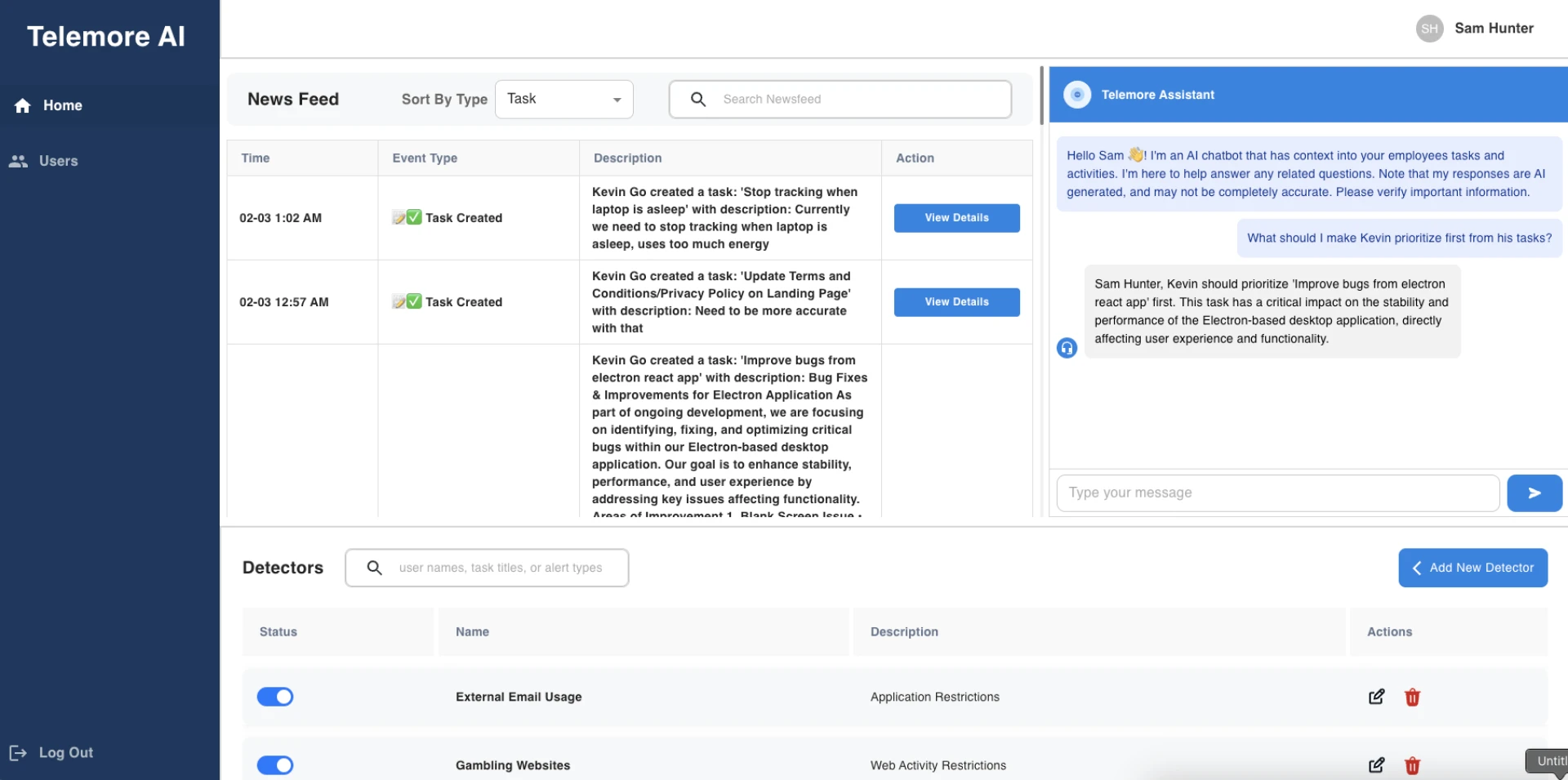
Remote monitoring software is a digital tool that enables employers to track employee activities, measure productivity, and secure company data while working remotely. It collects data from various sources, including keystrokes, screen recordings, app usage, and internet activity, providing valuable insights into work habits and efficiency.
Key Features of Employee Monitoring Software
- Time Tracking – Records active and idle time to assess productivity levels.
- Screen Monitoring – Captures periodic screenshots or live screen feeds.
- Keystroke Logging – Tracks keyboard activity to analyze engagement.
- Application and Website Tracking – Monitors the usage of applications and websites.
- Automated Reports – Provides detailed analytics on work performance.
- Project and Task Management – Integrates with workflow tools to streamline processes.
- Data Security & Compliance – Ensures employees follow security protocols.
- GPS and Location Tracking – Useful for field-based employees.
- Alerts and Notifications – Notifies managers about unusual activities.
- Integrations – Connects with existing business tools like Slack, Trello, or Asana.
Benefits of Using Software to Monitor Remote Workers
1. Enhanced Productivity
Remote monitoring tools help businesses analyze work patterns and identify areas where employees can improve efficiency. By tracking time spent on tasks, organizations can optimize workflows and eliminate bottlenecks.
2. Improved Accountability
When employees know their work is being monitored, they are more likely to stay focused and avoid distractions. This leads to better adherence to deadlines and higher-quality output.
3. Data Security and Compliance
Cybersecurity threats have increased with remote work. Monitoring software helps businesses ensure that employees follow security protocols, protecting sensitive information from potential breaches.
4. Performance Evaluation and Insights
With detailed reports and analytics, employers can make data-driven decisions about performance appraisals, promotions, and training needs. This fosters a culture of transparency and continuous improvement.
5. Reduced Operational Costs
By ensuring employees stay productive and engaged, companies can maximize efficiency and reduce unnecessary costs related to wasted time or underperformance.
Potential Concerns and How to Address Them
While software to monitor remote workers provides several advantages, it also raises concerns about privacy, trust, and legal compliance.
1. Employee Privacy Issues
Employees may feel their privacy is being invaded if monitoring is too intrusive. To mitigate this:
- Clearly communicate the purpose of monitoring.
- Focus on work-related activities rather than personal data.
- Provide options to disable monitoring outside work hours.
2. Trust and Morale
Excessive surveillance can lead to employee dissatisfaction and a lack of trust. The best approach is to:
- Use monitoring software to support, not micromanage, employees.
- Share productivity insights with employees to help them improve.
- Encourage self-regulation by setting clear performance expectations.
3. Legal and Ethical Considerations
Different countries have varying laws regarding employee monitoring. To ensure compliance:
- Research and adhere to local labor laws.
- Obtain employee consent before implementing monitoring software.
- Ensure the data collected is secure and used ethically.
Choosing the Right Remote Monitoring Software
There are numerous remote monitoring solutions available, and selecting the right one depends on business needs. Here are some factors to consider:
- Ease of Use: The software should be user-friendly for both employers and employees.
- Customization: Ability to tailor features according to business requirements.
- Integration: Compatibility with existing tools and workflows.
- Security: Strong encryption and data protection features.
- Cost: Should provide value for money without unnecessary expenses.
Popular Remote Monitoring Software
- Time Doctor – Offers detailed time tracking, productivity analysis, and integrations.
- Hubstaff – Provides GPS tracking, payroll management, and reporting.
- Teramind – Specializes in security and insider threat detection.
- ActivTrak – Focuses on workforce analytics and behavior tracking.
- DeskTime – Offers automatic time tracking with productivity evaluation.
Best Practices for Implementing Monitoring Software
To ensure smooth adoption of remote monitoring software for employees, businesses should follow these best practices:
- Set Clear Policies: Define what will be monitored and how the data will be used.
- Obtain Employee Consent: Ensure transparency and legal compliance.
- Train Employees: Educate teams on how the software benefits them and the company.
- Use Data for Growth: Leverage insights to improve processes rather than penalize employees.
- Regularly Review Policies: Adjust strategies based on feedback and evolving needs.
Software to monitor remote workers is an essential tool for businesses aiming to maintain productivity and security in a remote work environment. When implemented with transparency and ethical considerations, it enhances efficiency, fosters accountability, and safeguards company data.
By choosing the right AI employee monitoring software and applying best practices, businesses can create a balanced and productive remote work culture that benefits both employers and employees alike.