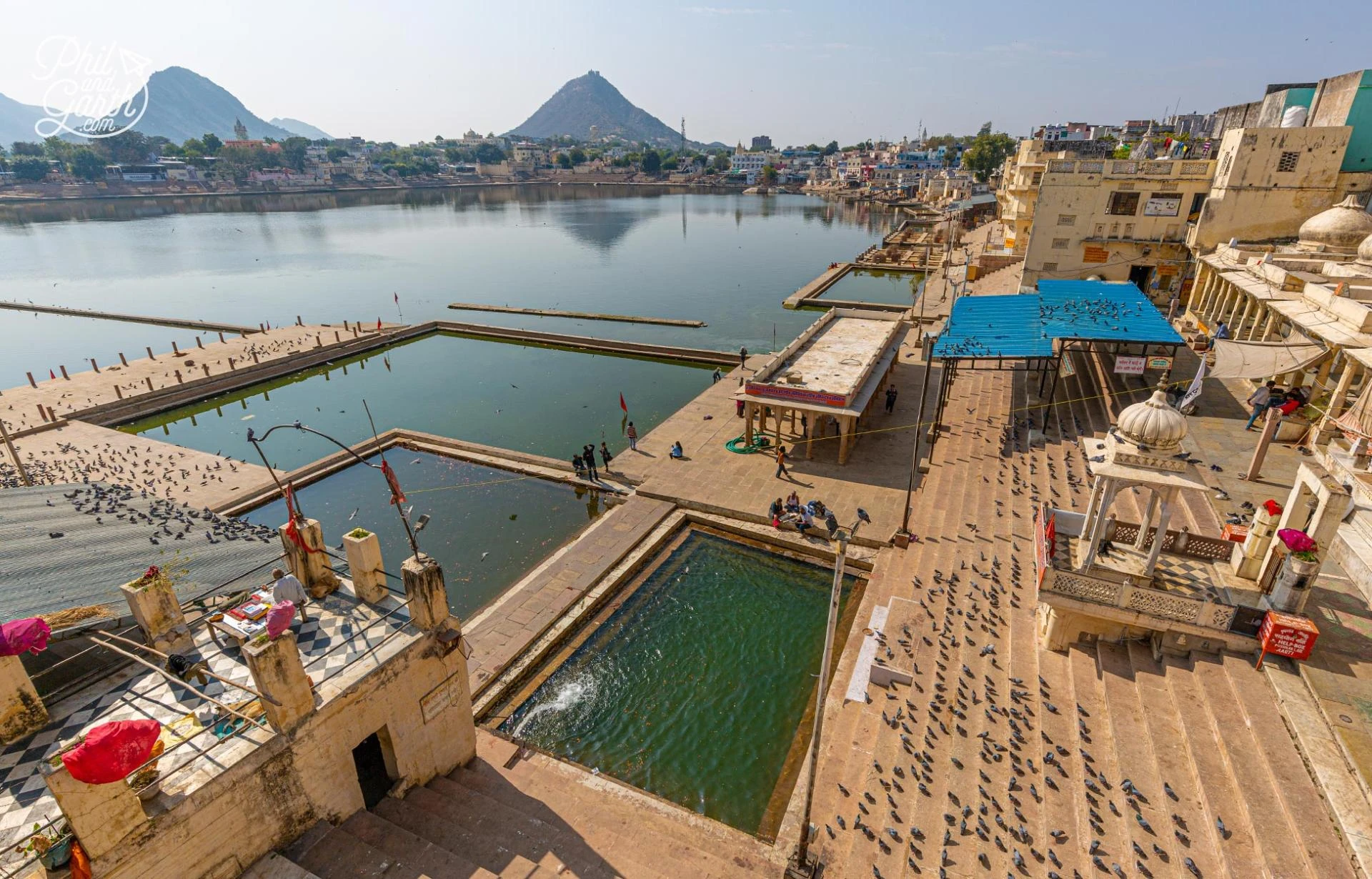
Nestled in the heart of Rajasthan, Pushkar is one of the oldest living cities in India and holds a revered place in Hindu spiritual life. Known for its sacred lake and the rare Brahma Temple, Pushkar is more than just a pilgrimage destination—it is a cultural and spiritual experience that draws millions of devotees and curious travelers every year. This divine town is a major highlight for any Travel agency in Rajasthan, offering a blend of mythology, devotion, and timeless beauty.
The Mythological Roots of Pushkar
According to ancient Hindu scriptures, the origin of Pushkar is closely linked with Lord Brahma, the creator of the universe. It is believed that Brahma dropped a lotus flower to the earth, and the place where the petals landed formed the sacred Pushkar Lake. To commemorate this divine act, Lord Brahma is said to have performed a yajna (fire ritual) at the site, which established the religious sanctity of the town.
What makes Pushkar especially unique is the presence of the Brahma Temple, one of the very few temples in the world dedicated to Lord Brahma. Its distinct red spire and beautiful marble carvings make it not just a religious site but also an architectural wonder. Hindu pilgrims believe that visiting this temple and taking a dip in the holy Pushkar Lake during Kartik Purnima will cleanse them of their sins and grant spiritual liberation.
The Sacred Pushkar Lake
The Pushkar Lake is the centerpiece of the town's religious life. Surrounded by 52 ghats (stone staircases for bathing) and over 400 temples, the lake is considered one of the five sacred dhams (pilgrimage sites) for Hindus. Each ghat has its own significance and is associated with a different legend or deity. The water of this lake is believed to possess healing properties and spiritual purity.
Pilgrims often perform rituals for their ancestors here, making it a vital location for pitru tarpan (ancestral offerings). The ritualistic practices conducted along the ghats during religious festivals, especially during the Kartik Mela, reflect centuries of Hindu tradition and continuity.
Pushkar and Its Festivals
Pushkar comes alive during the Kartik Purnima festival, a time when thousands of devotees gather to take a holy dip in the lake. This period coincides with the world-famous Pushkar Camel Fair, turning the town into a vibrant convergence of spirituality, trade, and celebration. The festival is not just a major event in Rajasthan but also a spiritual occasion that draws international attention.
During this time, priests, ascetics, and pilgrims flood the ghats to chant mantras and perform evening aartis (rituals involving light). The spiritual energy is palpable, and the entire town transforms into a center of divine activity. The rituals performed are deeply rooted in Vedic traditions and offer an unparalleled insight into the devotional practices of Hinduism.
Temples and Spiritual Heritage
While the Brahma Temple is the most iconic, Pushkar is home to many other temples dedicated to deities such as Savitri (Brahma’s consort), Varaha (an incarnation of Vishnu), and Gayatri. Each temple holds its own legend and place in Hindu cosmology. The Savitri Temple, located on a hilltop, provides panoramic views of the town and the desert beyond, making the spiritual journey physically and emotionally uplifting.
The town’s spiritual landscape is enhanced by the presence of various ashrams and meditation centers, which attract spiritual seekers and practitioners of yoga and Ayurveda from across the world. These institutions uphold the yogic traditions and teachings found in ancient Hindu scriptures and offer a chance for modern-day visitors to immerse themselves in the peaceful rhythm of sacred life.
Role of Pushkar in Pilgrimage Circuits
Pushkar is considered one of the Char Dham of Rajasthan and is often visited along with other holy towns such as Ajmer and Nathdwara. Its inclusion in religious circuits stems from its importance in Hindu mythology and its sanctified geography. Many tour operators provide specially designed Pushkar sightseeing tour packages that include temple visits, participation in rituals, and opportunities to interact with the local priestly community.
The experience of walking through the narrow alleys filled with temple bells, incense, and chants leaves an indelible impression. The spiritual immersion offered by Pushkar is unlike any other, and it has become a cornerstone of devotional travel in India.
Preserving the Sacred Heritage
As tourism grows, there is a renewed focus on preserving the sanctity and ecology of Pushkar. Responsible travel practices are being promoted to ensure that the religious and environmental heritage of the town is not compromised. From waste management around the lake to regulated pilgrim traffic, efforts are being made by both locals and authorities to maintain the divine aura of this ancient town.
Religious tourism has also seen a rise in budget-friendly travel options. Providers of Rajasthan Budget tour packages often include Pushkar as a key stop, ensuring that spiritual travelers from all walks of life can experience the town’s divine energy without financial burden. These packages balance comfort with authenticity, offering immersive tours that educate and enlighten.
Conclusion
Pushkar’s significance in Hindu traditions is both profound and enduring. It is a living testament to the faith, rituals, and legends that form the core of Hindu spirituality. From the sacred waters of the lake to the timeless chants in its temples, every corner of this holy town echoes the presence of the divine.
Whether you're a pilgrim seeking salvation, a history enthusiast tracing India’s mythological past, or a traveler yearning for inner peace, Pushkar welcomes you with open arms. Its role in preserving and promoting Hindu heritage makes it not just a destination—but a journey of the soul.