Roof replacement is one of the most critical investments a property owner can make. Whether it's a home sheltering a family or a commercial building supporting a business, the roof is the first line of defense against the elements. Yet too often, roof replacement is treated as a one‑off project rather than a strategic decision that impacts safety, efficiency, property value, and long‑term costs. This comprehensive guide delves into every aspect of Reliable Roof Replacement for Homes & Businesses from initial assessment to material selection, expert installation, warranties, and maintenance.
In today’s competitive roofing industry, finding professional roof replacement you can trust is essential. That’s where companies like Covenant Roofing & Restoration stand out. With extensive experience in residential and commercial roofing, they provide tailored roof replacement solutions using high‑quality materials and industry‑best practices. Their team focuses on durability, safety, and aesthetic appeal ensuring your investment protects your home or business for decades. Understanding how reputable providers operate helps property owners make informed decisions and avoid common roofing pitfalls.
Why Roof Replacement Matters
A roof is more than just shingles and boards it’s a complex system engineered to manage water, heat, wind, and structural loads. When a roof begins to fail, the consequences can be serious: interior damage, mold growth, energy inefficiency, and compromised safety.
Signs Your Roof Needs Replacement
Knowing when to replace a roof is the first step toward reliable protection. Key indicators include:
- Age of the Roof: Most asphalt shingle roofs last 15–25 years. Metal, slate, and tile roofing can last much longer, but age still affects performance.
- Missing or Damaged Shingles: Wind, hail, and storm damage often loosen or break shingles.
- Leaks and Water Stains: Ceiling discoloration and water spots indicate moisture penetration.
- Curling or Buckling Shingles: These signs show the roof has reached the end of its service life.
- Granules in Gutters: Loss of granules reduces UV protection and accelerates aging.
Understanding these signs helps homeowners and business owners proactively plan for replacement before minor issues escalate into major repairs.
Residential vs. Commercial Roof Replacement
Although the core goal — a reliable, weather‑resistant roof — remains the same, residential and commercial roof replacements differ in scope, materials, and complexity.
Residential Roof Replacement
Homes typically use asphalt shingles, metal panels, wood shakes, or tile. Characteristics include:
- Smaller Surface Areas: Easier to manage, but rooflines are often more complex.
- Aesthetics Matter: Homeowners want roofing that complements architectural style.
- Attic Ventilation: Essential for energy efficiency and shingle longevity.
Commercial Roof Replacement
Commercial buildings often require flat or low‑slope roofing systems such as:
- TPO (Thermoplastic Polyolefin)
- EPDM (Ethylene Propylene Diene Monomer)
- PVC (Polyvinyl Chloride)
- Modified Bitumen
- Built‑Up Roofing (BUR)
These systems prioritize durability, energy efficiency, and ease of maintenance for larger surface areas.
Choosing the Right Roofing Materials
Selecting the appropriate roofing material directly affects performance, lifespan, and cost. Below is an overview of popular options:
Asphalt Shingles
- Pros: Affordable, easy to install, widely available.
- Cons: Shorter lifespan (15–25 years); may fade over time.
Metal Roofing
- Pros: Long‑lasting (40–70 years), excellent wind resistance, energy efficient.
- Cons: Higher upfront cost, noise during rain unless insulated.
Tile Roofing
- Pros: Durable, fire‑resistant, attractive.
- Cons: Heavy; may require structural reinforcement.
Slate Roofing
- Pros: Extremely long lifespan, elegant appearance.
- Cons: Expensive; requires skilled installation.
Flat Roofing Systems (Commercial)
- TPO: Reflective, energy efficient.
- EPDM: Cost‑effective, good for low‑slope roofs.
- PVC: Excellent chemical resistance and durability.
- Built‑Up: Multiple layers for superior waterproofing.
Each material has advantages and appropriate use cases. An expert roofing contractor can assess your property and recommend the best fit for your climate, budget, and building design.
The Roof Replacement Process
A reliable roof replacement follows a systematic process with clear stages:
1. Inspection and Assessment
An experienced roofer evaluates:
- Roof condition
- Underlying structural integrity
- Attic ventilation
- Moisture damage
This assessment forms the basis of an accurate quote and project plan.
2. Material Selection and Quoting
After evaluation, the contractor proposes material options with estimated costs and timelines. Transparent quotes should include:
- Labor
- Materials
- Permits
- Waste disposal
- Warranty coverage
3. Scheduling and Preparation
Roof replacement requires:
- Weather‑appropriate scheduling
- Protection for landscaping and property
- Communication with occupants/customers
4. Removal and Installation
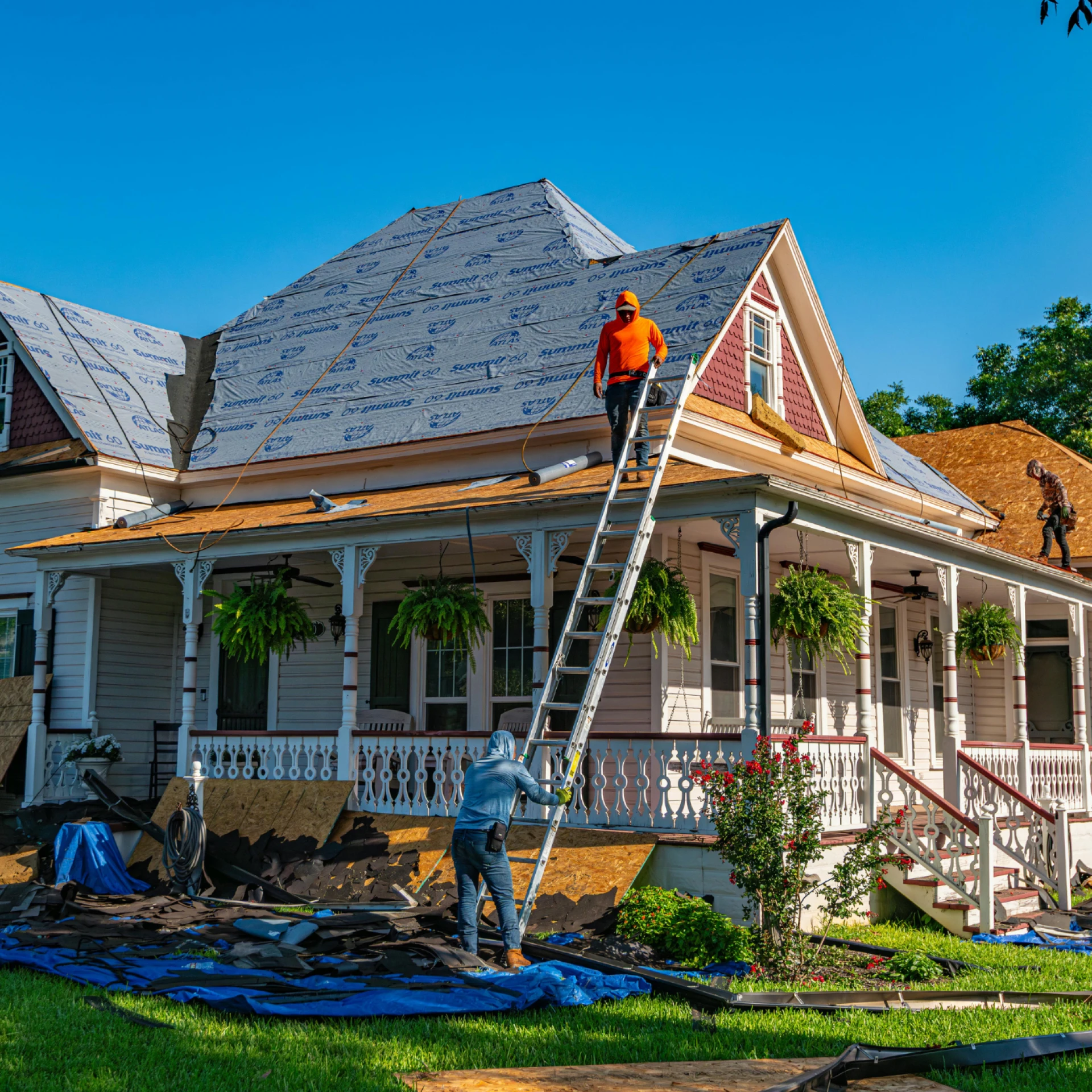
Old roofing is carefully removed. Installation follows manufacturer specifications, including:
- Underlayment
- Flashing
- Drip edges
- Fasteners
- Ventilation components
Proper installation ensures your roof performs as intended.
5. Cleanup and Final Inspection
Post‑installation cleanup involves:
- Debris removal
- Nail sweeping
- Final quality inspection
A reputable contractor will also provide documentation and warranty details.
Cost Factors in Roof Replacement
Roof replacement cost varies widely based on:
- Roof Size and Pitch: Steeper roofs cost more due to safety and labor.
- Material Choice: Premium materials increase upfront cost but may reduce lifecycle costs.
- Structural Repairs: Undetected damage may require additional framing or decking work.
- Permitting and Disposal: Local regulations affect pricing.
A trustworthy contractor provides a detailed cost breakdown so property owners understand where every dollar is spent.
Warranties and Guarantees
Roof replacement warranties fall into two main categories:
Manufacturer Warranties
Cover material defects for a defined period (e.g., 20–50 years). Coverage varies by product grade.
Workmanship Warranties
Offered by the roofing contractor, these protect against installation errors.
A reliable roof replacement provider combines strong material warranties with workmanship guarantees to ensure long‑term peace of mind.
Safety, Codes, and Regulations
Roof replacement involves inherent risks. Certified professionals follow safety protocols, including:
- Fall protection systems
- Proper ladder and scaffold use
- Weather monitoring
- OSHA compliance
Contractors must also secure permits and adhere to local building codes. Non‑compliance can lead to fines and future insurance issues.
Energy Efficiency and Roof Replacement
A new roof can significantly impact energy performance:
- Cool Roof Materials: Reflective surfaces reduce heat absorption.
- Insulation Upgrades: Improve thermal performance.
- Ventilation Systems: Regulate attic temperature and humidity.
Energy‑efficient roofing not only reduces utility bills but can qualify for tax incentives or rebates in some regions.
Environmental Considerations
Roofing choices increasingly incorporate sustainability:
- Recycled Asphalt Shingles: Reduce landfill waste.
- Metal Roofing: Often made from recycled content and fully recyclable.
- Solar‑Ready Roofs: Designed to integrate solar panels seamlessly.
Eco‑friendly options benefit the environment and often enhance property value.
Working with Reliable Roofing Professionals
Selecting a roofing contractor is one of the most important decisions you’ll make in this process. Look for:
Credentials and Certifications
- Manufacturer certifications (e.g., CertainTeed, GAF)
- Professional associations (NRCA, local roofing councils)
Experience and Track Record
Seasoned roofers bring:
- Efficient workmanship
- Accurate timelines
- Problem‑solving expertise
Clear Communication
From initial estimate to final inspection, clear and honest communication builds trust.
Insurance and Licensing
Confirm the contractor has:
- Liability insurance
- Workers’ compensation
- Relevant local licensing
This protects you from liability and ensures professional accountability.
Common Roof Replacement Mistakes to Avoid
Even experienced property owners can make costly errors:
- Choosing lowest bid without verifying credentials
- Skipping inspection of roof decking or insulation
- Ignoring ventilation needs
- Failing to check local building codes
Avoiding these mistakes requires due diligence and partnering with a professional roofing team.
Questions to Ask Your Roofing Contractor
Before signing a contract, ask:
- What materials do you recommend and why?
- Do you provide a written estimate?
- How long will the project take?
- What safety measures are in place?
- Can you provide references and past project photos?
- What warranties are included?
A reputable contractor welcomes these questions and provides clear answers.
Financing Roof Replacement
Roof replacement costs can be significant. Common financing options include:
- Home Equity Loans or Lines of Credit
- Personal Loans
- Manufacturer or Contractor Financing Plans
- Insurance Claims (for storm or hail damage)
Careful budgeting ensures you get a strong roof without unnecessary financial strain.
Maintenance After Roof Replacement
Even a new roof benefits from care:
- Annual inspections
- Gutter cleaning
- Attic ventilation checks
- Prompt repair of minor issues
Regular maintenance extends roof life and protects your investment.
Case Studies: Real‑World Roof Replacement Success
Residential Example
A 20‑year‑old home with curling shingles, attic leaks, and high energy bills underwent replacement with architectural asphalt shingles and upgraded ventilation. Result: improved thermal comfort and extended roof life.
Commercial Example
A retail facility with a failing low‑slope roof transitioned to a TPO membrane system with enhanced insulation. Result: reduced cooling costs and elimination of frequent leak repairs.
These case studies underscore how appropriate material selection and professional installation make a measurable difference.
Conclusion: Your Roof Replacement Decision
Reliable roof replacement is more than a construction project — it’s a strategic investment in safety, efficiency, and value. From understanding when to replace your roof to selecting the right materials and partnering with a trustworthy contractor, every step influences the outcome.
Whether you own a home or operate a business, prioritizing professional roof replacement you can trust ensures peace of mind and long‑term protection. With careful planning, clear communication, and expert execution, your new roof can stand strong against weather, time, and life’s uncertainties.