A roof might be out of sight, but it shouldn’t be out of mind. From sudden storms to gradual wear and tear, roofs face constant stress. At Faver Roofing LLC, we’ve seen firsthand how timely roof maintenance and repair can prevent minor issues from becoming major headaches. In this article, we’ll explore practical tips, preventive strategies, and professional insights on roof leak repair, helping homeowners safeguard their investment and peace of mind.
Recognizing the Signs of a Roof Leak
Subtle Indicators to Watch For
Not every leak announces itself dramatically. Tiny water stains on ceilings, musty odors, or even sagging insulation can signal moisture intrusion. We’ve found that homeowners often ignore these minor hints until damage escalates. Early recognition is crucial; addressing problems in their infancy prevents structural deterioration, mold growth, and costly repairs. Paying attention to small details, combined with periodic inspections, is a simple way to protect your home and avoid emergencies.
The Role of Seasonal Checks
Weather changes often reveal hidden issues. Heavy rains, ice, or intense sun can worsen small vulnerabilities. Regular seasonal inspections help identify weak spots in shingles, flashing, and gutters before they turn into major leaks. At Faver Roofing LLC, we recommend checking roofs after storms and seasonal transitions, ensuring that minor problems are caught early. Being proactive saves money and stress, and it keeps your roof performing efficiently through every change in climate.
Understanding Common Causes of Roof Leaks
Aging Roof Materials
Over time, roofing materials naturally degrade. Shingles may crack, tiles may loosen, and underlayment can fail. These weaknesses increase susceptibility to leaks, especially during storms. We’ve seen older roofs that still look fine from the street but hide significant vulnerabilities. Understanding material lifespan helps homeowners plan maintenance and repairs proactively. Timely replacement or reinforcement of aging areas is key to avoiding unexpected leaks and costly structural damage.
Poor Installation or Repairs
Even a new roof can develop leaks if installed improperly. Incorrect flashing, poorly sealed seams, or substandard workmanship are frequent culprits. In our experience, choosing experienced, licensed contractors ensures installation meets manufacturer and safety standards. Proper installation, combined with routine inspections, minimizes future repairs. Homeowners who cut corners during installation often face repeated roof problems, emphasizing the importance of quality work from the start.
Immediate Steps for Roof Leak Repair
Temporary Measures Before Professional Help
When a leak appears, quick action can prevent extensive damage. Using tarps, buckets, or temporary sealants can protect interiors from water while you schedule professional repair. We’ve assisted homeowners who contained leaks effectively with temporary solutions, limiting drywall or flooring damage. While these fixes aren’t permanent, they give you critical time to coordinate a proper repair and minimize disruption to your home and family life.
Scheduling Professional Intervention
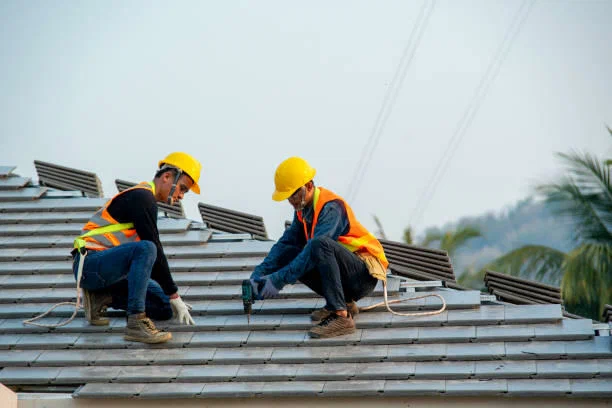
A licensed roofing expert can accurately diagnose the source of the leak and implement long-lasting solutions. DIY fixes often overlook hidden damage, which can worsen over time. At Faver Roofing LLC, we assess the roof’s structure, pinpoint vulnerabilities, and perform repairs that adhere to high safety and quality standards. Prompt professional attention ensures peace of mind and avoids escalating repair costs, protecting both your property and your budget.
Selecting the Right Roofing Materials
Matching Materials to Roof Type
Different roofs require specific repair materials. Asphalt shingles, metal panels, and tile roofs each have unique vulnerabilities and repair techniques. Using the correct products ensures durability and proper water resistance. We’ve encountered cases where incompatible materials led to repeated leaks. Consulting with experienced professionals helps identify the best match, ensuring that repairs last and perform as intended under various weather conditions.
Considering Longevity and Performance
Durability is more than a marketing term—it determines how long your repairs will hold up. Quality materials, paired with proper installation, extend roof life significantly. We’ve observed that investing slightly more upfront often avoids frequent patchwork repairs later. Materials that resist UV exposure, extreme temperatures, and moisture provide tangible benefits, keeping roofs functional and protecting interior spaces without constant intervention.
Preventive Maintenance Strategies
Routine Inspections and Cleaning
Debris, moss, and clogged gutters contribute to leaks over time. Regular maintenance—clearing leaves, inspecting flashing, and checking for granule loss—reduces the risk of water intrusion. Homeowners who adopt consistent cleaning routines often enjoy roofs that outperform their expected lifespan. At Faver Roofing LLC, we emphasize simple, repeatable maintenance habits that prevent small problems from escalating into structural failures or costly repairs.
Proactive Sealing and Coatings
Protective sealants and coatings enhance weather resistance and reduce leak potential. Elastomeric coatings, waterproof membranes, and flashing reinforcement create barriers against moisture. We’ve applied coatings to both residential and commercial roofs with excellent results, extending longevity and improving energy efficiency. These measures are particularly effective for older roofs, offering a practical, preventive solution that complements traditional inspections and repair strategies.
Addressing Interior Damage
Drying and Mold Prevention
Once a leak occurs, interior damage can become a serious issue. Wet insulation, drywall, and wooden structures can develop mold within days. Immediate drying and ventilation are critical. We’ve observed that rapid response prevents health hazards and costly reconstruction. Using fans, dehumidifiers, and professional drying techniques ensures that interiors remain safe and structurally sound while repairs are underway.
Repairing Water-Damaged Areas
Beyond stopping the leak, replacing or repairing damaged ceilings, floors, and walls restores home integrity. Even minor water exposure can cause rot or compromise finishes. Proper repair techniques, including treating wood, replacing saturated materials, and repainting affected areas, are essential. Addressing both the roof and interior simultaneously ensures a complete restoration, leaving the home safe, functional, and aesthetically restored.
Cost Considerations for Roof Leak Repair
Understanding Repair vs. Replacement
Sometimes, repeated leaks signal deeper structural issues. While patching may be cheaper short-term, replacement can be more cost-effective over time. We’ve advised clients to weigh the frequency of repairs, roof age, and material lifespan before deciding. A strategic approach helps avoid continuous expenses and ensures that money spent today contributes to long-term protection, not just temporary fixes.
Budgeting for Unexpected Damage
Leaks often come with hidden costs, such as insulation replacement or electrical repairs. Preparing a contingency fund for roof emergencies helps reduce financial stress. Homeowners who anticipate potential expenses can act quickly, minimizing damage and disruption. At Faver Roofing LLC, we guide clients on realistic budgeting, helping them plan for both immediate repairs and long-term maintenance, ensuring smoother management of roofing projects.
DIY Considerations vs. Professional Repairs
When Homeowners Can Intervene
Simple gutter cleaning, minor caulking, or temporary tarping are feasible DIY tasks. We’ve seen homeowners successfully manage these limited interventions safely. However, climbing onto a roof or attempting structural repairs carries significant risk. Knowing the boundary between manageable tasks and professional work prevents accidents and ensures that repairs remain effective. Safety and skill level should always dictate DIY involvement in roof maintenance.
The Value of Expert Knowledge
Experienced roofers bring technical expertise, specialized tools, and knowledge of materials. Many leaks have hidden causes, such as underlayment failures or flashing issues, that DIY approaches often miss. Faver Roofing LLC emphasizes professional evaluation to pinpoint problems accurately and deliver long-lasting solutions. Skilled intervention reduces repeat issues, enhances safety, and preserves the value of your home, making professional service a wise investment.
Long Term Roof Care and Planning
Establishing a Maintenance Routine
Consistent care extends a roof’s lifespan and prevents costly repairs. Seasonal checks, minor sealing, and professional inspections create a proactive framework. We encourage homeowners to adopt a routine schedule that includes debris removal, inspection of vulnerable areas, and early treatment of minor cracks. Such habits dramatically reduce leak potential and prolong roof performance, safeguarding your investment year after year.
Planning Future Upgrades
Roofing materials, protective coatings, and insulation options evolve over time. Planning upgrades strategically ensures long-term performance and energy efficiency. We’ve guided clients in phased approaches, combining repairs with preventive enhancements, resulting in more durable and cost-effective roofs. Budgeting for future improvements allows homeowners to maintain optimal protection without sudden, disruptive overhauls, keeping both property value and peace of mind intact.
FAQs
How quickly should I address a roof leak?
Roof leaks should be addressed immediately. Delays increase the risk of structural damage, mold growth, and interior deterioration. Temporary measures can mitigate damage, but professional evaluation ensures the source is repaired correctly and prevents recurring leaks. Prompt action preserves both home integrity and safety.
Can minor leaks cause major damage?
Yes. Even small leaks can lead to rotting wood, compromised insulation, mold, and electrical hazards over time. Early detection and repair prevent extensive damage. Regular inspections and prompt roof leak repair reduce long-term costs and preserve structural integrity.
Are roof leak repairs covered by insurance?
Coverage depends on the policy and cause of damage. Sudden, accidental leaks are often covered, while gradual wear may not be. It’s important to review your homeowner’s insurance policy and document repairs thoroughly to ensure potential claims are processed smoothly.
How long do roof repairs typically last?
The lifespan of a repair depends on material quality, roof age, and workmanship. Properly executed repairs on well-maintained roofs can last several years, while temporary fixes or poor-quality materials may fail quickly. Choosing experienced professionals ensures longevity.
Can preventive maintenance reduce leak risks?
Absolutely. Regular inspections, cleaning, sealing, and protective coatings minimize vulnerabilities. Preventive care addresses small issues before they escalate, reducing emergency repairs and extending roof life. Homeowners who adopt proactive maintenance experience fewer leaks and lower overall costs.